
Finland’s emergencyscramble of fighter jets and the temporary shutdown of Helsinki’s airport underscore a heightened security sensitivity that reverberates through sovereign capital markets, where risk premiums on government bonds and equities are already elevated by the broader Russian‑Ukrainian conflict. Institutional investors are likely to reassess exposure to Nordics and adjacent economies, potentially pulling back from sovereign and corporate issuances until the threat perception stabilises, thereby tightening liquidity conditions for both public and private sector financing across the region.
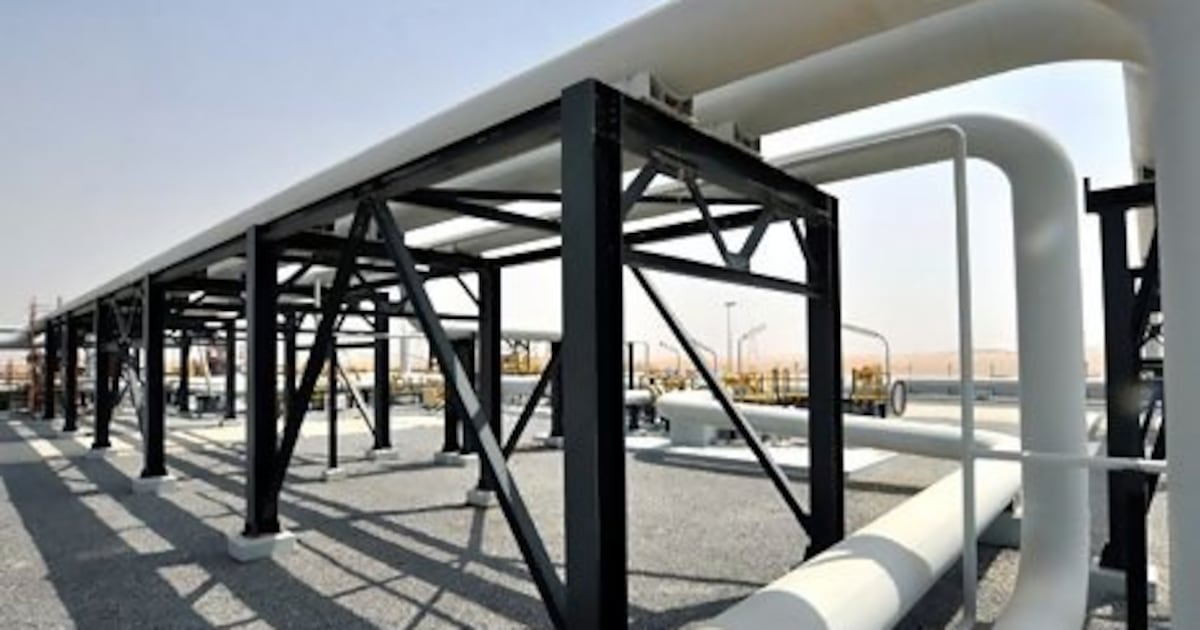
The episode highlights the fragility of critical infrastructure to low‑cost aerial threats, prompting a re‑evaluation of defense and resilience spending by national sovereign wealth funds. In the Middle East and North Africa, where large‑scale energy, transport, and logistics projects are underpinning economic diversification agendas, the perceived need for robust air‑defence and redundant infrastructure assets may accelerate the allocation of sovereign capital toward hardened facilities, cyber‑secure command‑and‑control networks, and associated procurement contracts.
Venture capital flows into the MENA ecosystem are expected to pivot toward defence‑technology and counter‑drone solutions, a sector that has seen accelerated private‑equity interest in recent years. Sovereign‑backed VC funds, notably from Gulf states, may allocate larger pools of capital to start‑ups developing autonomous detection systems, electronic warfare platforms, and resilient logistics networks, thereby reshaping the region’s innovation pipeline and reinforcing strategic autonomy amid escalating geopolitical volatility.
Collectively, these dynamics suggest that persistent spillover from the Ukraine war could strain sovereign fiscal balances and dampen foreign direct investment, compelling governments and state‑owned enterprises to adopt a more cautious, risk‑adjusted approach to infrastructure financing. The resulting prudence may slow project pipelines but also incentivise the integration of advanced, resilient technologies into the region’s long‑term development strategies.