
MENA Geopolitical Risk Intensifies: Lebanon’s Inclusion in Negotiations Presents Complex Sovereign and Financial Challenges
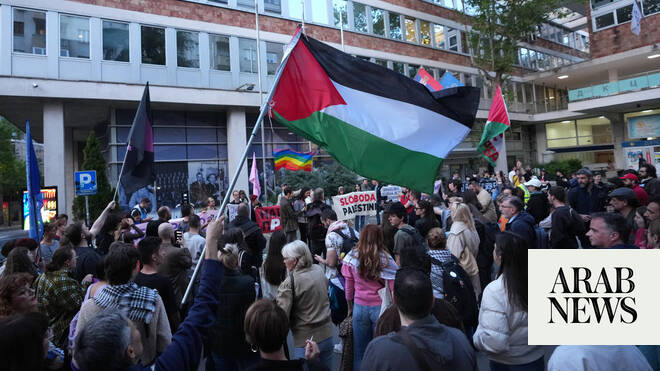
The escalating conflict between Israel and Iran, now extending its reach into Lebanon, is triggering a significant reassessment of regional stability and investment prospects across the Middle East and North Africa. While direct talks between Lebanon, the United States, and Israel are tentatively scheduled for next week, expectations remain muted, largely due to entrenched positions and a lack of demonstrable progress. This nascent diplomatic effort carries substantial implications for sovereign capital flows, venture capital investment, and the broader infrastructure development landscape within the region. Lebanon’s insistence on direct negotiations, despite the ongoing hostilities and a perceived lack of formal invitation, underscores the precariousness of the situation and highlights the potential for protracted instability.
The prospect of direct negotiations, however limited, introduces a layer of complexity for regional sovereign wealth funds and institutional investors. While the US-Iran ceasefire talks in Islamabad are a focal point, the potential for a Lebanese seat at the table – contingent on a cessation of hostilities – could unlock a degree of confidence previously absent. However, the current trajectory, characterized by Israeli expansion of strikes against Lebanon and continued Hezbollah provocations, significantly diminishes the likelihood of a swift or productive outcome. This uncertainty is already impacting investor sentiment, with a likely shift towards defensive positioning – prioritizing capital preservation over high-growth ventures. Venture capital activity, particularly in sectors reliant on regional stability – tourism, logistics, and technology – is expected to decelerate sharply, reflecting a heightened risk premium.
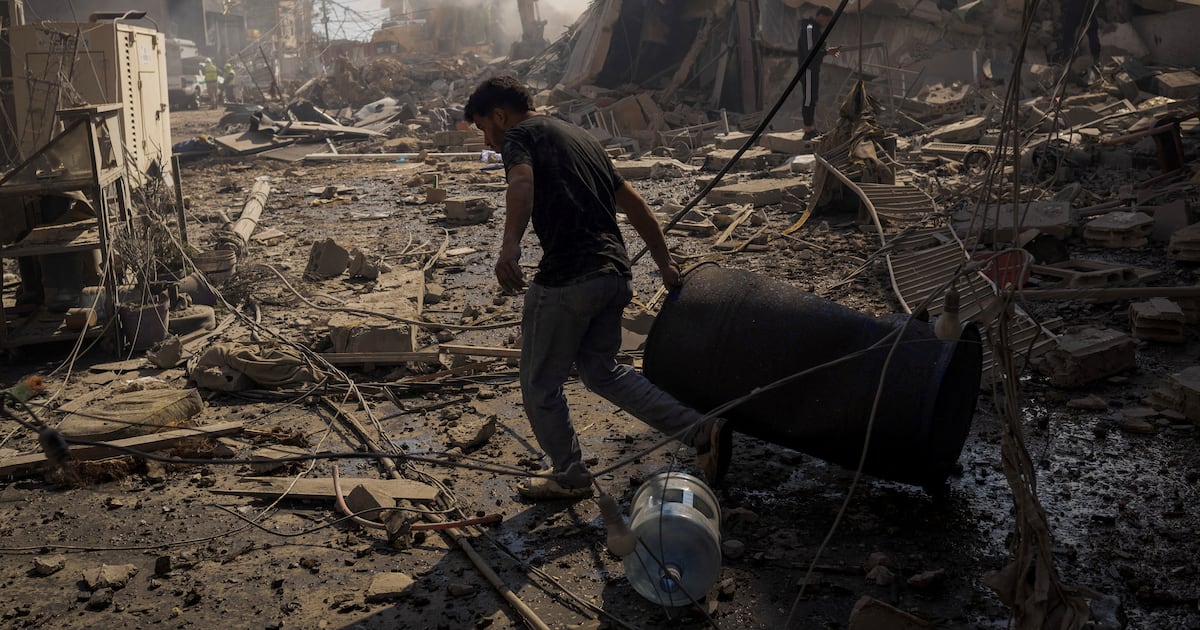
Furthermore, the conflict’s impact extends to critical infrastructure investments. Lebanon’s infrastructure, already severely strained by economic collapse, is facing immense pressure from ongoing military activity. The potential for further damage to ports, power grids, and transportation networks necessitates immediate and substantial investment, yet the current climate of instability makes securing financing exceedingly difficult. Simultaneously, the broader MENA region is bracing for potential disruptions to energy supply chains and increased geopolitical risk premiums, impacting projects reliant on cross-border infrastructure – particularly those involving Israel and Iran. The need for enhanced cybersecurity and resilience within regional digital infrastructure is also becoming increasingly apparent, presenting opportunities for specialized technology providers, but also demanding significant capital expenditure.
Ultimately, the success of any potential negotiations hinges on a demonstrable de-escalation and a commitment to a sustainable ceasefire. Iran’s continued pursuit of a 10-point peace plan, despite the ongoing conflict in Lebanon, suggests a strategic calculation aimed at securing regional influence. Lebanon’s determination to participate in the broader peace process, while understandable, risks exacerbating tensions and prolonging the conflict. The coming days will be critical in determining whether this tentative dialogue can translate into a tangible shift in the regional dynamic, or if the Middle East remains trapped in a cycle of escalating violence and economic uncertainty.