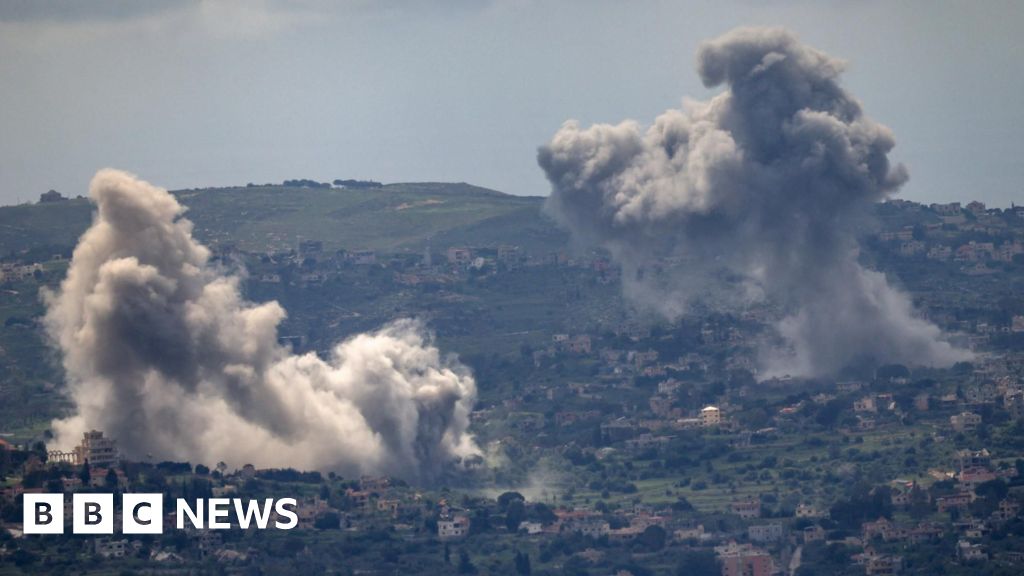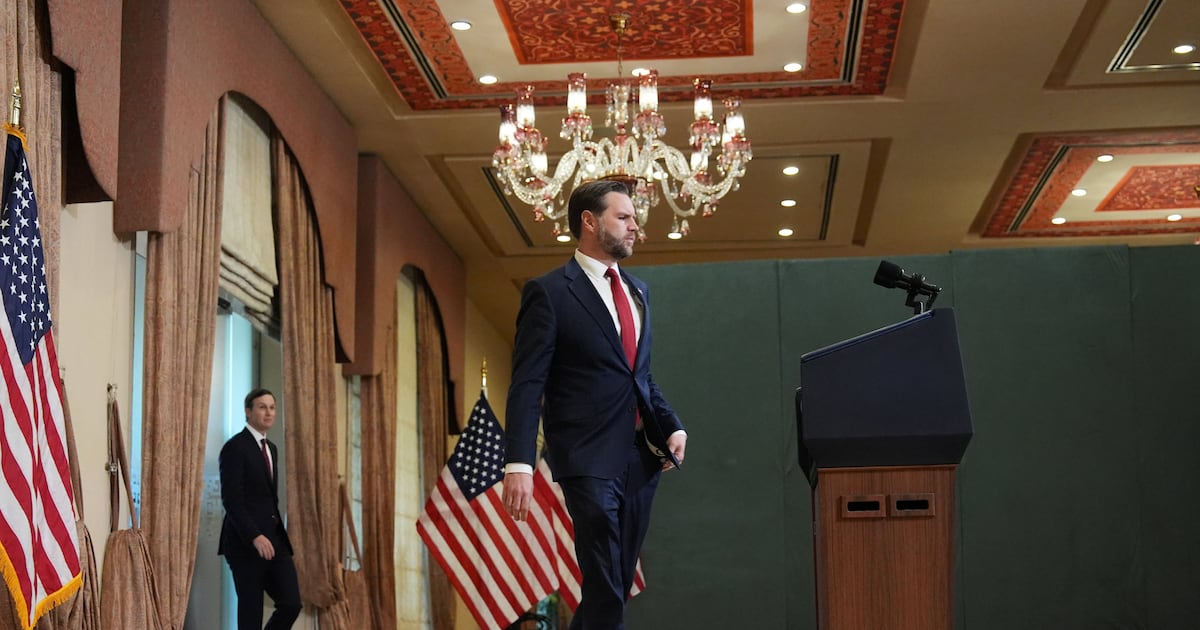

The collapse of high-stakes US-Iran talks in Islamabad exposes the fragility of Middle East diplomacy at a moment when regional power centers are recalibrating their geopolitical positions. With the current ceasefire set to expire on April 22, the breakdown underscores how quickly momentum can dissipate in negotiations involving nuclear ambitions, strait security, and sanctions relief.
For Gulf states and regional investors, the stalled talks carry immediate ramifications. The Strait of Hormuz, through which one-fifth of global oil flows, remains a flashpoint as Tehran seeks to leverage its control for economic and strategic gain. This volatility could accelerate sovereign capital allocation toward diversifying critical infrastructure beyond maritime chokepoints, particularly in Egypt’s Suez Canal corridor and Saudi Arabia’s Red Sea ports.
The failure also has significant venture capital implications across the region. Technology and logistics startups positioned around alternative trade routes may see accelerated funding as sovereign wealth funds reassess corridor dependencies. Meanwhile, defence and cybersecurity sectors could benefit from heightened border protection investments, particularly in the UAE and Saudi Arabia, as tensions between Washington and Tehran open space for indigenous military-industrial development.
With no immediate follow-up talks scheduled, regional infrastructure projects that assume stable Gulf shipping lanes face renewed scrutiny. This diplomatic impasse reinforces the need for Middle Eastern investors to hedge against geopolitical tail risks, with increasing attention shifting toward continental connectivity through rail and pipeline networks that bypass traditional maritime dependencies.