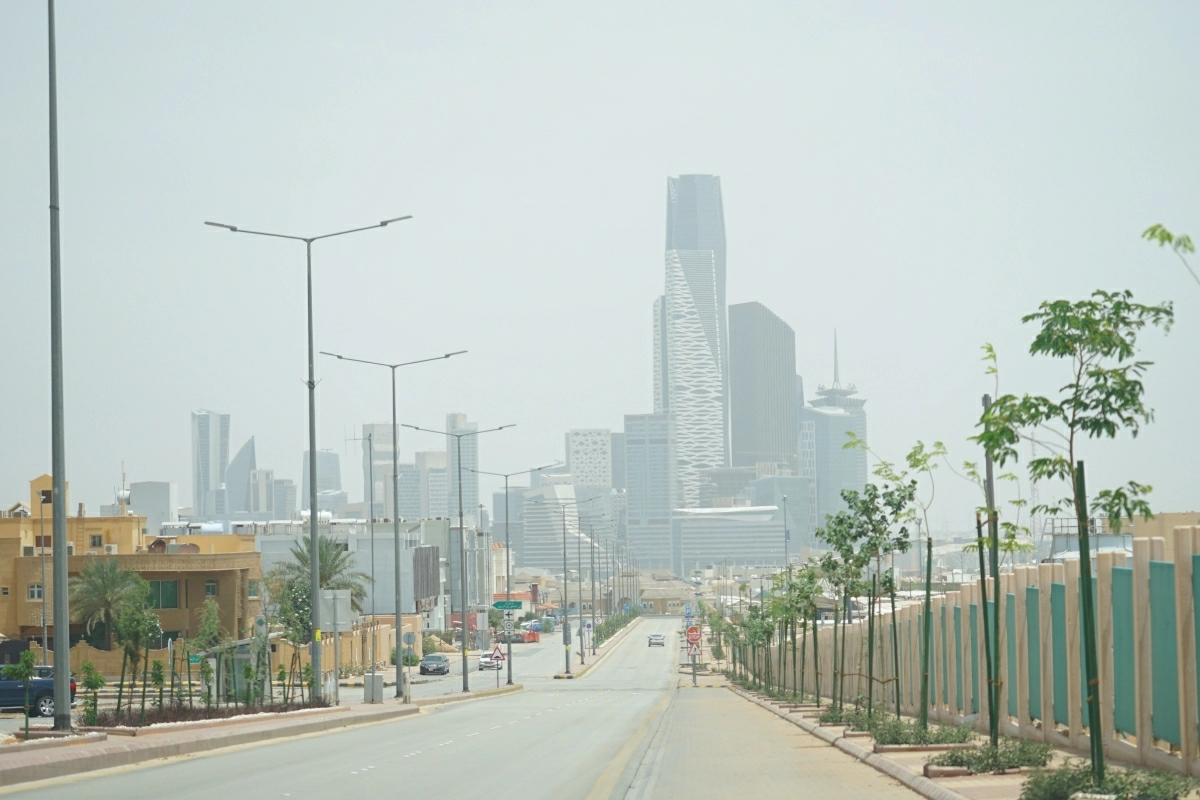

RIYADH — Saudi Vision 2030 enters its decisive final phase in 2026 with sovereign capital deployment at unprecedented scale and private sector participation reaching critical mass. The Kingdom’s Public Investment Fund, with assets exceeding $900 billion, transitions from accumulation to full deployment mode, signaling a tectonic shift in how Gulf sovereign wealth will shape regional capital markets and infrastructure development across the Middle East and North Africa.
The economic architecture underpinning Phase 3 reveals a sophisticated diversification strategy nearing maturity. Non-oil sectors now contribute 55% of GDP, while private enterprise accounts for 51% of economic output—metrics that institutional investors interpret as structural transformation rather than cyclical adjustment. The convergence of sovereign capital deployment, domestic capital market deepening, and regulatory modernization positions Saudi Arabia to capture disproportionate flows of global venture and growth capital. The Kingdom’s giga-project pipeline, spanning NEOM to the Red Sea development, creates compounding investment opportunities that extend well beyond national borders into Jordan, Egypt, and the wider Gulf Cooperation Council ecosystem.
From a regional infrastructure perspective, Phase 3 carries profound implications for MENA capital formation. Saudi Arabia’s logistics, tourism, and digital connectivity investments function as anchor infrastructure for continental trade flows, while the Kingdom’s development financing institutions increasingly operate as de facto regional development banks. The tourism sector’s trajectory—surpassing 123 million visitors in 2025 with a 150 million target by 2030—demonstrates capacity to redirect global travel capital into the region at scale. Technology and financial services expansion, coupled with mining and manufacturing development, suggest Saudi Arabia is constructing the industrial base necessary to absorb sovereign wealth generation beyond hydrocarbon dependence.
The strategic calculus extends beyond 2030. Phase 3 explicitly positions completion as foundation-laying for subsequent decades, indicating Riyadh’s recognition that sovereign wealth sustainability requires multi-generational planning horizons. For regional sovereign funds, family offices, and institutional investors, the Phase 3 architecture offers increasingly sophisticated entry points into a diversifying economy that is rapidly institutionalizing its capital markets and regulatory frameworks. The Kingdom’s human capital investment—education, skills development, and workforce competitiveness—ultimately determines whether this capital deployment translates into sustainable regional economic leadership.