
The collapse of US-Iran diplomatic engagement, punctuated by Washington’s cancellation of envoy visits to Islamabad and Tehran’s escalation of the Strait of Hormuz blockade, is delivering acute, asymmetric shocks to MENA sovereign balance sheets, regional infrastructure pipelines, and venture capital allocation patterns. With 21% of global crude oil, 30% of seaborne LNG,and 20% of global fertilizer exports transiting the waterway, Iran’s targeted disruption of energy and agricultural commodity flows has driven near-term price volatility that is already altering fiscal planning for GCC sovereign wealth funds, which manage $3.2 trillion in combined assets. The US counter-blockade of Iranian ports has further fractured regional trade networks, raising logistics costs for non-oil diversification projects across Saudi Arabia, the UAE, and Egypt, where sovereign-backed infrastructure spend accounts for 18% of regional GDP growth this year.
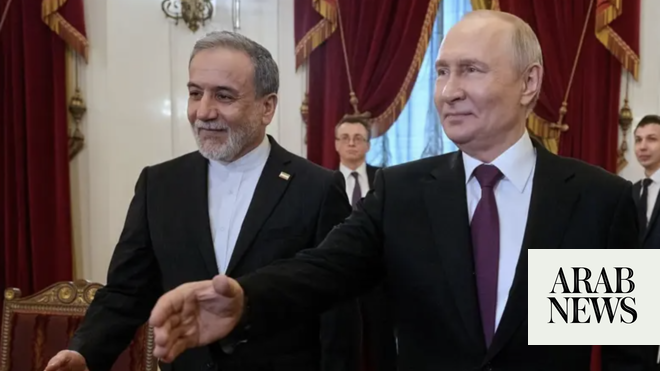
Moscow’s explicit commitment to Tehran’s “strategic interests” under President Vladimir Putin, paired with back-channel Iranian proposals to reopen Hormuz in exchange for halting nuclear negotiations, is accelerating a recalibration of sovereign capital away from Iran-adjacent markets toward neutral GCC hubs. Oman, which hosted Foreign Minister Abbas Araghchi ahead of his St. Petersburg visit, is emerging as a preferred transit alternative for regional trade, with Abu Dhabi’s Mubadala and Saudi Arabia’s Public Investment Fund (PIF) already earmarking $4.7 billion for port and logistics upgrades in Duqm and Salalah to bypass Hormuz-linked risk. This shift is also reshaping MENA venture capital flows: early-stage funding for Iranian startups has collapsed to $12 million year-to-date, down 94% from 2023, as regional VCs reallocate capital to UAE and Saudi fintech, logistics tech, and agtech startups that are building resilience against supply chain disruptions. Russian backing for Tehran has further deterred Western limited partners from committing to MENA-focused funds with Iran exposure, forcing regional general partners to tighten geographic mandates.
Tehran’s proposed legislation to place the Islamic Revolutionary Guard Corps in charge of Strait of Hormuz financial flows, with all transit revenues to be denominated in Iranian rial, has cemented long-term risk premiums for any foreign investment in Iranian infrastructure or tech sectors, even in the event of a near-term diplomatic off-ramp. For GCC sovereigns, the volatility has accelerated $112 billion in planned spend on strategic petroleum reserves, domestic fertilizer production, and alternative trade corridors including the India-Middle East-Europe Economic Corridor (IMEC), which is designed to reduce reliance on Hormuz for European and Asian export routes. US domestic pressure ahead of November midterms, with polling showing 62% of American voters oppose the war, may force Washington to accept Iran’s proposal to decouple Hormuz reopening from nuclear talks, a development that would ease short-term energy price pressures but leave long-term sanctions frameworks intact, limiting any meaningful inflow of foreign capital to Iran’s moribund startup ecosystem. Regional tech infrastructure, including data centers and cloud computing hubs that account for $28 billion in planned VC-backed investment through 2027, remains exposed to higher energy input costs from Hormuz disruptions, though sovereign subsidies for green energy are partially offsetting margin compression for regional tech operators.