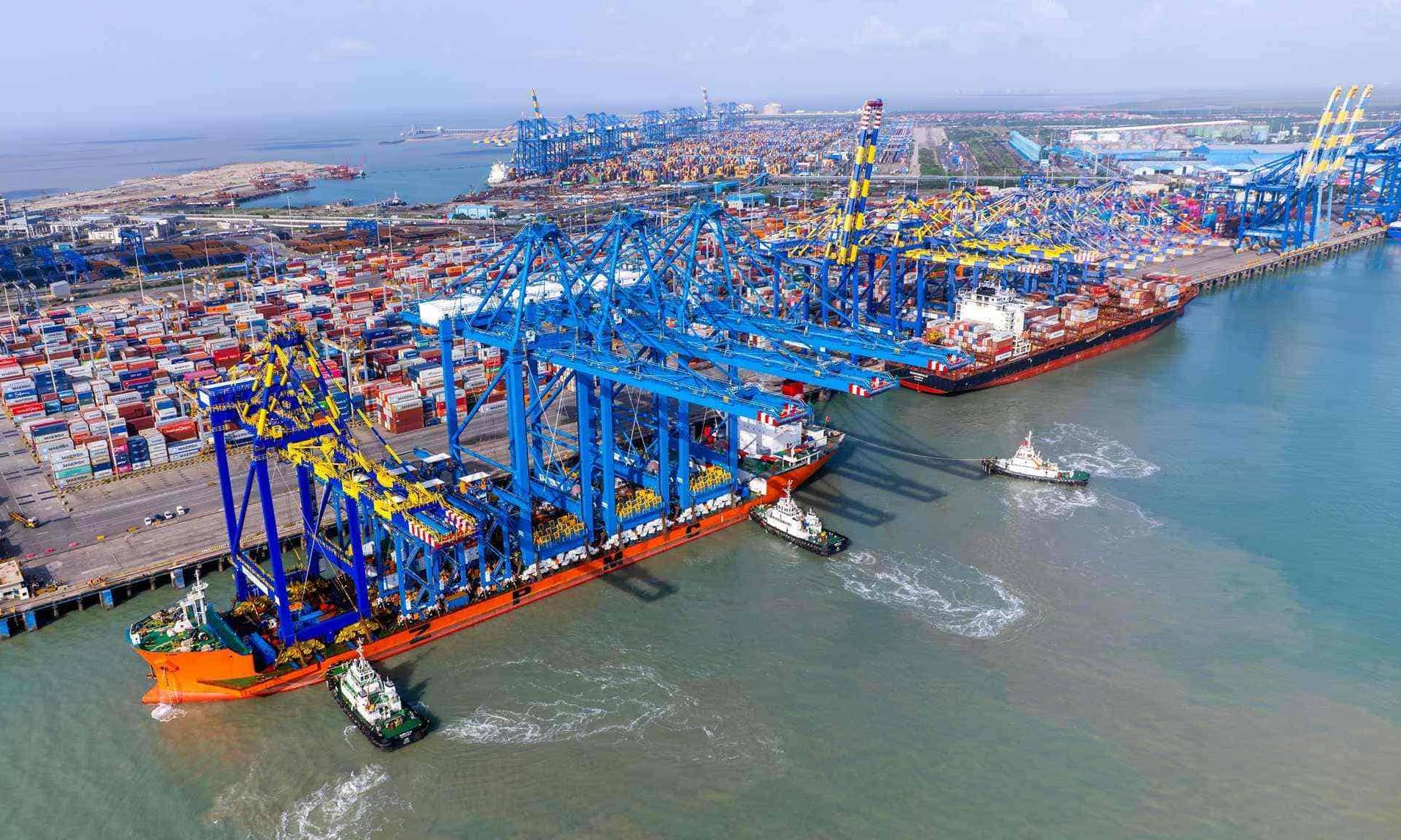
TheContrecoeur container terminal at the Port of Montreal entered active construction, marking a pivotal stage in DP World’s expansion of its Canadian network. The project, slated for commissioning in 2030, will deliver an additional 1.15 million TEUs of annual capacity, boosting the port’s handling capability by roughly 60 percent and reinforcing Canada’s trade diversification strategy across Eastern markets.
Strategically, the terminal is anchored in a joint development agreement between DP World and the Montreal Port Authority, reflecting a capital‑intensive partnership model that blends private sector expertise with sovereign oversight. The allocation of substantial infrastructure funding underscores how sovereign wealth entities can replicate such ventures to accelerate logistics modernization, a template that resonates with financing mechanisms emerging across the Middle East and North Africa.
From a venture capital perspective, DP World’s deployment of advanced automation, sustainability‑focused design, and integrated rail connections exemplifies the convergence of technology and logistics investment. This convergence creates fertile ground for VC‑backed logistics startups in the MENA region, enabling scalable solutions that align with regional ambitions to upgrade port infrastructure and digitize supply chains.
Regionally, the Contrecoeur milestone illustrates how mega‑scale port projects can catalyze broader trade corridor development, attracting private capital and sovereign funding to enhance connectivity between North America, Europe, and emerging markets in the Gulf and Maghreb. By showcasing a replicable framework for public‑private collaboration, the terminal sets a benchmark for infrastructure financing that can be adapted to accelerate regional integration and trade resilience throughout the MENA bloc.