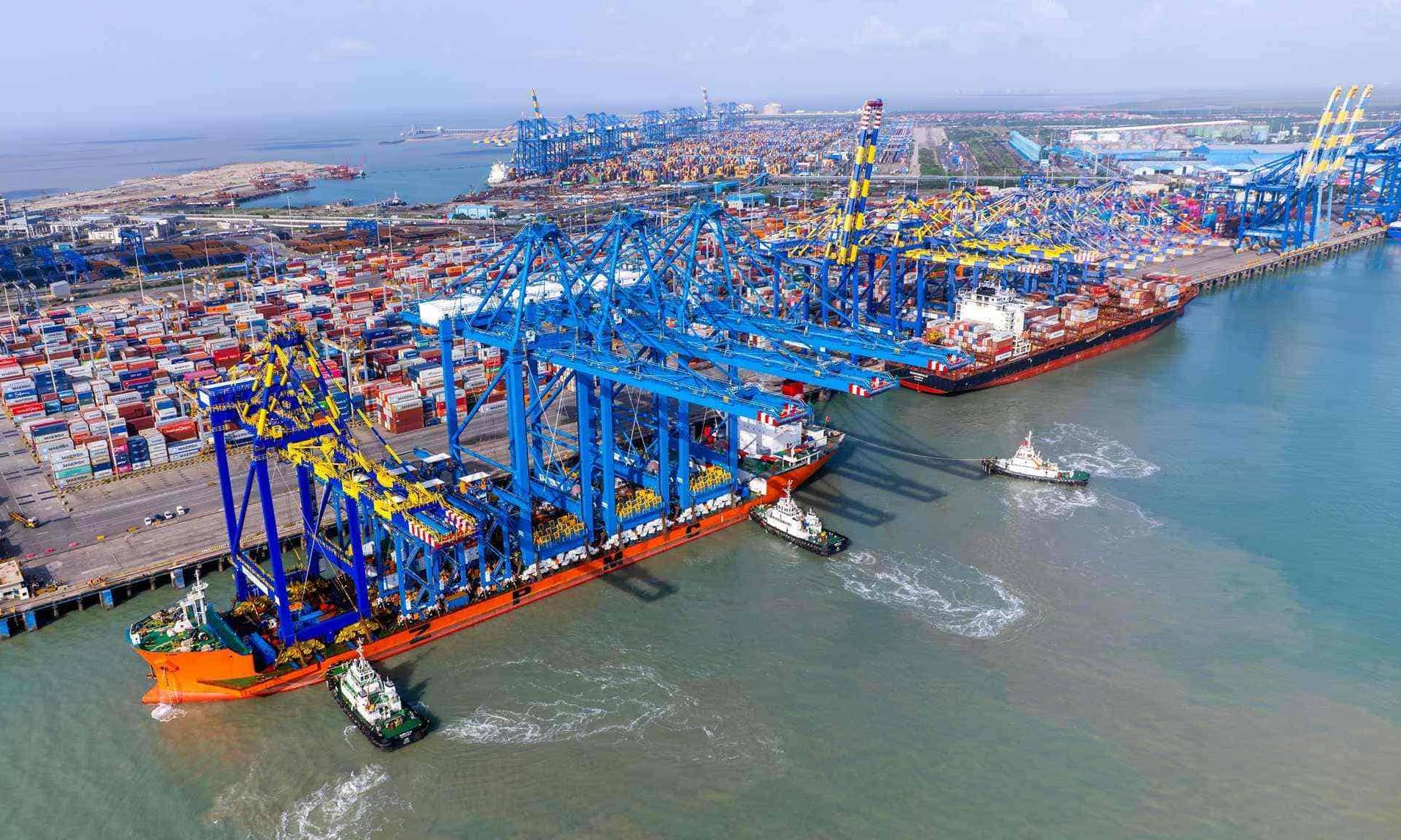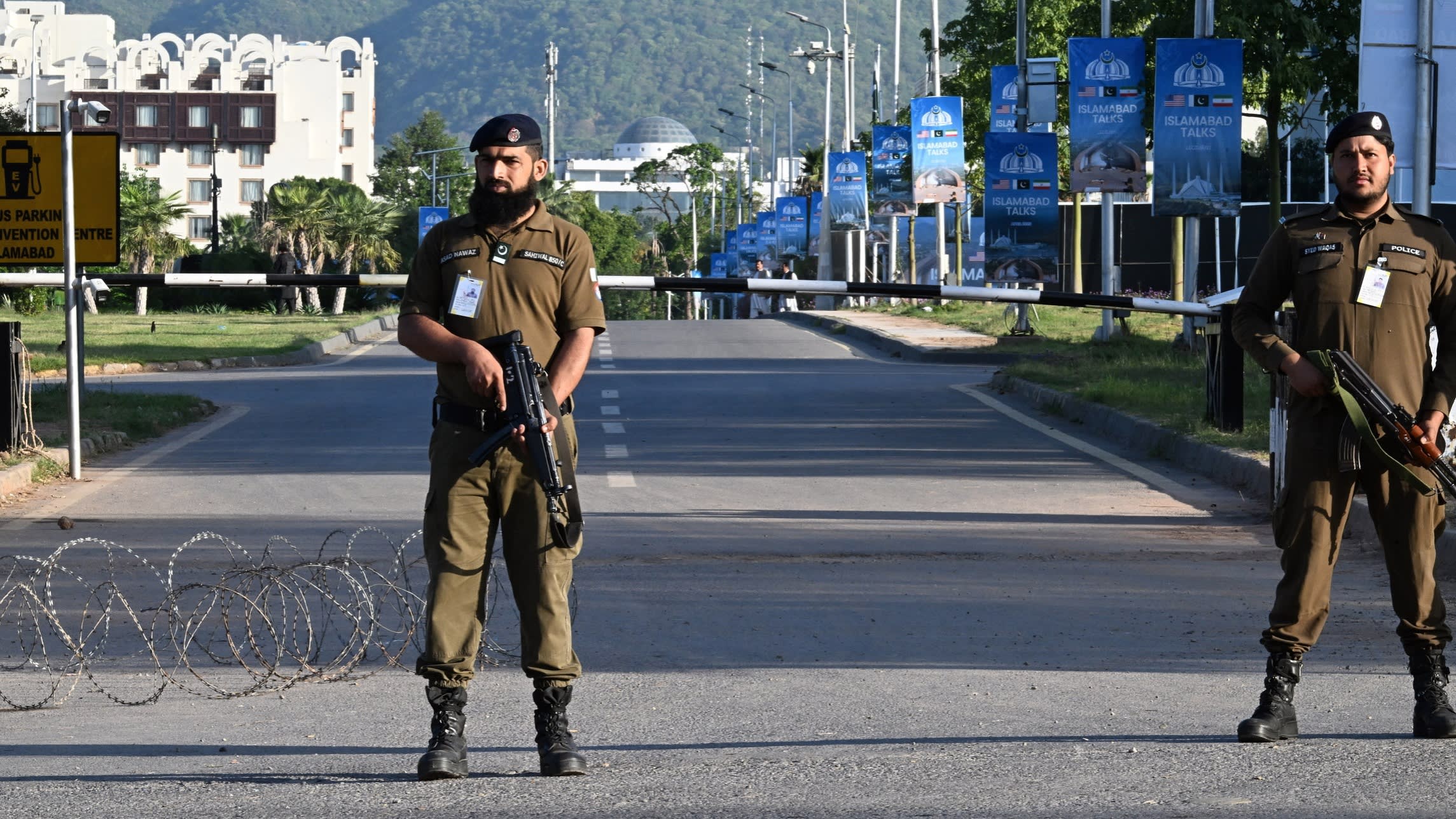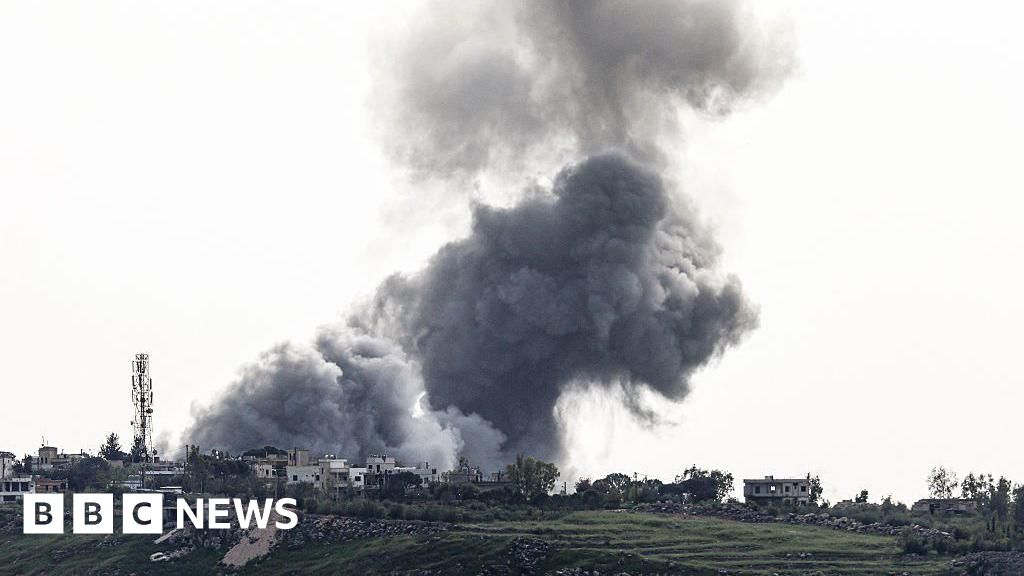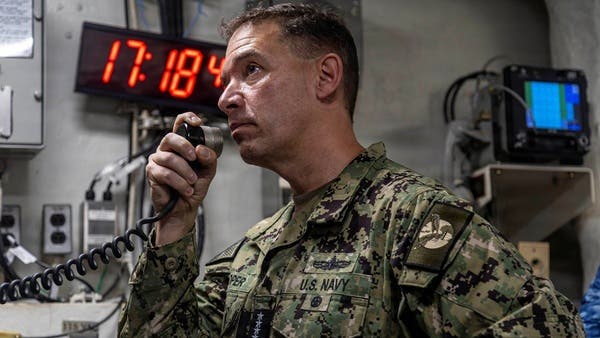

The US-mandated blockade of Iranian ports represents a fundamental recalibration of risk in the MENA energy and logistics sector, with profound implications for sovereign capital allocation across the Gulf Cooperation Council (GCC). Regional sovereign wealth funds (SWFs), managing assets exceeding $3.5 trillion, will face immediate portfolio pressure, particularly in energy-linked equities and logistics infrastructure. Major institutional investors are already signaling strategic shifts, with potential divestment from exposed shipping companies and accelerated deployment of capital toward regional alternatives like Saudi Aramco’s downstream ventures or UAE-based transshipment hubs. This geopolitical fragmentation also necessitates reassessment of regional infrastructure investment strategies, as SWFs pivot toward enhancing domestic port capabilities and fostering intra-GCC supply chain resilience amid heightened strait vulnerability.
The blockade’s operational footprint extends beyond energy markets, critically testing MENA’s nascent digital infrastructure and logistics technology ecosystems. Strait of Hormuz disruption – accounting for 20% of global crude exports – will amplify demand for integrated supply chain solutions, positioning regional tech hubs like Saudi NEOM and Dubai’s Digital Authority as beneficiaries of accelerated privatization and venture funding. However, prolonged volatility threatens to curtail private equity inflows into non-core logistics segments, forcing portfolio rebalancing toward sovereign-backed projects in ware automation and alternative transport corridors. This bifurcation underscores a strategic imperative: digital infrastructure integration as the cornerstone of geopolitical-proof economic diversification.
For MENA’s venture capital landscape, the blockade catalyzes a deep-seated pivot toward defensive and strategic tech sectors. Early-stage investment in maritime AI, cybersecurity for critical infrastructure, and resilient energy tech platforms will surge, leveraging regional sovereign catalytic capital via vehicles like Abu Dhabi’s Ghadan Ventures or Egypt’s SCTVC. Simultaneously, the crisis validates regional autonomy narratives, accelerating deployment of SWF capital into strategic industrial tech startups focused on energy efficiency, autonomous transport, and domestic food security tech. This realignment, while short-term disruptive, fundamentally positions MENA as a testbed for sovereign-capital-backed innovation in infrastructure resilience, potentially establishing new benchmarks for VC- sovereign co-investment in high-stakes geoeconomic environments.