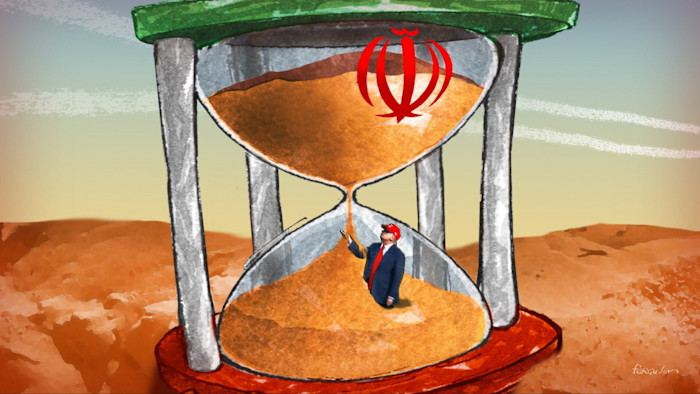

The escalation of tensions in the Gulf has entered a phase that threatens to fundamentally reconfigure the risk calculus for sovereign capital deployments across the MENA region. The effective closure of the Strait of Hormuz—through which approximately 20 per cent of global oil supplies transits—represents not merely a supply shock but a systemic challenge to the investment thesis underlying trillions of dollars in sovereign wealth fund assets. Saudi Arabia, the UAE, and Qatar now face the unprecedented prospect of infrastructure targeting that extends beyond traditional energy facilities to encompass the desalination networks upon which their entire economic existence depends. The recent Iranian threats to retaliate against Gulf desalination plants represent a direct existential challenge to two of the region’s largest economies, forcing a fundamental reassessment of asset valuations and defensive infrastructure spending requirements.
The business implications extend far beyond immediate energy markets into the digital and technology sectors that have formed the backbone of regional diversification strategies. Qatar’s dominance in helium production—critical for semiconductor manufacturing globally—positions the Gulf states as indispensable nodes in the global technology supply chain, creating both leverage and vulnerability. Regional venture capital portfolios, particularly those heavily weighted toward logistics, transportation, and tourism sectors, face immediate write-down pressures as supply chain disruptions cascade through the economy. The projected contraction of more than one percentage point in developing Asian growth, as forecast by the Asian Development Bank, will reverberate through Gulf sovereign wealth fund portfolios heavily exposed to Asian markets, potentially triggering significant rebalancing away from international investments toward domestic infrastructure consolidation.
The strategic infrastructure dimension presents the most acute concern for regional capitals. The Trans-Arabian Pipeline, providing the critical alternative export route via the Red Sea, has already been targeted and remains vulnerable to further attacks, while Houthi capabilities in the Bab-al-Mandab strait threaten to seal the southern exit entirely. This creates a double containment scenario that would effectively trap Gulf energy exports, forcing reliance on expensive overland transportation or complete production shutdowns. For sovereign investors, the imperative is clear: accelerate capital allocation toward hardening critical infrastructure, develop redundant export pathways, and build strategic reserves capable of sustaining prolonged disruption. The question is no longer whether to recalibrate investment strategies but whether existing capital structures can absorb the shock while maintaining the fiscal stability that has defined the GCC’s post-oil economic model.