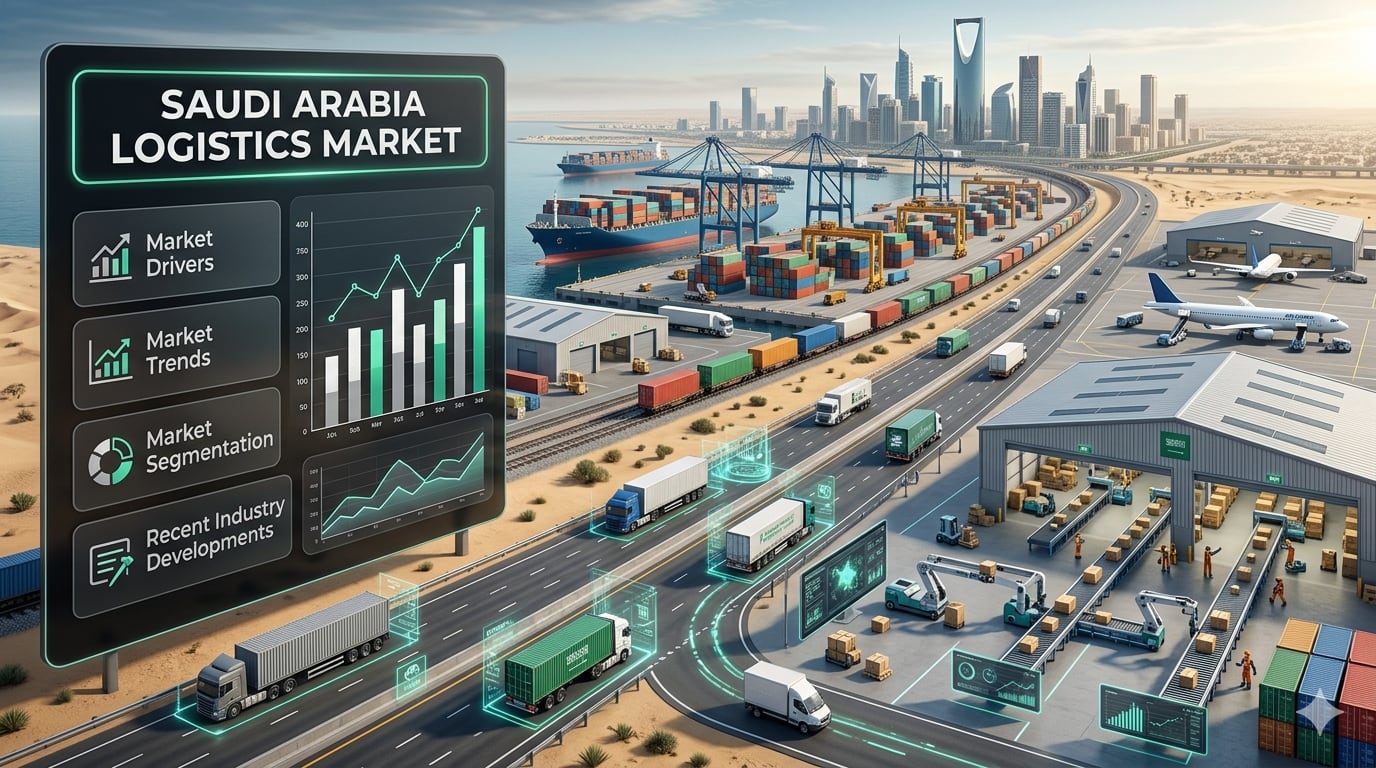

The transformation of SaudiArabia’s logistics sector, fueled by Vision 2030 and unprecedented infrastructure investment, is redefining business dynamics across the Middle East and North Africa (MENA). The Kingdom’s strategic positioning as a regional distribution hub is not only a boon for its domestic enterprises but also a catalyst for MENA’s broader economic integration. With infrastructure projects valued at SAR 300 billion—including port expansions, rail upgrades, and digitalized customs systems—Saudi Arabia is reducing transit costs and transit times for cross-border trade, directly impacting pharmaceutical, manufacturing, and consumer goods firms seeking efficient supply chain solutions. This shift is attracting sovereign capital from Gulf Cooperation Council (GCC) nations and beyond, which is increasingly diverting investments toward logistics modernization in Saudi Arabia to access regional markets. The influx of such capital is creating a multiplier effect, fostering regional specialization in logistics and enabling SMEs in MENA to scale operations with greater predictability. Businesses outside Saudi Arabia are now reassessing regional hubs, with many opting to consolidate inventories or establish distribution centers in the Kingdom to leverage its improved connectivity and lower operational friction.
The convergence of sovereign capital deployment, venture capital interest, and technological innovation is reshaping Saudi Arabia’s logistics landscape into a high-growth, future-ready ecosystem. Sovereign wealth funds and state-backed entities are channeling funds into logistics infrastructure as part of regional stabilization and economic diversification strategies, while private equity firms are targeting startups developing AI-driven route optimization, blockchain-based tracking, and automation solutions for warehousing. This VC-backed digital transformation is critical for competitive advantage, as businesses across MENA demand real-time visibility and resilience in their supply chains. However, the sector’s reliance on foreign capital raises questions about long-term sustainability and local capacity building. For MENA’s sovereign capitals, the Saudi logistics boom offers an opportunity to diversify risk through strategic investments in adjacent sectors—such as cold chain logistics for food security or last-mile delivery in rapidly urbanizing cities—while collaborating on shared infrastructure projects could further unlock regional synergies.
The implications for regional infrastructure extend beyond Saudi Arabia, compelling MENA nations to evaluate their own logistics capabilities in light of the Kingdom’s advancements. As free trade zones and integrated logistics parks proliferate, the region may witness a fragmentation of supply chains, with countries specializing in niche logistics services to remain competitive. For instance, renewable energy-powered warehouses or green logistics corridors could emerge as differentiators, aligning with global sustainability mandates and Saudi Arabia’s net-zero targets. Meanwhile, cross-border trade initiatives, such as GCC-wide trucking regulations and digital customs frameworks, are setting new benchmarks for regional cooperation. Logistics providers in MENA must now navigate an evolving landscape where access to Saudi’s upgraded infrastructure and tech-forward solutions could become a decisive factor in winning contracts or capturing market share, particularly for Gulf-based enterprises expanding into North Africa or vice versa. The long-term impact will hinge on how these investments translate into scalable, replicable models across the region, potentially accelerating a shift toward a more interconnected and resilient MENA logistics ecosystem.