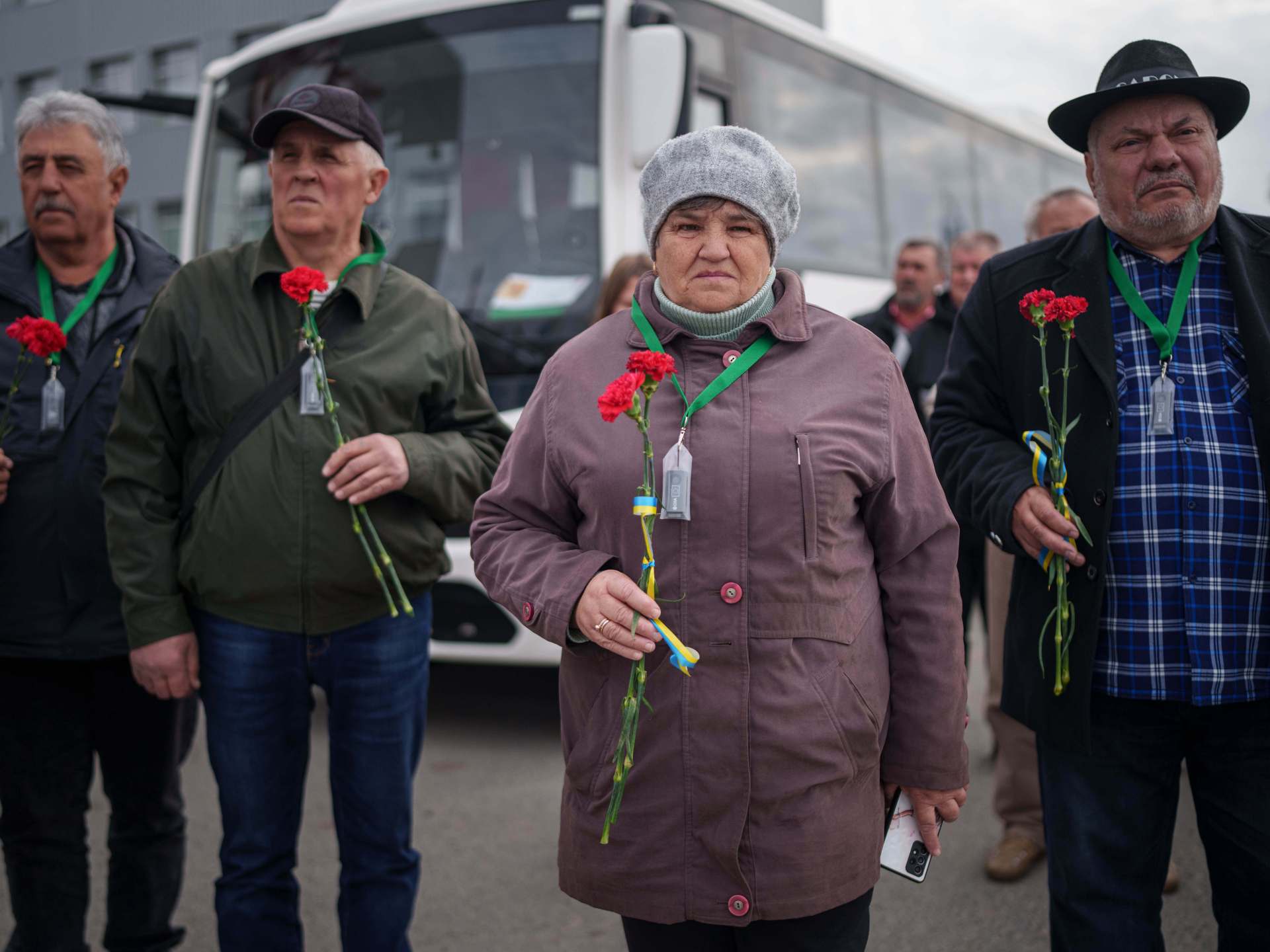

The 40th anniversary of the Chornobyl disaster underscores critical risks for infrastructure development in the Middle East and North Africa (MENA), with profound implications for sovereign capital allocation. The event serves as a stark reminder of the financial and operational pitfalls associated with high-risk energy projects. For MENA countries reliant on hydrocarbon and nuclear energy sectors, the Chornobyl legacy highlights the necessity of rigorous safety protocols and contingency planning. Sovereign capitals, tasked with mitigating such existential risks, face increased scrutiny from international investors, who prioritize transparent risk assessments. This dynamic could deter high-risk ventures, redirecting sovereign investment toward resilient infrastructure or technology diversification, thereby shaping regional economic strategies.
The disaster’s enduring costs—exceeding $180 billion in cleanup and compensation—illustrate the fiscal burden of unmitigated risks, a lesson relevant to MENA’s venture capital ecosystem. Venture capitalists in the region, particularly those funding energy or industrial sectors, may adopt heightened risk aversion, favoring projects with demonstrable safety records. The Chornobyl narrative could also spur demand for specialized insurance or risk mitigation tools, drawing capital toward financial products that safeguard against catastrophic failure. Additionally, the event’s impact on global public perception may pressure MENA governments to enhance regulatory frameworks, aligning with global standards to attract foreign investment and ensure long-term project viability in high-risk environments.
Regionally, Chornobyl’s legacy emphasizes the interdependence of infrastructure resilience and economic stability in MENA. The exclusion zone’s isolation reflects the catastrophic cost of infrastructure failure, a scenario MENA must avoid given its strategic infrastructure projects, such as energy grids or cross-border pipelines. Sustainable development in the region will require sovereign capitals to prioritize infrastructure designed for shock resilience, a shift that could channel funds into advanced materials, digital monitoring systems, or decentralized energy solutions. Concurrently, venture capital may focus on startups addressing environmental monitoring or disaster recovery, fostering innovation that aligns with regional stability goals. The Chornobyl anniversary thus serves as a call to action for MENA to integrate proactive risk management into its infrastructure and capital strategies, ensuring competitiveness in an era of heightened global scrutiny.