
The escalating US naval presence in the Strait of Hormuz represents a material threat to regional capital flows and infrastructure investments that sovereign wealth funds across the Gulf Cooperation Council have spent decades cultivating. With the US Department of Defense confirming the interception of 34 vessels bound for or departing Iranian ports and the seizure of the M/T Tifani carrying sanctioned Iranian crude, the operational risk premium for maritime commerce through this critical chokepoint has fundamentally shifted. For institutional investors managing assets across Abu Dhabi, Doha, Riyadh and Kuwait City, the strategic implications are immediate: energy export routes that underpin sovereign wealth fund valuations now face unprecedented disruption risk.
The Strait of Hormuz transits approximately 20 percent of global oil consumption, a volume that regional infrastructure developers and national oil companies have built their long-term capital expenditure programmes around. The Pentagon’s confirmation that mine-laying activities by Iranian forces have forced the closure of several shipping lanes—albeit with transit remaining “much more limited than anybody would like to see”—signals a deterioration of the security environment that will reverberate through venture capital allocations and bilateral investment treaties. Regional sovereign funds, particularly those with exposure to energy logistics, port operations and downstream petrochemical infrastructure, must recalculate country risk assessments for Iranian-adjacent investments.
From a venture capital and technology ecosystem perspective, the timing could not be more precarious. Gulf states have aggressively positioned themselves as alternative capital hubs for startups and scale-ups seeking to diversify beyond traditional Western financing. The current maritime tensions introduce a layer of geopolitical risk that venture fund managers will be compelled to price into due diligence processes, potentially slowing deal flow in sectors dependent on cross-border supply chains. Insurance premiums for vessels transiting the Gulf have already begun reflecting the heightened threat environment, a cost that will ultimately be borne by regional consumers and industrial end-users.
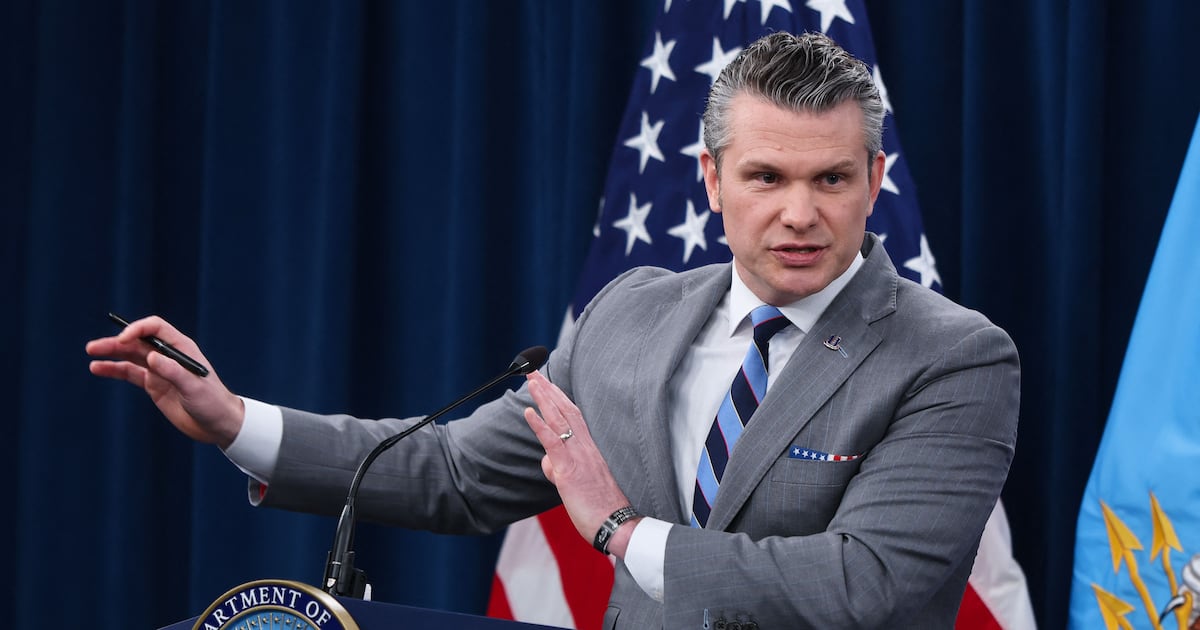
The strategic calculus for European and Asian allies, as articulated by Defence Secretary Hegseth, carries significant economic undertones. European nations and Asian energy consumers depend on Gulf oil flows far more heavily than the United States, yet the burden of securing these vital maritime corridors has historically been borne by Washington. For GCC sovereign wealth funds managing combined assets exceeding $3 trillion, the erosion of US security guarantees—however incremental—demands accelerated investment in autonomous regional defence capabilities and alternative energy transit infrastructure. The message that the era of “free riding” under the US security umbrella has concluded should be interpreted by regional capital managers as a call to diversify risk across multiple strategic dimensions, including domestic infrastructure hardening and energy market hedging instruments.