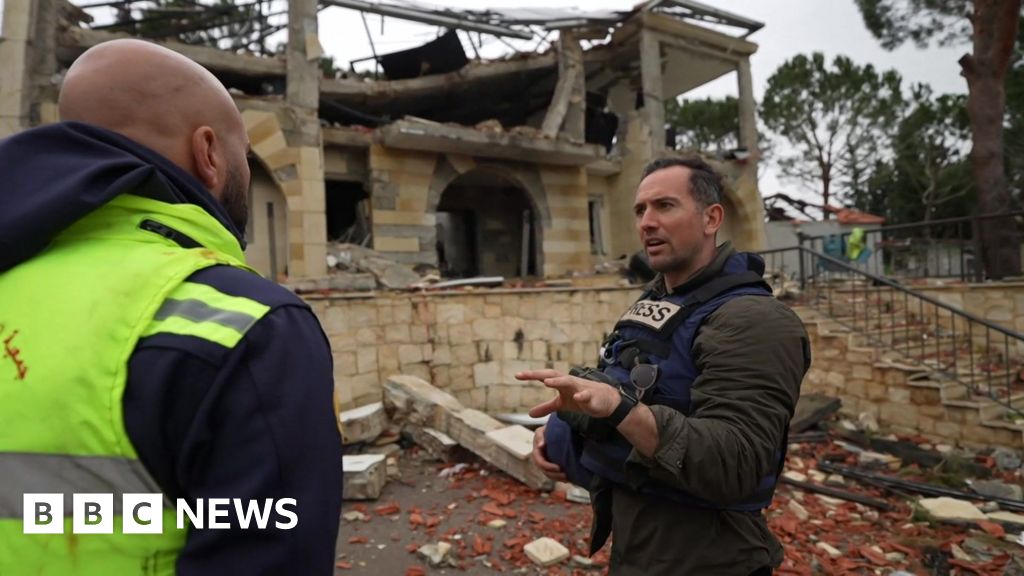

The ongoing conflict in Lebanon is not only exacting a profound human toll but also reverberating through the country’s already fragile economic and infrastructural landscape. With one in five Lebanese forced to flee their homes since hostilities reignited in March, the displacement is straining an economy that had been struggling with one of the world’s worst financial crises even before the current escalation. The destruction of critical infrastructure, including health facilities and emergency services, further undermines Lebanon’s ability to function as a stable economic entity. The reported targeting of medical sites, whether deliberate or collateral, signals a dangerous precedent that could erode international confidence in the country’s governance and rule of law, deterring much-needed foreign investment and humanitarian aid.
For regional investors and sovereign capital allocators, Lebanon’s deteriorating security environment presents a complex risk matrix. Neighboring Gulf states, which have historically provided financial lifelines through direct investment and deposit inflows, may adopt a more cautious stance given the heightened instability. The conflict also complicates Lebanon’s ability to access international capital markets or secureIMF-backed reform programs, both of which are critical for staging a sustainable economic recovery. Furthermore, the displacement crisis is likely to increase domestic demand for emergency funding, crowding out other development priorities and prolonging the country’s economic restructuring timeline.
On a broader scale, the escalation in Lebanon underscores the interconnected vulnerabilities within the Middle East and North Africa’s geopolitical and economic framework. Investors and policymakers across the region are recalibrating exposure to assets linked to Lebanon, while simultaneously assessing spillover risks into adjacent markets. The conflict’s impact on Lebanon’s infrastructure, particularly its healthcare and logistics networks, will require significant reconstruction spending—an opportunity for regional and international players in construction, technology, and logistics, but only if security conditions permit. In the interim, Lebanon’s role as a potential growth market remains on hold,tethered to the resolution of hostilities and a return to political and institutional stability.