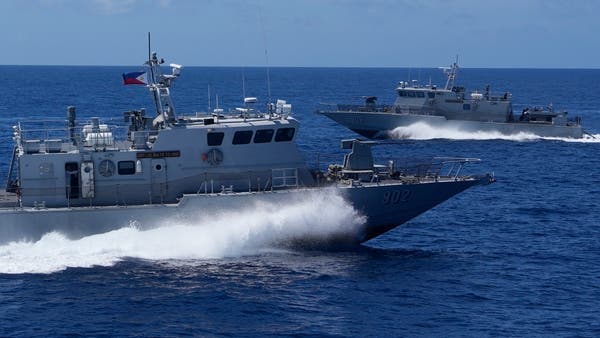

The United States has implemented a comprehensive maritime blockade against Iranian ports, a move formally announced by the administration today. The embargo, officially effective Monday, imposes sweeping restrictions on all vessels and shipping engagements capable of carrying goods to or from Iranian coastal facilities. The sanction is poised to deliver immediate seismic ramifications for the Gulf’s entrenched energy supply chain, discounting the region’s pivotal role as a linchpin of global oil and gas logistics.
For sovereign capital markets, the blockade amplifies pre‑existing volatility in Tehran’s oil‑dependent fiscal architecture. Commodity revenues—already strained by fluctuating refining margins and heightened refinery disruptions triggered by security‑driven supply bottlenecks—will incur sharper shocks as export constraints tighten and downstream processing capacity hits new limits. Treasury yields will align with the heightened risk profile, compelling Gulf‑state hedgers to reassess their exposures to Iranian hydrocarbons and associated infrastructure financing. Moreover, the restriction catalyses an accelerated depreciation of Iranian rial‑denominated debt, prompting local issuers to shift toward euro‑ and dollar‑denominated instruments with higher yields to maintain liquidity in a constricted capital market environment.
From the perspective of venture capital and the broader tech ecosystem, the policy shift marks a continuation of the United States’ intent to curtail illicit financing through digital and physical channels. Funding flows into Iranian technology startups, previously sustained by a blend of private equity, sovereign-backed funds, and remittance‑based capital inflows, face immediate curtailment. Venture funds in the MENA region will need to confront stricter due diligence requirements to avoid inadvertent facilitation of sanctioned goods or services. The ripple effects are likely to compress the high‑growth potential of data‑center and fintech initiatives that had leveraged Tehran’s strategic proximity to both the Middle East and Central Asia as a connective hub.
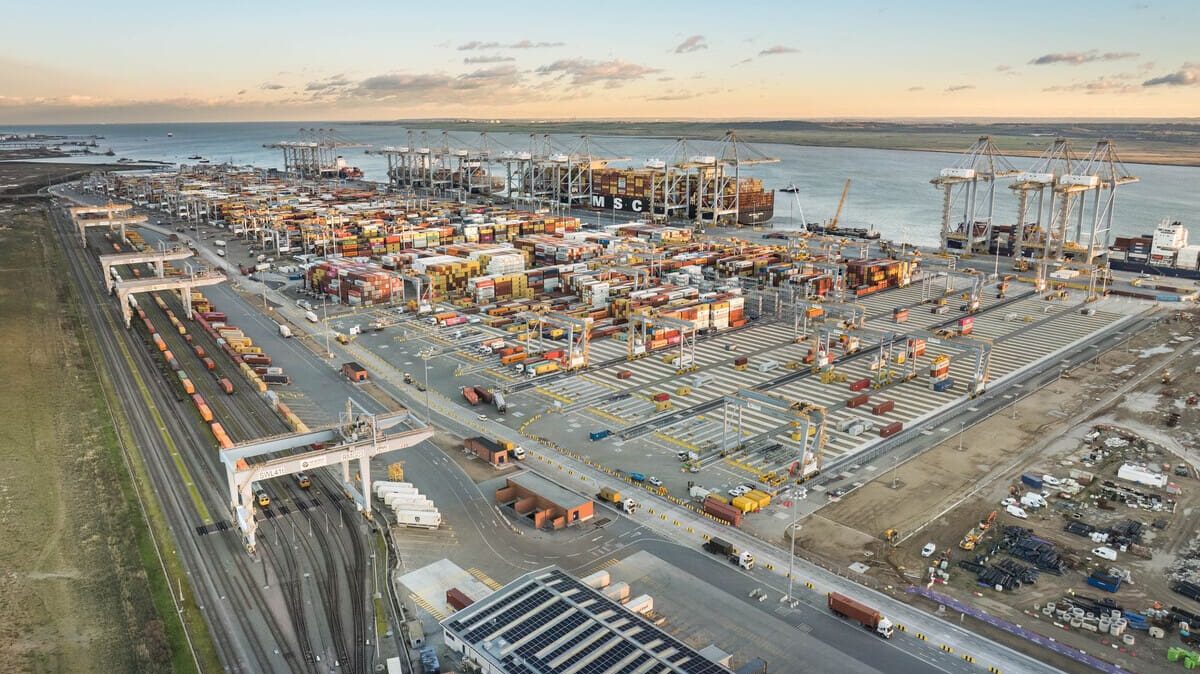
On the infrastructure front, the blockade drives a reevaluation of shipping routes and maritime logistics within the Gulf corridor. Asset managers and operators of container and bulk carriers must adapt to rerouted traffic and potential congestion at alternate ports, such as Bahrain’s Hidd and UAE’s Khalifa Port, thereby inflating operational costs and diminishing service reliability. Infrastructure developers will be forced to re‑engineer contingency strategies, potentially accelerating the region’s shift toward diversified, multimodal transport networks and encouraging investment in hinterland rail and road links to mitigate the impact of maritime disruptions. These dynamics collectively underscore a tightening nexus between regional economic resilience, sovereign financial stability, and the evolving geopolitical calculus that will shape the MENA region’s trajectory in the coming months.