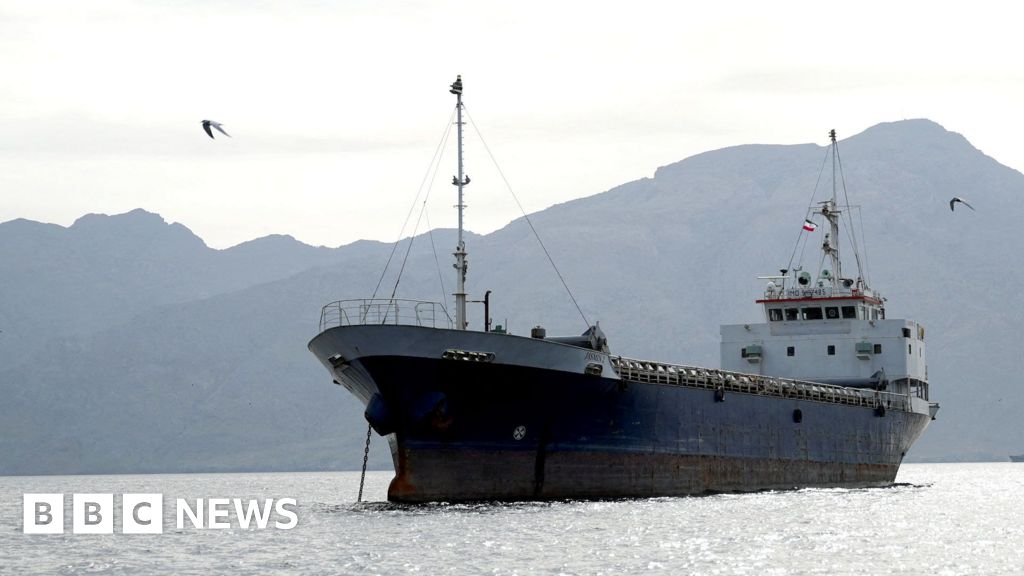

The United States’ decision to impose a near‑total maritime blockade on Iran is a calculated geopolitical bet designed to curtail Tehran’s access to essential trade channels. This approach carries significant implications for sovereign capital flows, as Gulf Cooperation Council states recalibrate their investment strategies to mitigate exposure to regional supply‑chain disruptions while positioning themselves as the primary logistics gateways for the Middle East and North Africa.
Regionally, sovereign wealth funds are accelerating the deployment of capital into high‑value infrastructure, technology, and renewable‑energy projects that can offset potential trade bottlenecks. These funds are increasingly channeling resources into venture‑backed initiatives that develop alternative customs platforms, blockchain‑enabled trade tracking, and interoperable logistics networks, thereby creating new growth vectors for sovereign‑driven asset diversification.
Venture capital ecosystems across the Levant and Maghreb are experiencing heightened activity, with corporate venture arms and sovereign‑linked funds targeting startups that can deliver compliance‑focused software, cross‑border payment solutions, and scalable infrastructure software-as-a-service. The intensified pressure on Iranian exports is thus accelerating the adoption of digital trade facilitation tools that are poised to become core components of the region’s emerging trade architecture.
From an institutional investor standpoint, the reconfiguration of trade routes is prompting a reassessment of risk premiums embedded in Gulf sovereign bonds and infrastructure financing. Capital is flowing toward projects that enhance port capacity, expand rail corridors, and unlock cross‑border energy and data links, reflecting a strategic shift toward resilience and market‑leading positioning within an increasingly fragmented regional economic landscape.