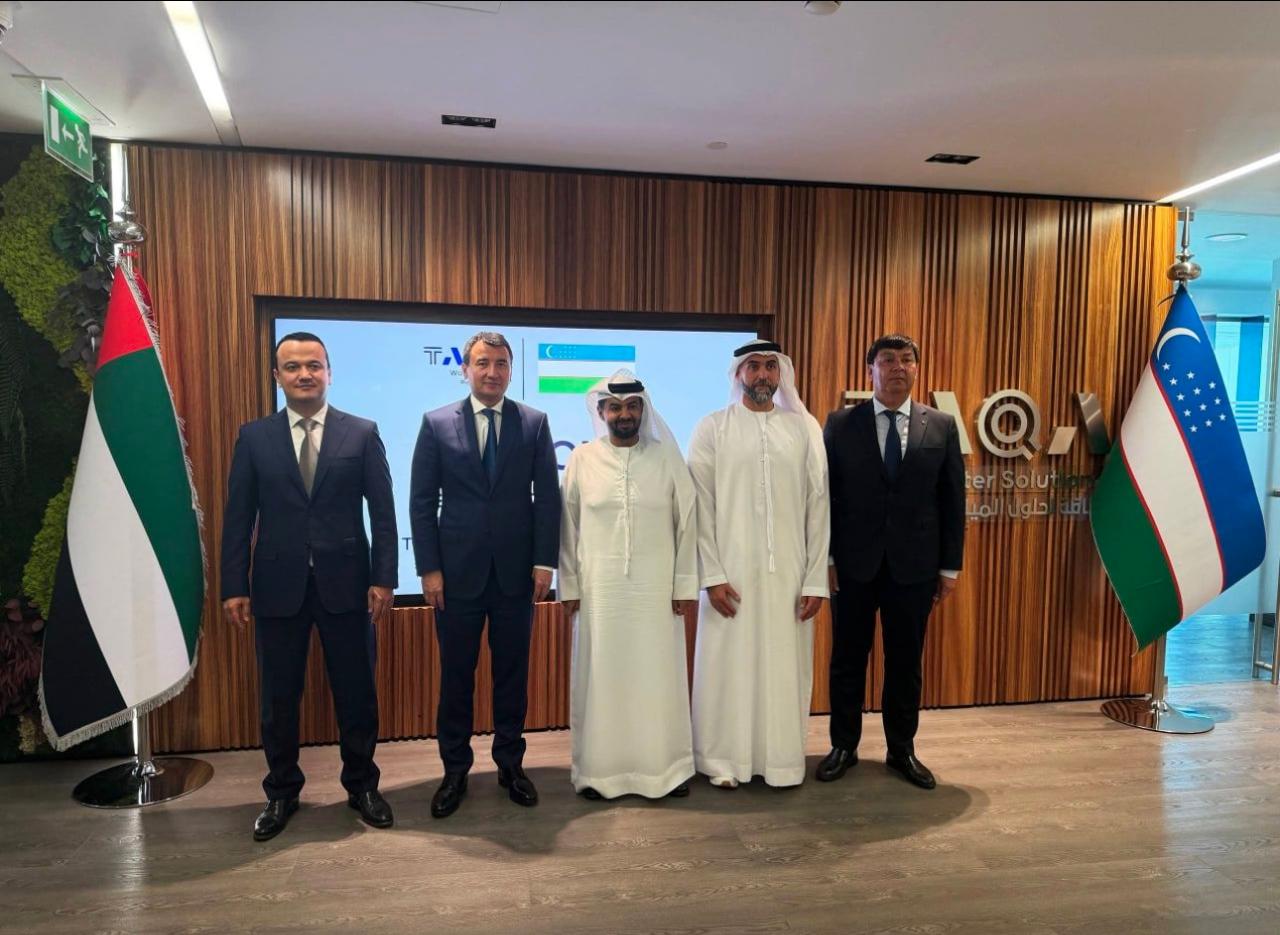

Uzbekistan’s deepening energy and infrastructure collaboration with the UAE, spearheaded by partnerships with Masdar and AMEA Power, represents a significant development with substantial implications for the broader MENA region. As highlighted by Deputy Prime Minister Jamshid Khodjaev, the joint project portfolio has now surpassed $5 billion, signaling a robust trend of sovereign capital deployment driven by strategic alignment on key economic priorities. This commitment underscores the UAE’s sustained focus on Uzbekistan as a critical partner in diversifying its energy resources and bolstering regional connectivity. The successful privatization of the Talimarjan Thermal Power Plant, facilitated by TAQA, and the imminent development of a solar power plant with round-the-clock generation, are prime examples of this collaborative momentum.
The $5 billion investment underscores the increasing role of venture capital and strategic lending in fostering infrastructure development across the Middle East and North Africa. Beyond energy, the renewed focus on sectors like mining, chemicals, and financial services, as outlined by Deputy Prime Minister Khodjaev, points to a broader ambition for economic diversification within Uzbekistan. The UAE’s proactive approach to facilitating these engagements – including the establishment of special purpose vehicles for privatization – demonstrates a sophisticated understanding of structuring long-term partnerships that minimize risk and maximize value creation. This model is increasingly prevalent in the region, fostering a new era of investment-driven development centered on sustainable and scalable solutions.
Furthermore, the integration of these projects within the regional infrastructure landscape warrants serious consideration. Uzbekistan’s strategic location as a transit hub connecting Asia and Europe, coupled with the UAE’s investment in port infrastructure and logistics networks, creates a compelling synergy. Expanding collaboration in logistics, particularly around energy transportation and materials handling, could unlock significant economic efficiencies and enhance regional competitiveness. The successful privatization of Talimarjan and the ongoing development of the solar plant will contribute to a more secure and diversified energy supply chain, mitigating vulnerabilities associated with dependence on external sources. The increasing presence of UAE-backed investment in Uzbekistan’s energy sector is creating a ripple effect, potentially incentivizing similar ventures across the region.
The long-term business implications of this evolving partnership are profound. Beyond direct financial returns for involved parties, the projects will stimulate local expertise development, creating new jobs and fostering innovation within Uzbekistan. The UAE’s experience in renewable energy and infrastructure management provides valuable know-how that will contribute to Uzbekistan’s long-term growth trajectory. The strategic alignment between Uzbekistan and the UAE offers a compelling model for regional cooperation, potentially influencing investment strategies and fostering greater interconnectedness across the Middle East. Institutional investors and private equity firms in the region should closely monitor this dynamic, recognizing the potential for significant returns and long-term value creation within this increasingly important corridor.