
Gulf sovereign wealth funds continued to allocate roughly $25 billion in the first quarter of 2026, underscoring the resilience of the region’s state‑backed capital despite the escalation of regional conflict. The Public Investment Fund (PIF), Mubadala Investment Company, and the Qatar Investment Authority together accounted for the bulk of this deployment, according to data from Global SWF. With assets under management now approaching $5 trillion and projections targeting $18 trillion by 2050, these funds possess the depth to absorb geopolitical shocks while sustaining a steady outflow of capital to strategic foreign markets.
The bulk of Gulf sovereign exposure remains anchored in the United States, where mature technology, infrastructure, and financial ecosystems limit rapid redeployment. Recent commitments to artificial‑intelligence platforms, media conglomerates, and energy ventures illustrate that existing pipelines are being honoured rather than abandoned. Mubadala’s closure of its third Brazil fund—raising $900 million against a $750 million target—exemplifies the appetite for diversified, high‑growth opportunities, while the Abu Dhabi Investment Authority (ADIA) has intensified its private‑credit footprint across Europe and Asia, signaling a broader shift toward alternative‑asset classes.
Nevertheless, a protracted conflict could compel a recalibration of overseas allocations. Analysts at Global SWF warn that sovereigns may redirect liquidity toward domestic priorities, including defense, aviation, and critical‑infrastructure projects, potentially curtailing the pace of foreign investments. In a scenario where Strait of Hormuz disruptions persist, ADIA is expected to increase holdings in highly liquid markets, whereas Mubadala and Qatar’s L’Imad may pivot toward supply‑chain resilience, regional infrastructure, and domestic economic stability.
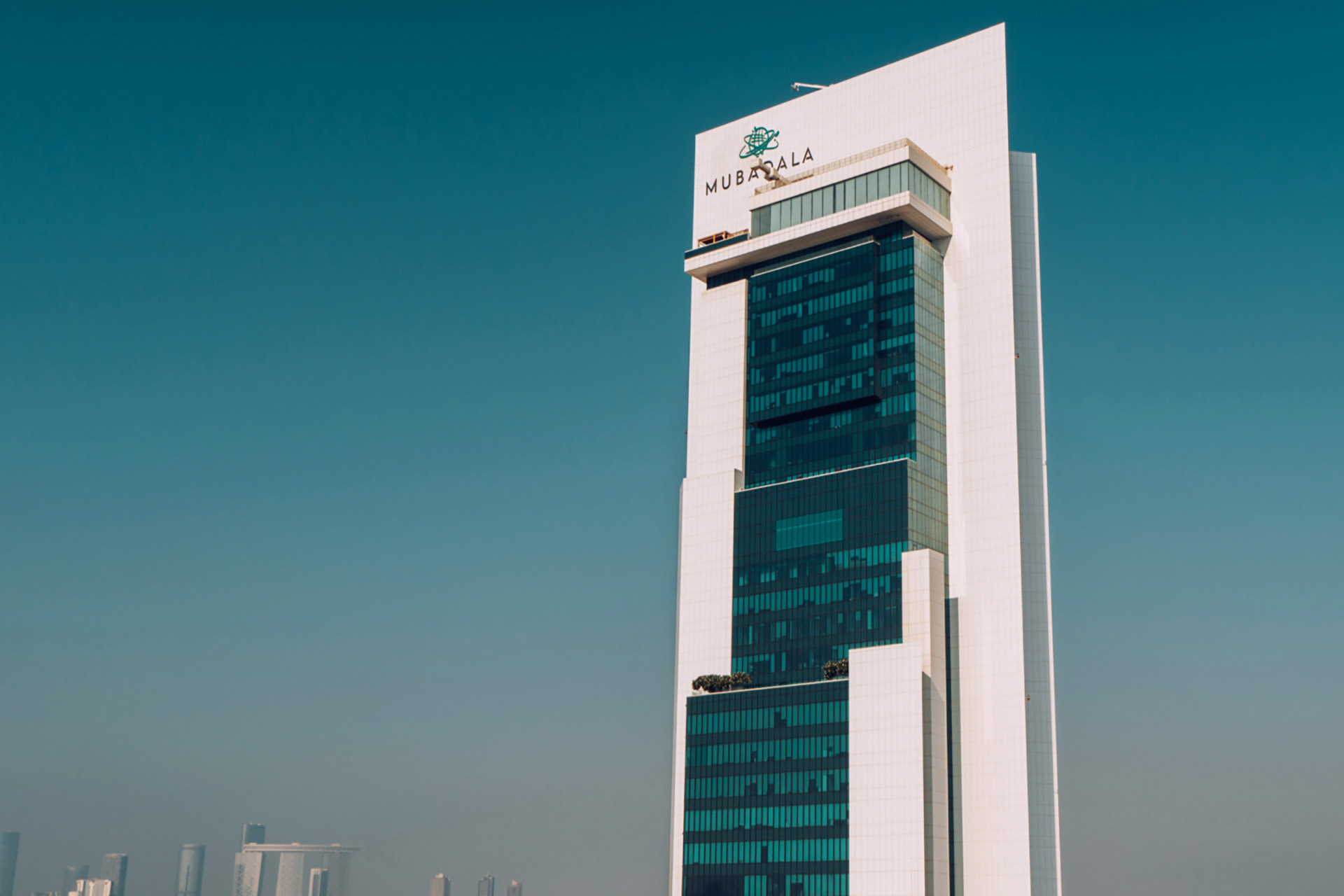
Even amid such headwinds, the sheer scale of Gulf sovereign balance sheets positions them to act as opportunistic buyers of distressed assets. Mubadala, now managing AED 1.4 trillion in assets and contributing 5.7 % of Abu Dhabi’s non‑oil GDP, is already expanding its footprint in AI, healthcare, financial services, and private credit. This dual capability—maintaining strategic long‑term exposures while seizing short‑term price dislocations—will likely reinforce the Gulf’s role as a pivotal conduit of capital for both regional development and global venture ecosystems.