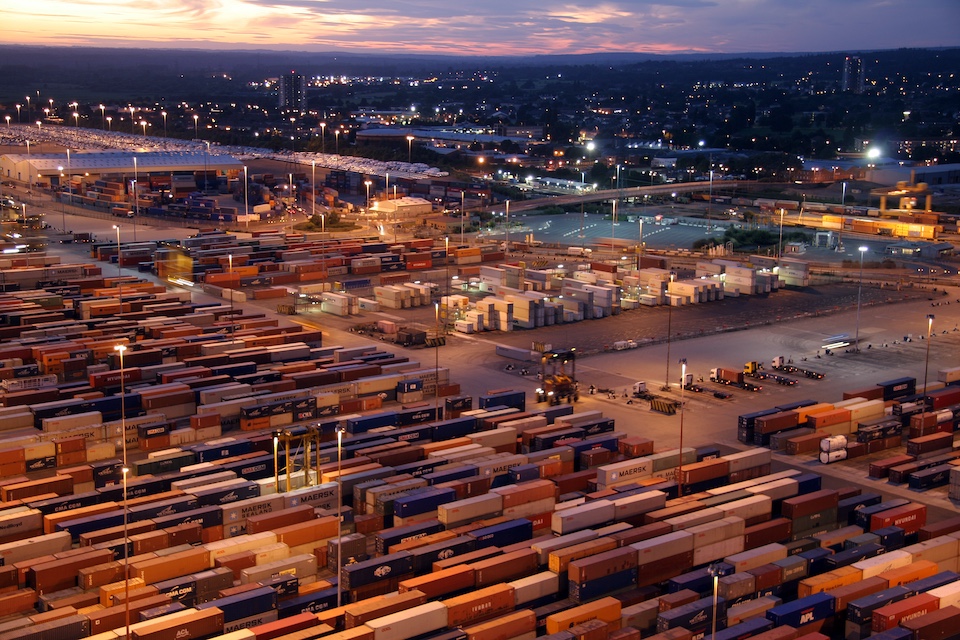

DP World’s forthcoming carbon insets for its Southampton terminal signal a pivotal shift in the MENA region’s trade logistics landscape. By offsetting emissions linked to cargo flow through one of the EU’s busiest ports, DP World is reinforcing its commitment to net‑zero targets while delivering a measurable competitive edge to carriers seeking greener supply chains.
The initiative carries significant implications for sovereign capital flows in the Gulf. Governments across the MENA region are increasingly directing public‑private partnership funds toward climate‑resilient infrastructure, and DP World’s carbon‑offset strategy aligns with national decarbonisation roadmaps. This convergence opens avenues for state‑backed financing, enabling the company to attract concessional loans and green bonds that can be leveraged to further modernise Asian and African terminal operations.
From a venture‑capital perspective, the Southampton case demonstrates a clear business case for climate‑tech solutions in logistics. Early‑stage firms developing carbon‑sequestration technologies, bio‑carbon credits, and emissions‑tracking platforms are poised to benefit from DP World’s transparent reporting framework. Investors eyeing the MENA‑European corridor will view this collaboration as an endorsement of the region’s growing role as a carbon‑responsible hub, potentially inflating valuation multiples for logistics start‑ups and tech incubators.
Regionally, the move accelerates the adoption of high‑speed, low‑carbon freight corridors linking the Middle East to Europe. Infrastructure planners can now rationalise investment in electrified rail spurs, low‑emission bunkering stations, and digital freight‑management platforms, knowing that terminal operators like DP World are already establishing the requisite carbon offsets at proven nodes. This synergy is likely to create a virtuous cycle of capital inflows, technological diffusion, and sustainable trade infrastructure across the MENA basin.