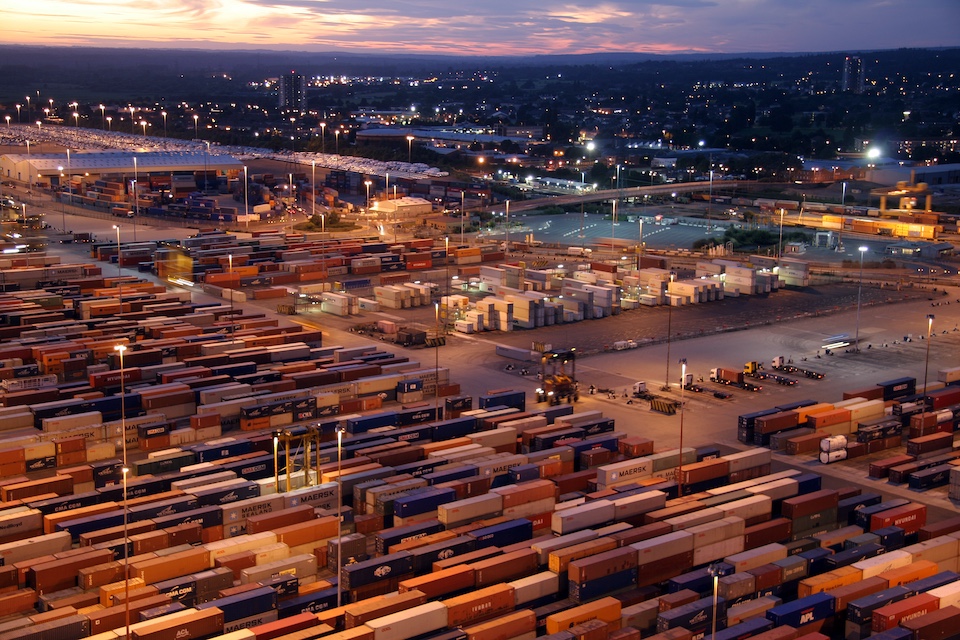

The potential resumption of hostilities between Iran and the United States, coupled with regional security tensions, poses significant challenges to the Middle East and North Africa (MENA) region’s business environment and financial stability. A renewed conflict could disrupt critical trade routes and energy exports, which remain cornerstone assets for many MENA economies. The risk of renewed sanctions or military actions may further constrain sovereign capital flows, as countries in the region seek to diversify their revenue streams amid growing geopolitical instability. For nations reliant on foreign direct investment, this scenario could exacerbate capital flight risks and delay infrastructure projects, undermining long-term economic development goals. The volatility would also strain regional financial markets, particularly in Iran and nuclear-armed states, where sovereign creditworthiness is already under pressure. In this context, MENA governments may prioritize capital preservation over expansionary policies, reshaping the regional financial architecture toward risk-averse strategies.
Venture capital (VC) activity in the MENA region could face a bifurcated trajectory under heightened geopolitical uncertainty. While speculative investment in emerging technologies or alternative energy sectors might see short-term inflows from risk-tolerant investors, the overall VC ecosystem is likely to contract due to heightened political and economic volatility. Countries such asIsrael, the UAE, and Saudi Arabia—key hubs for innovation funding—may redirect capital toward defense-related technologies or sectors offering resilience against sanctions. However, startups in non-strategic domains could struggle to secure funding, as investors prioritize survival over growth in an environment where regulatory shifts and cross-border transaction barriers amplify operational costs. This dynamic could accelerate the consolidation of VC portfolios in regional powerhouses, leaving smaller economies in the MENA region with diminished access to external capital and a slower pace of technological adoption.
The regional infrastructure landscape must also brace for significant upheaval, as renewed conflicts could redirect investment away from high-risk zones toward secure, alternative corridors. Projects tied to the Belt and Road Initiative or transregional energy networks may face delays or altered scopes, prioritizing stability over expansion. Additionally, the increased focus on defense infrastructure—such as military logistics and border security—could divert public and private capital from civilian projects, exacerbating regional infrastructure deficits. For the MENA region, this scenario underscores the imperative to build resilient, diversified infrastructure networks capable of withstanding geopolitical shocks while maintaining economic integration. The long-term implications extend beyond immediate construction costs, necessitating strategic re-evaluation of infrastructure financing models to align with evolving security paradigms.