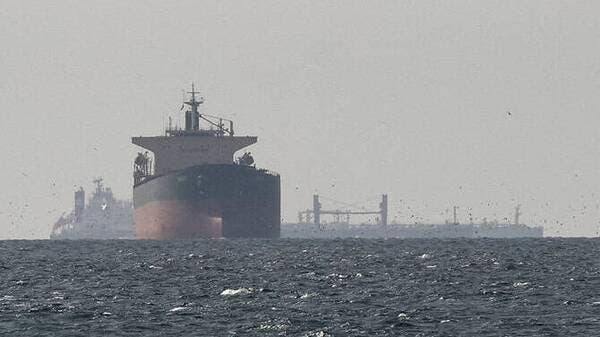

The evolving hydrocarbon chokehold imposed on the Strait of Hormuz remains a pivotal fulcrum for systemic risk across the Middle East and North Africa. The persistent disruptions have reverberated far beyond Iranian waters, redefining the calculus of sovereign wealth, venture capital flows, and regional infrastructure development. With over $1.6 trillion in global trade routed monthly through the Hormuz corridor, the intermittent closures or operational throttling of maritime traffic have placed unprecedented strain on Gulf capital, compelling sovereign actors to reassess risk premiums. The US, leveraging its naval and diplomatic leverage, has not only curtailed Iran’s access to critical trade revenues but also catalyzed a ripple effect through regional financial markets, where volatility in energy-linked portfolios has intensified.
The deepening credit implications are evident in the recalibration of sovereign capital strategies across the Mena region. Investors, acutely aware of the strategic value underpinning Gulf trade, are adjusting exposure parameters to mitigate exposure to countries subject to ongoing pressure. This shift has prompted a more cautious capital deployment, with financial institutions emphasizing safeguards against supply shocks and geopolitical turbulence. The venture capital sector, particularly those targeting green and digital infrastructure in the region, is increasingly prioritizing resilience metrics—where infrastructure projects now weigh both economic viability and geopolitical exposure. Consequently, the MENA investment arena is witnessing a measurable recalibration, as actors seek to balance ambition with adaptability in an era of contested energy flows.
From an infrastructure perspective, the blockade has underscored the vulnerability of intermodal logistics in the region and accelerated strategic investments in alternative supply chains. Regional powers have responded by advancing domestic port modernization, diversifying maritime routes, and accelerating digitalization to counteract friction points. These developments are not merely reactive; they signal a broader pivot toward resilient, multi-hub trade architectures capable of withstanding external shocks. The interplay of sovereign capital, venture funding, and infrastructure resilience will ultimately shape the economic landscape of the Middle East, determining whether this turbulence becomes a catalyst for transformation—or entrenches new vulnerabilities.