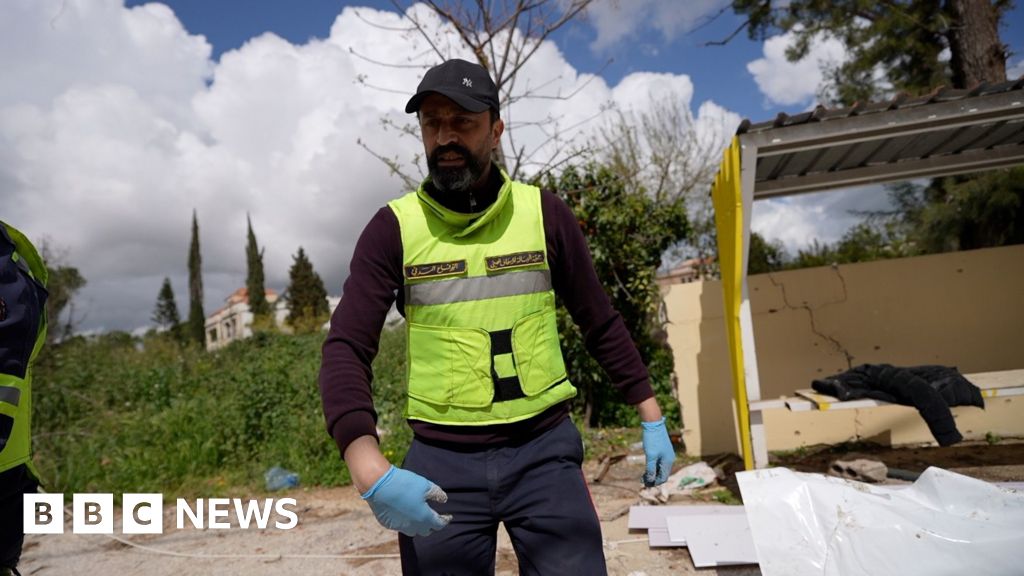

The tragic events in Turkey, while deeply regrettable, necessitate a sober assessment of their potential, albeit indirect, ramifications for regional financial stability and investment flows into the Middle East and North Africa (MENA). While the immediate impact is humanitarian, the incident underscores the persistent geopolitical risks inherent in the region, a factor already weighing on investor sentiment. Sovereign wealth funds (SWFs) from the GCC, significant players in global capital markets, are particularly sensitive to such occurrences, potentially leading to a recalibration of risk premiums and a more cautious approach to direct investment in Turkey, a nation historically viewed as a bridge between Europe and the MENA region.
The incident’s impact extends beyond direct investment. Venture capital (VC) activity, which has seen a surge across MENA in recent years, is intrinsically linked to macroeconomic stability and perceived security. While Turkey itself is a burgeoning VC market, the broader regional ecosystem is susceptible to contagion effects. Increased uncertainty stemming from such events can dampen the appetite of international VC firms, potentially slowing the pace of innovation and deal-making across the MENA landscape. Furthermore, the incident may reinforce the trend of capital flight towards perceived safe havens, further straining liquidity in some MENA economies already grappling with inflationary pressures and currency volatility.
Infrastructure development, a cornerstone of many MENA nations’ economic diversification strategies, is also indirectly affected. Turkey’s role as a regional transit hub and its involvement in key infrastructure projects – including energy pipelines and transportation corridors – are vital to the broader regional economy. Any disruption to these projects, or a perceived increase in operational risk, could necessitate reassessments of investment viability and potentially lead to delays or cancellations. This is particularly relevant given the ongoing efforts to enhance regional connectivity and reduce reliance on traditional trade routes, initiatives heavily reliant on stable geopolitical conditions.
Ultimately, while the human cost of this tragedy is paramount, financial institutions and policymakers across the MENA region must remain vigilant. A thorough review of existing risk mitigation strategies, enhanced due diligence protocols for investments in Turkey and neighboring countries, and proactive engagement with international partners will be crucial to safeguarding regional economic stability and maintaining investor confidence in the face of persistent geopolitical uncertainties. The incident serves as a stark reminder that the MENA region’s economic trajectory remains inextricably linked to its political landscape.