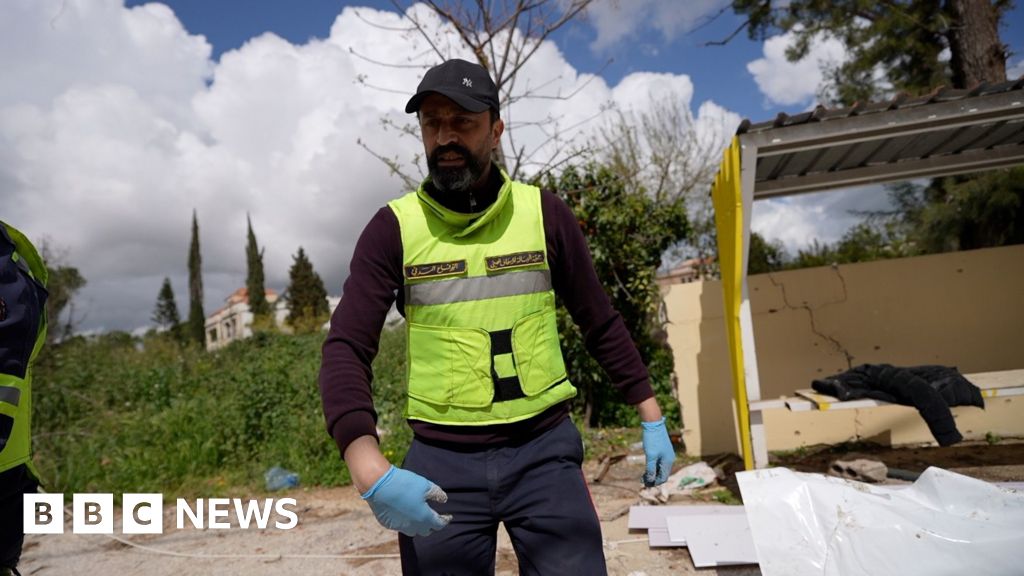

Recent armed assaults on medical response units in the region underscore a growing volatility that directly threatens the operational continuity of health‑care delivery and associated supply chains.
The immediate impact on business is a sharp rise in insurance premiums, heightened credit risk assessments, and a measurable downgrade in sovereign risk metrics as governments grapple with security costs that divert fiscal resources from infrastructure investment.
For sovereign wealth managers and venture capital firms, the incidents signal a need to recalibrate capital allocation toward projects that incorporate security resilience, digital health monitoring, and modular, mobile medical units that can operate under contested conditions.
Consequently, regional infrastructure strategies are being reevaluated to prioritize hardened logistics networks and public‑private partnerships that can sustain essential services amid escalating geopolitical tensions, reshaping the long‑term investment narrative for the Middle East and North Africa.