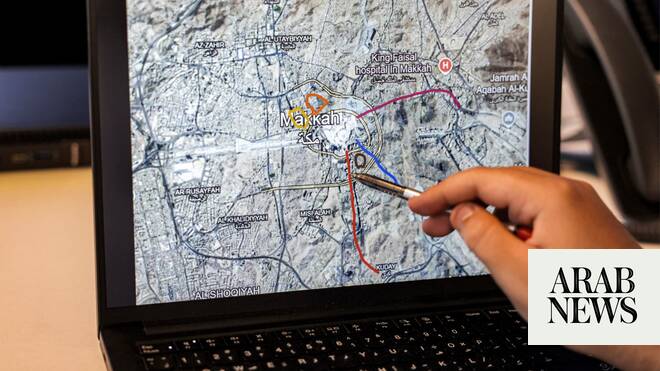
Saudi Arabia’s stringent enforcement of Hajj permit regulations preceding the upcoming 1447 AH pilgrimage carries significant implications for the Kingdom’s sovereign wealth and its broader economic ambitions. The recent announcement of escalating penalties, including fines up to SAR100,000 and ten-year entry bans for violations, underscores a renewed focus on maintaining order and security during this critical period. From a business perspective, this heightened scrutiny could indirectly impact tourism-related industries, particularly those catering to international pilgrims and their logistical needs. While primarily driven by regulatory compliance, the measures could influence investor sentiment regarding the Kingdom’s capacity to manage large-scale events and maintain a stable operational environment.
The emphasis on robust permit controls reflects a strategic prioritization of national security and the efficient management of infrastructure resources. The Hajj season represents a substantial logistical undertaking, demanding considerable coordination across various sectors including transportation, accommodation, and healthcare. Sovereign capital is deeply invested in developing and maintaining the infrastructure necessary to accommodate the millions of pilgrims who participate annually. Efficient permit processes are crucial for optimizing resource allocation and ensuring a smooth experience, which in turn strengthens the Kingdom’s reputation as a reliable host. Any disruptions or inefficiencies stemming from permit violations could strain these resources and potentially impede future infrastructure development projects vital for broader economic diversification.
The implications for venture capital and private sector growth are nuanced. While stricter regulations might introduce initial complexities for businesses operating within the pilgrimage ecosystem, they could also foster greater transparency and long-term stability. Investors involved in tourism technology, hospitality, and related services will need to adapt to the evolving regulatory landscape. The focus on digital solutions for permit management, as hinted at in reports surrounding the Ministry of Hajj and Umrah’s digital transformation efforts, presents potential opportunities for fintech and software companies. However, navigating the compliance requirements will be paramount for success in this sector. The long-term impact hinges on the clarity and consistency of these enforcement measures and their alignment with the Kingdom’s broader Vision 2030 objectives of attracting high-value investments.
Furthermore, the Hajj season’s logistical demands directly influence regional infrastructure development. The ongoing expansion of facilities within Mecca and Medina, coupled with investments in transportation networks connecting these cities to the rest of Saudi Arabia and neighboring countries, are testament to the scale of this undertaking. Robust permit enforcement is integral to the effective utilization of these investments, preventing overcrowding and ensuring the safety and well-being of pilgrims. This operational efficiency has a cascading effect on the wider MENA region, potentially stimulating growth in related sectors such as aviation, logistics, and digital services. The Kingdom’s commitment to managing this complex event effectively serves as a case study for other nations in the region seeking to host large-scale gatherings and leverage tourism as a driver of economic development.