
Doug Field’s abrupt exit from Ford marks a critical inflection point for one of the largest industrial transformations underway in the automotive sector. Having joined the automaker in 2021 after high-profile tenures at Apple and Tesla, Field was positioned as the linchpin in Ford’s pivot toward software-defined vehicles, electric propulsion, and advanced digital services. His departure, announced alongside a sweeping reorganization, suggests that the company’s high-cost, high-profile bets on Silicon Valley talent may be undergoing a strategic reassessment after years of mounting losses in its EV business unit and widening pressure to meet near-term profitability targets.
For the broader Middle East and North African economic ecosystem, this shift signals renewed volatility in global automotive investment flows that have been tightly linked to sovereign industrial strategies. Gulf Cooperation Council states have aggressively courted EV and technology partnerships to diversify away from hydrocarbons, with Ford’s earlier commitments to bring production and development work to regional hubs playing into those plans. Field’s exit could slow the tempo of deeper integration between Detroit’s legacy OEMs and Gulf-based sovereign wealth vehicles, particularly where rapid technology transfer and executive relationships were seen as accelerants for sectoral modernization.
On the venture and private capital front, Ford’s reorganization may recalibrate risk appetites for investors tracking industrial technology in the region. The automaker’s venture arm and strategic innovation outlays were important reference points for MENA-based technology accelerators and R&D partnerships. A retreat from field-building pushes in software and battery platforms could mute the inflow of trans-Atlantic tech expertise into regional startups. Moreover, any delay in the F-150 EV roadmap or Ford’s universal platform ambitions risks eroding confidence in North American supply chain commitments to regional manufacturing sites like those in Morocco and Saudi Arabia’s NEOM ecosystem.
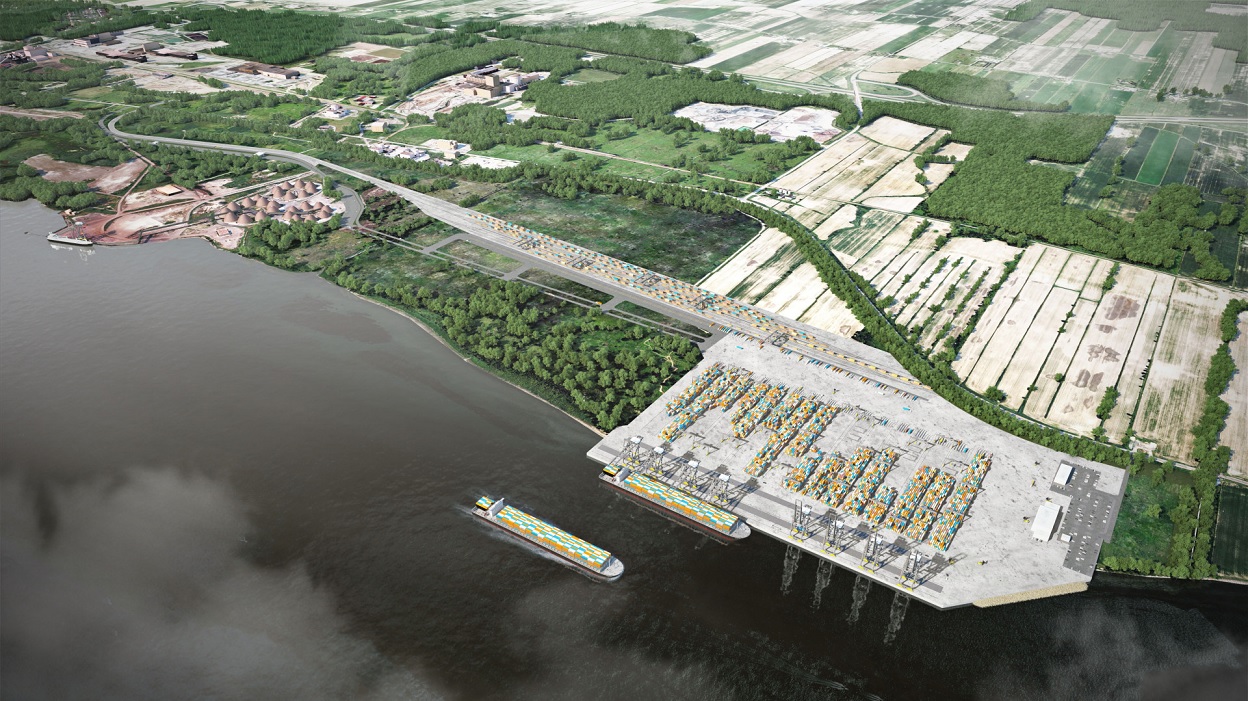
Infrastructure implications cut equally deep. Middle Eastern port and logistics clusters tailored their expansion strategies around projected surges in EV component imports, including large battery modules and high-voltage electronics linked to Ford’s projected product ramp. Should Ford’s production scaling and connected vehicle strategies lose momentum—compounded by executive churn—logistics master planners in key MENA hubs could face stranded capital expenditures. For policymakers, this retreat underscores yet again that the region’s modernization gambits will hinge less on chasing star hires than on building durable, localized capabilities capable of thriving amid the cyclical interruptions that mark global industrial shifts.