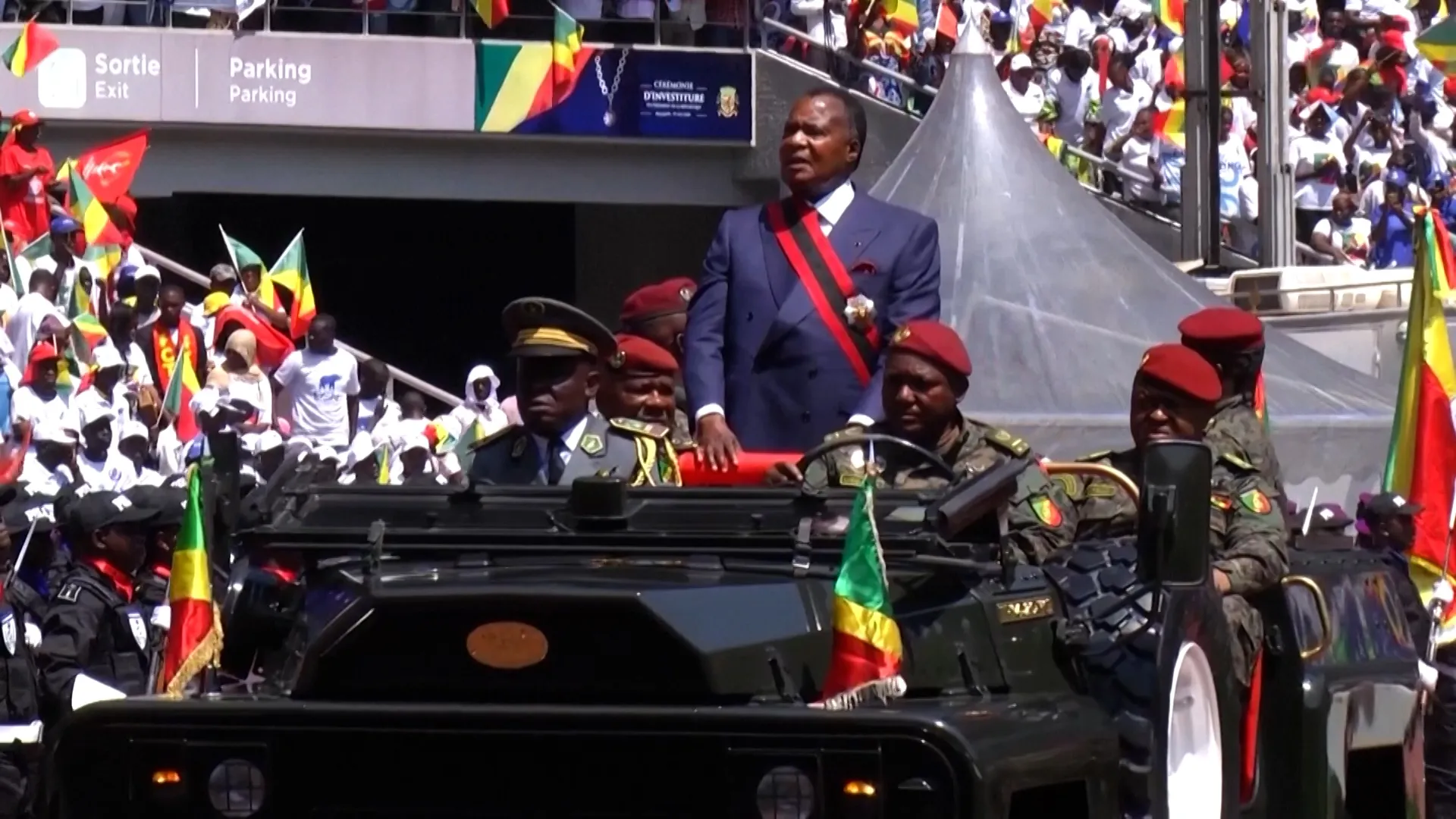

Denis Sassou Nguesso’s unprecedented fifth presidential term in the Republic of Congo underscores a paradox of stability and stagnation in Central Africa’s economic landscape. While the regime’s extended grip on power since 1979 has provided a veneer of policy continuity, it has also entrenched governance risks that deter foreign and domestic capital inflows. The 94% re-election margin, widely criticized for irregularities, signals systemic electoral fraud that undermines institutional credibility. For businesses operating in the Congo, this environment fosters uncertainty around regulatory frameworks and resource allocation, stifling private-sector growth. Meanwhile, the government’s reliance on extractive industries—particularly oil and mining—instead of diversified economic strategies exacerbates vulnerabilities to global commodity price swings, compounding the risk for sovereign and private lenders.
The implications for sovereign capital are profound. Ongoing political fragility in the Republic of Congo could trigger downgrades in its credit rating, as lenders reassess the feasibility of financing infrastructure or debt restructuring initiatives. Similarly, the lack of transparent governance mechanisms deters institutional investors from participating in regional-backed sovereign wealth funds or public-private partnerships. Venture capital, already scarce in the MENA region, faces heightened barriers in Central Africa, where perceived corruption and weak property rights frameworks discourage equity investment in startups or industrial ventures. Without robust legal and financial safeguards, the region’s ability to attract venture capital—critical for fostering innovation and reducing reliance on hydrocarbons—remains severely constrained.
Regional infrastructure development, a linchpin for economic integration in the MENA and Central Africa corridors, also faces delays. The Republic of Congo’s underinvestment in cross-border logistics networks—such as the proposed Trans-African Highway linking Central and West Africa—reflects broader institutional challenges. Prolonged governance stagnation discourages multinational infrastructure firms from committing to long-term projects, fearing bureaucratic hurdles, expropriation risks, or inconsistent enforcement of contracts. As sovereign states in the MENA and Sahel prioritize domestic consolidation over regional cooperation, initiatives like the African Continental Free Trade Area (AfCFTA) risk materializing only as aspirational frameworks. The Congo’s political trajectory thus highlights a critical divergence in development paradigms between the region’s hydrocarbon-dependent states and those pursuing diversified economic models.