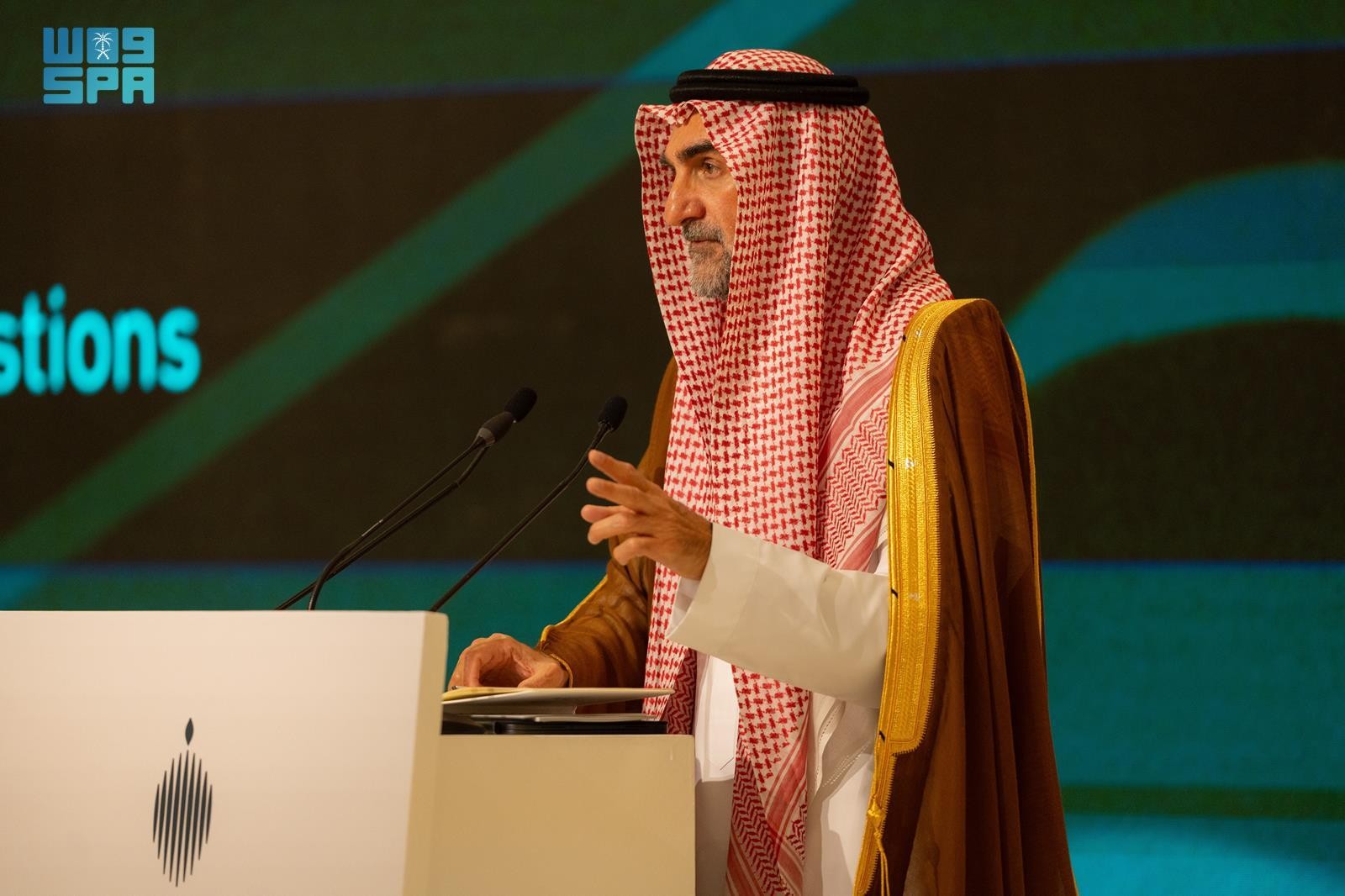

PIF Governor Khaled bin Abdulaziz Al-Faisal’s recent reflections on the fund’s strategic evolution underscore its pivotal role in reshaping the Kingdom’s economic landscape. Over the past decade, PIF has transitioned from a resource-driven investment entity to a diversified sovereign wealth fund prioritizing non-oil sectors, signaling a systemic shift in Saudi Arabia’s economic model. By spearheading public sector privatization and infrastructure investments under Vision 2030, the fund has catalyzed over $70 billion in private sector deals since 2015, fostering job creation and reducing reliance on hydrocarbon exports. This pivot not only mitigates exposure to global oil volatility but also positions the Kingdom as a regional hub for capital deployment, with implications for broader MENA markets seeking to emulate Saudi Arabia’s institutional reforms. However, the fund’s long-term success hinges on balancing sovereign capital mobilization with private sector risk appetite, particularly as geopolitical headwinds and global liquidity tightening challenge investment horizons.
The interplay between sovereign capital and venture capital initiatives reflects PIF’s ambition to catalyze MENA’s startup ecosystem. Recent announcements—including the $1 billion VC arm and strategic investments in fintech, healthtech, and green energy—highlight a deliberate effort to attract global institutional capital while nurturing domestic innovation. By anchoring cross-border investments through co-investment models and sovereign-backed guarantees, PIF aims to de-risk high-growth sectors such as artificial intelligence and advanced manufacturing. This dual approach not only amplifies returns for sovereign entities but also creates a multiplier effect, incentivizing regional private equity firms to deepen local engagement. Yet, sustaining this momentum requires addressing structural gaps, including talent shortages and regulatory fragmentation within the MENA region, which could limit scalability without coordinated policy frameworks.
The infrastructure pillar of PIF’s 2026-2030 strategy emerged as a linchpin for regional integration and logistical efficiency. Projects like NEOM, Riyadh Metro, and wind/solar farm megaprojects are framed as catalysts for reduced supply chain bottlenecks and enhanced connectivity across trade corridors. By leveraging sovereign capital to anchor PPP deals—such as the $15 billion/$18 billion $22 billion $22.5 billion $28 billion $28.5 billion $30 billion $32.5 billion Sarat Oil Company acquisition and Rosyth Castle Brewery stake—the fund aims to unlock $500 billion+ in domestic and foreign infrastructure investment by 2030. This infrastructure push aligns with OPEC+ allies’ diversification and Gulf Cooperation Council (GCC) ambitions to strengthen inter-country trade networks, potentially elevating MENA’s role in global supply chains amid shifting energy and logistics paradigms post-pandemic.
Nonetheless, PIF’s ambition faces headwinds: macroeconomic instability in GCC member states, fluctuating oil prices, and competition for talent and IP with global tech giants. To sustain its trajectory, the fund must deepen public-private partnerships, streamline regulatory approvals for project exits, and expand midmathcalture private capital investments to bridge early-stage risks. The 2026-2030 roadmap signals confidence in Saudi Arabia’s Global Market Super Center status, but regional peers will likely benchmark its reforms and capital allocation efficiency. Success here could redefine the MENA region’s financial architecture, offering a blueprint for sovereign-led capital deployment in complex, resource-dependent economies transitioning toward high-growth, low-carbon, and knowledge-based systems.