
Recent, unsubstantiated claims attributed to the former U.S. administration regarding purported concessions from Iran have introduced significant volatility into regional financial markets and underscore the precariousness of ongoing geopolitical negotiations. While the veracity of these claims remains disputed by Iranian authorities, the episode highlights the critical role sovereign capital and regional infrastructure play in the stability of the Middle East and North Africa (MENA) region. The implied scenarios – including the transfer of enriched uranium and the guaranteed opening of the Strait of Hormuz – would have profound implications for Iran’s nuclear program, its regional influence, and the broader energy security landscape.
The potential for a significant shift in Iran’s economic trajectory, contingent on any negotiated settlement, is inextricably linked to the availability of frozen assets and the restoration of access to international financial systems. Estimates of these assets range considerably, but their release would provide a substantial influx of capital, potentially stimulating domestic investment and infrastructure development. However, the current climate of distrust and the ongoing sanctions regime present formidable obstacles to such an outcome. Furthermore, the internal political dynamics within Iran, as evidenced by the public criticism of Foreign Minister Araghchi and the anxieties expressed by hardline factions, suggest that any agreement perceived as overly conciliatory could face significant domestic resistance, jeopardizing its long-term viability. The role of sovereign wealth funds, particularly the National Development Fund of Iran, will be crucial in managing any influx of capital and directing it towards strategic sectors.
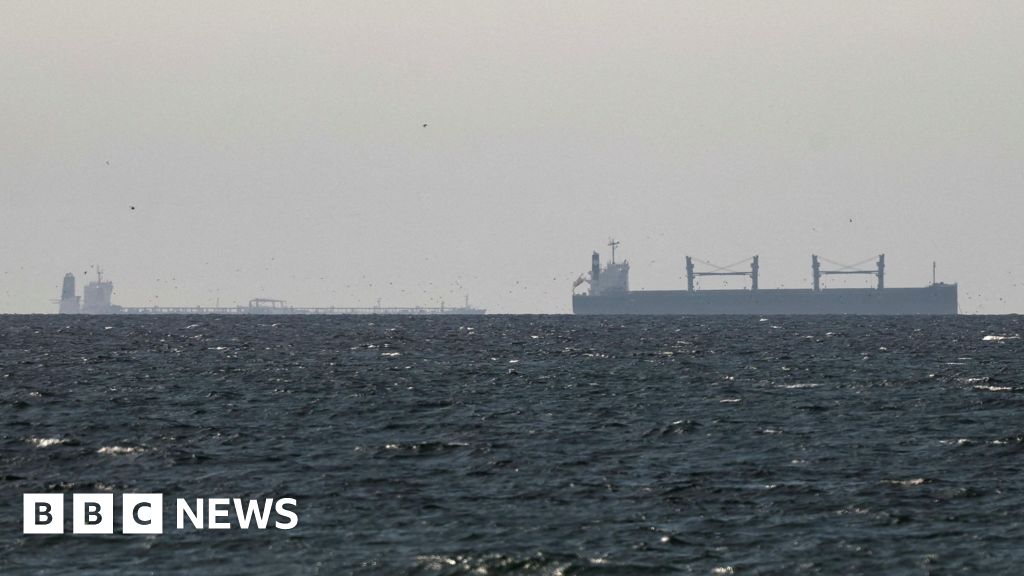
The venture capital landscape across the MENA region is also indirectly affected by the evolving Iran-U.S. relationship. Increased geopolitical uncertainty tends to dampen investor sentiment and risk appetite, potentially impacting fund flows into emerging markets, including those within the region. Moreover, the strategic importance of the Strait of Hormuz, a vital chokepoint for global oil trade, necessitates ongoing investment in maritime security and alternative energy infrastructure. Any disruption to the Strait’s operations, as repeatedly threatened by Iranian entities, would have cascading effects on global energy prices and regional economies, prompting increased investment in diversification and resilience. The recent volatility in the Iranian rial, coupled with the ongoing state-imposed internet shutdown and its impact on the Iranian economy, further underscores the vulnerability of regional financial systems to geopolitical shocks.
Looking ahead, the resumption of credible negotiations, facilitated by neutral parties such as Pakistan, will require a demonstrable commitment to transparency and verifiable compliance from all stakeholders. The infrastructure implications are substantial, encompassing not only energy security but also digital connectivity and trade facilitation. The ability of regional economies to withstand future geopolitical disruptions will depend on their capacity to diversify their economies, strengthen their financial institutions, and foster a stable and predictable regulatory environment. Sovereign wealth funds across the MENA region will likely play an increasingly important role in providing counter-cyclical support and investing in strategic assets that enhance regional resilience.