
The ongoing conflict in the Middle East is generating an uneven economic impact across the region, prompting significant revisions to growth forecasts and highlighting vulnerabilities within individual nations. The International Monetary Fund’s latest World Economic Outlook projects a slowdown in Middle East, North Africa, Afghanistan, and Pakistan growth to 1.4% for 2026, a 2.3 percentage point reduction from its previous prediction, reflecting the escalating uncertainty. This “asymmetric shock,” as described by IMF officials during recent Washington discussions, underscores the divergent trajectories facing countries within the bloc, with sovereign capital flows and venture capital investment now heavily scrutinized against a backdrop of heightened geopolitical risk.
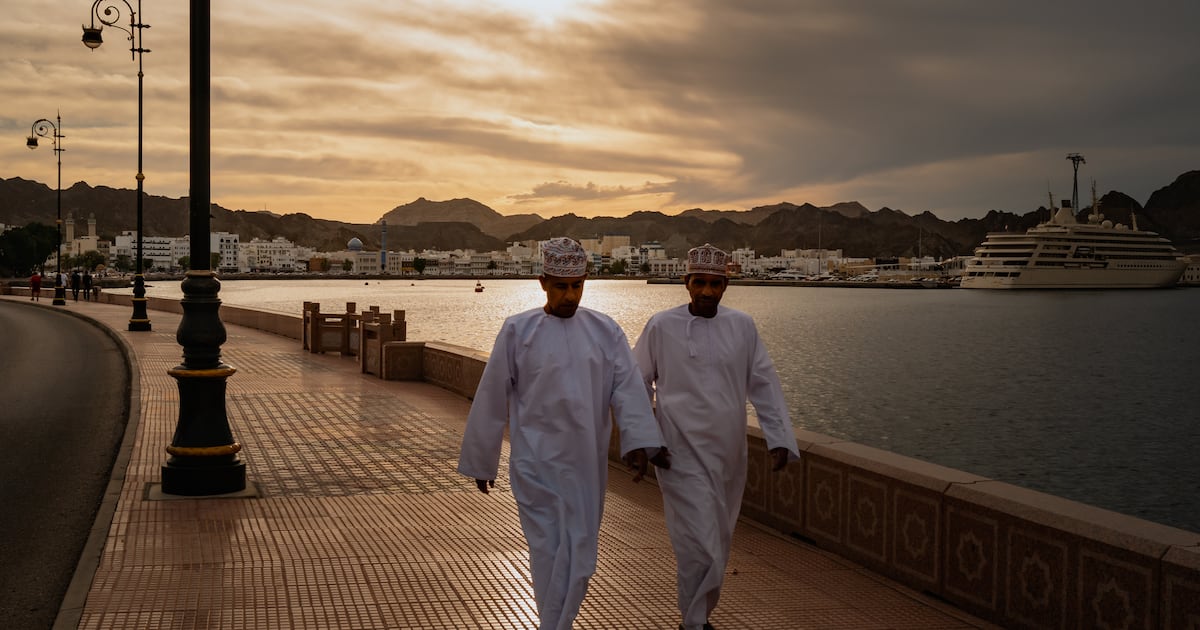
Several nations are particularly exposed. Bahrain faces the most pessimistic outlook, heavily reliant on the Strait of Hormuz for energy exports and grappling with a high debt-to-GDP ratio, exacerbated by recent credit rating downgrades. Conversely, Oman is positioned relatively favorably due to its access to trade routes outside the Strait, while the UAE, bolstered by strategic partnerships and a robust financial sector, is expected to demonstrate resilience. Saudi Arabia, despite infrastructure damage, is leveraging its substantial reserves and ambitious diversification plans, including a significant $925 billion investment fund, to mitigate the impact. Qatar, however, is experiencing the most severe repercussions, with significant damage to its critical infrastructure, including the Ras Laffan Industrial City, leading to a substantial downgrade in its 2026 growth forecast.
The conflict’s implications extend beyond immediate GDP figures. Venture capital investment, traditionally a driver of growth in the region, is experiencing a notable pullback, as investors prioritize risk mitigation. Sovereign wealth funds are re-evaluating their portfolios, with increased emphasis on defensive assets and diversification away from exposure to conflict zones. Furthermore, regional infrastructure – particularly ports and energy facilities – is facing significant disruption, impacting trade flows and supply chains. The closure of the Strait of Hormuz, a vital artery for global energy markets, is intensifying pressure on countries reliant on its passage, necessitating strategic adjustments in trade routes and energy sourcing.
Looking ahead, the region’s ability to recover hinges on the conflict’s duration and scope. While some nations, notably Oman and the UAE, possess inherent strengths and strategic advantages, others, such as Bahrain and Qatar, require substantial policy reforms and external support to navigate the economic fallout. The IMF’s revised forecasts, coupled with the shifting dynamics of regional trade and investment, necessitate a cautious approach from policymakers and investors alike, emphasizing resilience, diversification, and a proactive strategy to manage the evolving geopolitical landscape.