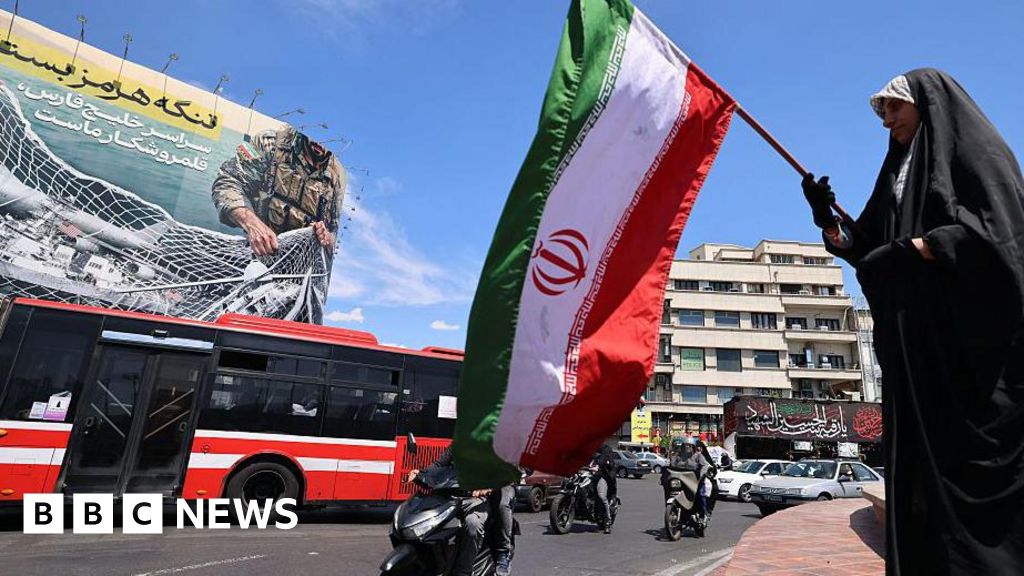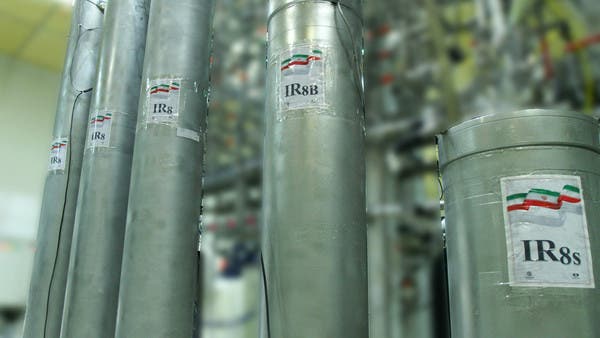

Geopolitical dynamics in the Gulf are once again impacting capital flows and economic restructuring across the MENA region. The Iranian government’s denial of transferring enriched uranium stockpiles – whether to the United States or third nations – has critical implications for regional stability and investor sentiment. Tehran’s position underscores its intent to retain leverage in any future negotiation, thereby prolonging uncertainty around the normalization of sanctions and the release of frozen assets. This protracted ambiguity is expected to delay the strategic redeployment of sovereign wealth capital into cross-border infrastructure and industrial expansion projects across the Gulf economies.
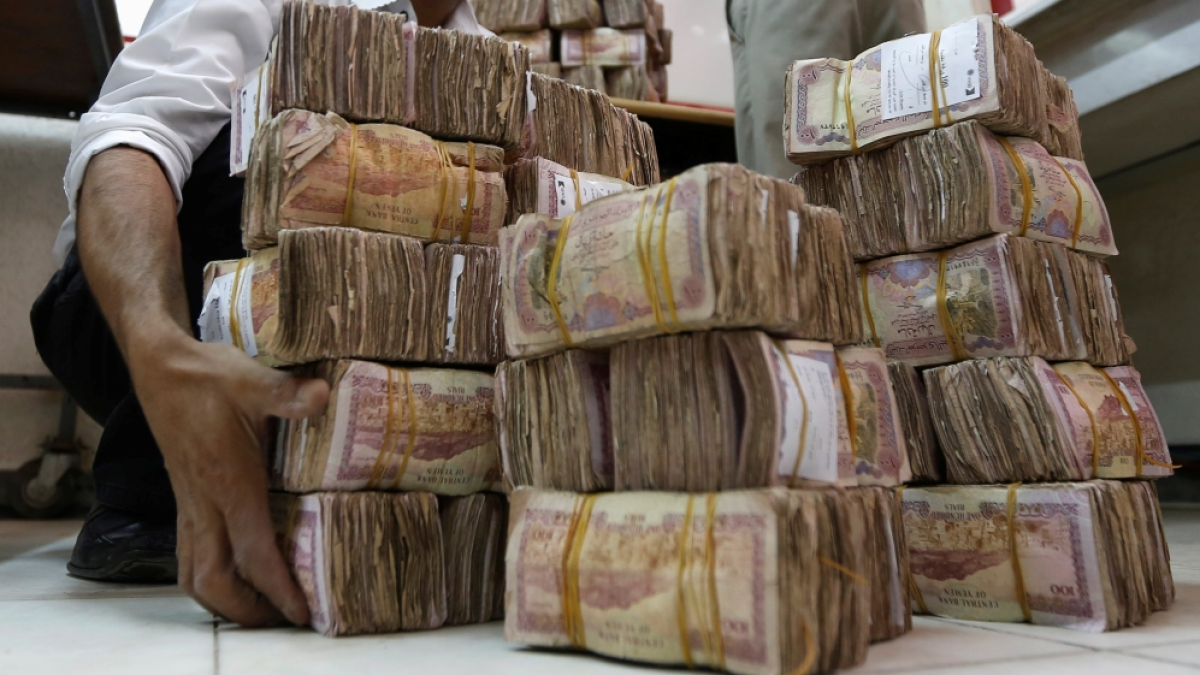
Simultaneously, the potential release of $20 billion in Iranian frozen funds in exchange for uranium disarmament appears increasingly tenuous, creating a bottleneck for sanctioned liquidity to re-enter capital markets. This stasis inhibits Tehran’s ability to reinvigorate state-backed industrial investments and technology procurement from regional partners. Moreover, the maintenance of a de facto US naval blockade of Iranian ports – despite renewed Iranian claims to reopen the Strait of Hormuz – implies a continuing bottleneck in maritime logistics and energy transit. This directly threatens the Gulf’s regional role as a global energy hub, potentially redirecting long-term capital commitments toward ports in the UAE, Oman, and Saudi Arabia as safer alternatives for commodity trade infrastructure.
For investors and sovereign funds across the MENA region, the enduring Iran-KSA-U.S. strategic triangle remains a core variable influencing risk premiums. Iran’s economic recovery hinges upon resolving the nuclear stockpile question, which in turn restrains its ability to expand into regional markets – a rare growth corridor for MENA sovereign capital. The region’s fragmented integration into global value chains, exacerbated by the potential resurgence of logistical chokepoints, significantly hampers the realization of integrated industrial and technology corridors, dampening multi-billion-dollar commitments in logistics, power, and cybersecurity utilities. Until Tehran’s position stabilizes, substantial MENA capital supply is likely to be diverted toward de-risked markets in North America and Asia.
Meanwhile, Iran’s continued enrichment activities, particularly uranium stored at military-grade thresholds, keep its economy and trading relationships frozen under international sanctions architecture. This prolongs the regional status quo, causing policy planners and investors to pre-position capital against potential supply-side disruptions in energy markets, sovereign debt issuance, and sanctioned banking corridors. Without a verifiable accord on Tehran’s nuclear capabilities, infrastructure megaprojects dependent on multi-country financing frameworks remain at risk of delays or restructuring, casting a shadow over the MENA region’s projected GDP growth and technological upgradation for quarters ahead.