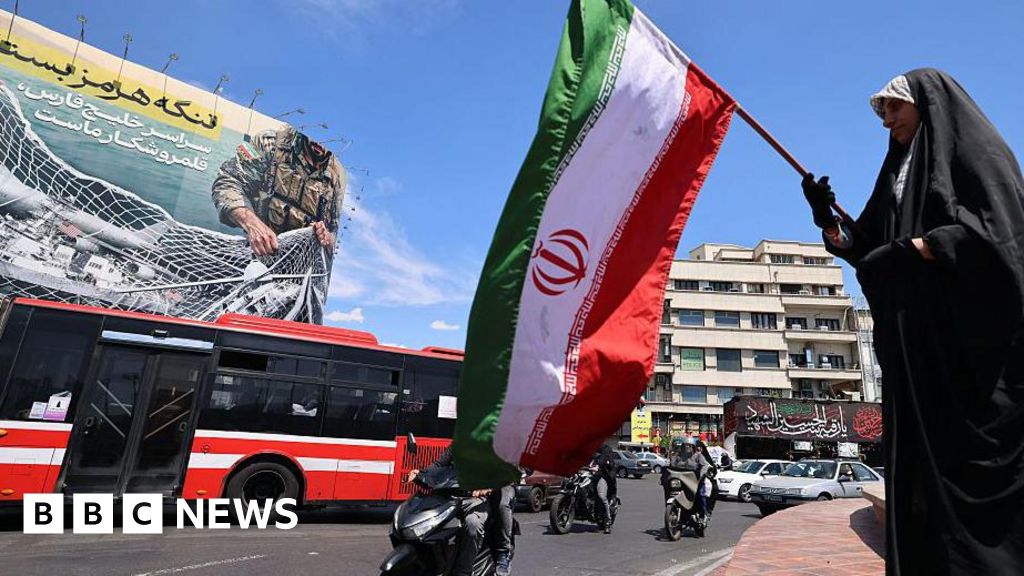

The potential imposition of a maritime blockade on Iran represents a strategic inflection point for regional stability, energy markets, and sovereign capital deployment across the Middle East and North Africa. While the stated objective is to constrict Iran’s primary revenue source—oil exports—such a move risks destabilizing established maritime trade routes, escalating regional tensions, and drawing in global powers with vested interests in Gulf energy security. The economic fallout could ripple through sovereign wealth funds, venture capital ecosystems, and government-backed infrastructure projects that depend on predictable oil flows and geopolitical calm.
From a strategic infrastructure standpoint, heightened military activity in the Strait of Hormuz could deter foreign investment in critical logistics corridors, such as Saudi Arabia’s Vision 2030 ports and the UAE’s Khalifa Port expansion. These assets rely on uninterrupted international shipping lanes. A blockade, even if intended to be selective, injects operational uncertainty that may chill near-term capital commitments and shift sovereign investment toward defensive capabilities rather than economic diversification. The reliance of countries like China on Iranian crude further complicates enforcement, as Beijing may seek to underwrite Tehran’s capacity to circumvent sanctions through shadow fleets or overland pipelines, funding alternative infrastructure to sustain energy flows outside conventional channels.
For regional venture capital and technology financing, the increased military risk profile could temper investor sentiment, redirecting capital to areas perceived as geopolitically insulated. However, it may simultaneously accelerate defensive tech investment in cybersecurity, autonomous maritime surveillance, and port automation as governments prioritize resilience over commercial scalability. In the long term, a sustained confrontation could prompt MENA nations to accelerate non-oil economic integration projects, deepen intra-regional trade agreements, and strengthen ties with India and Southeast Asia to hedge against Western maritime enforcement. The outcome will hinge on how swiftly clarity emerges around enforcement protocols, compensation mechanisms, and the broader macroeconomic recalibrations set in motion by any blockade strategy.