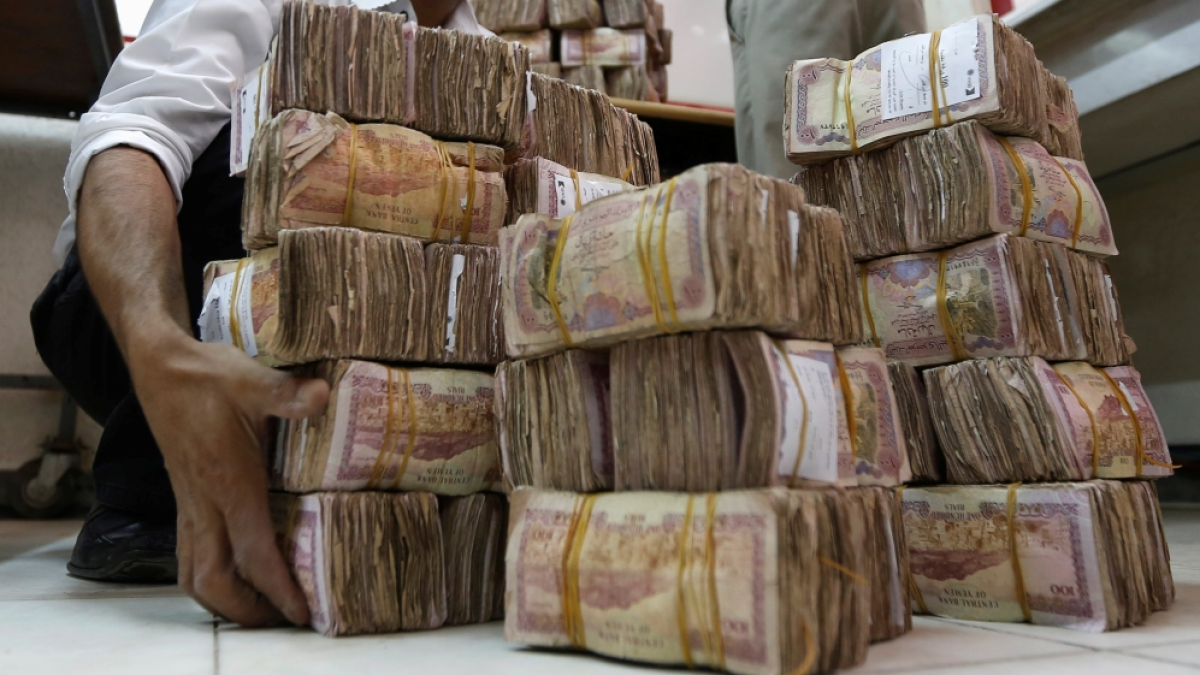

The Yemeni government’s recent measures to stabilize the national riyal have inadvertently triggered a severe liquidity crisis, presenting a significant challenge to the archipelago’s economic stability. While the central bank’s actions – including the closure of unauthorized exchange firms and a centralized remittance system – have curbed currency speculation and, initially, reduced the riyal’s freefall, the resulting shortage of local cash is impacting business operations, consumer access, and potentially hindering broader economic recovery. This situation carries considerable implications for Yemen’s financial sector, sovereign capital management, and future infrastructure development.
The liquidity crunch is manifesting as widespread cash shortages across government-controlled areas, crippling businesses and creating a parallel market. Businesses, particularly those reliant on Saudi Riyal transactions, are struggling to access local currency, forcing many to close operations or operate at reduced capacity. The issue is compounded by the government’s practice of disbursing salaries in low denominations, further exacerbating the problem. This situation underscores the complexities of economic reforms in a context of ongoing conflict and instability. While the central bank has acknowledged the shortage and outlined preventative measures, the effectiveness of these policies remains uncertain. The potential for capital flight and reduced investment remains a key concern, particularly given the vulnerability of Yemen’s sovereign wealth and the need for sustained economic diversification.
The ripple effects of this liquidity crisis will be felt across various sectors. Sovereign capital, already strained by years of conflict and revenue shortfalls stemming from the war, is being further burdened. Venture capital activity is likely to dwindle as investment confidence erodes. Furthermore, the cash shortage complicates the development of crucial regional infrastructure projects. Many projects rely on the timely availability of funds in Yemeni Riyals, and delays in currency conversion or access to capital could derail progress. The dependence on Saudi Riyals for trade and remittances also highlights the limitations of relying solely on external financial flows for economic sustenance, a structural challenge to be addressed by diversifying Yemen’s economic base and strengthening its own financial institutions.
Addressing this crisis will require a multifaceted strategy involving fiscal discipline, monetary policy adjustments, and potentially, increased regional financial support. The Yemeni government must prioritize measures to bolster its own revenue streams, improve fiscal management, and foster greater financial inclusion. Robust engagement with regional financial institutions, particularly those with expertise in crisis management, will be essential. While the situation presents significant headwinds, effective crisis management and a clear path toward sustainable economic reform are crucial for fostering long-term stability and enabling Yemen to participate meaningfully in the broader regional economic landscape. Failure to do so risks prolonging economic hardship and impeding the country’s future development potential.