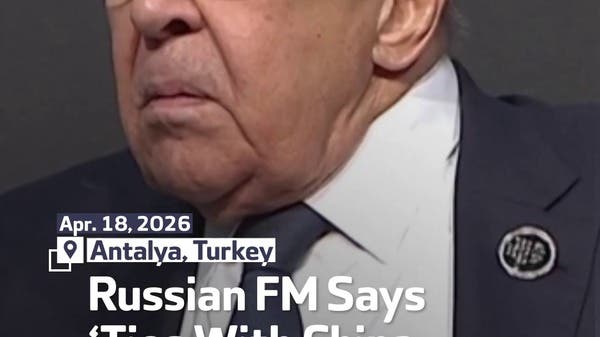

The deepening strategic alignment between Moscow and Beijing, characterized by Russian Foreign Minister Sergey Lavrov as exceeding the parameters of a formal military alliance, signals a fundamental shift in Eurasian geopolitical architecture. For the MENA region, this consolidation accelerates a pivot toward a multipolar financial system, incentivizing Gulf Cooperation Council (GCC) states to further diversify their reserve assets and trade settlements away from Western-dominated frameworks. The strengthening of the Russo-Chinese axis provides a blueprint for alternative economic blocs, placing increased pressure on traditional security paradigms in the Middle East.
From a sovereign capital perspective, this alignment creates a complex arbitrage opportunity for sovereign wealth funds (SWFs) in the region. As Russia and China integrate their energy markets and financial plumbing, MENA investors are likely to increase allocations toward “non-aligned” infrastructure and technology corridors. We anticipate a surge in bilateral investment treaties focused on energy logistics and digital trade, as regional powers seek to hedge against secondary sanctions risks while capturing the efficiencies of a synchronized Eurasian trade bloc.
The technological implications are equally stark. The Russia-China synergy is poised to accelerate the deployment of non-Western telecommunications and payment infrastructure across the Middle East and North Africa. Venture capital flows are expected to pivot toward regional startups that integrate with the BRICS+ ecosystem, particularly in fintech, cybersecurity, and AI. This transition threatens to fragment the regional tech stack, forcing MENA governments to balance critical infrastructure dependency between Western vendors and an increasingly integrated Sino-Russian technological offering.