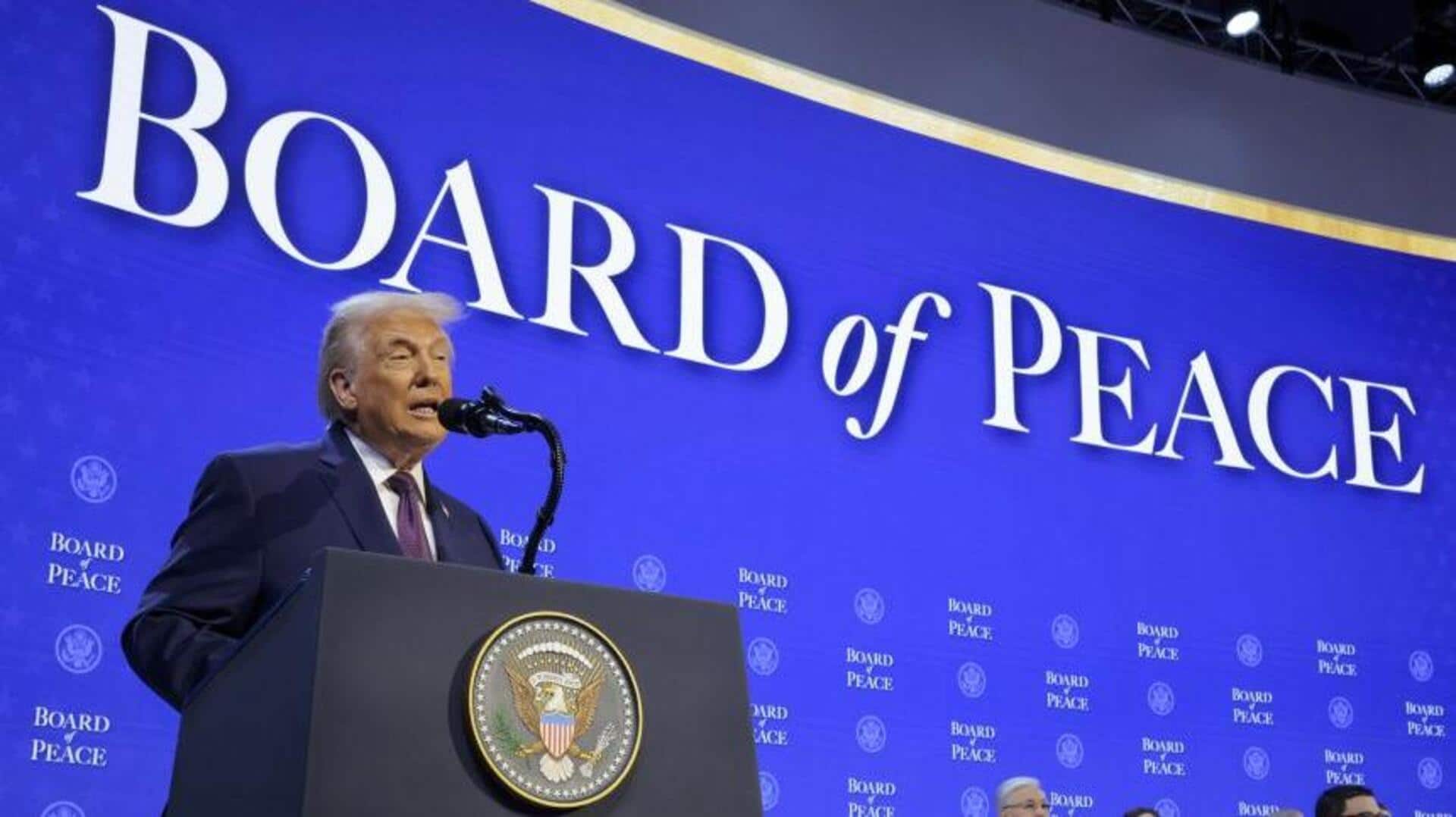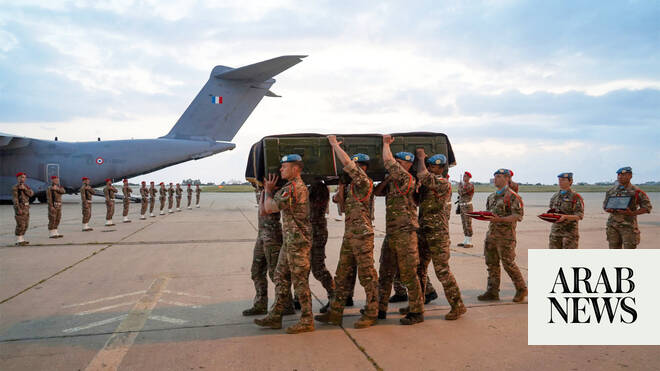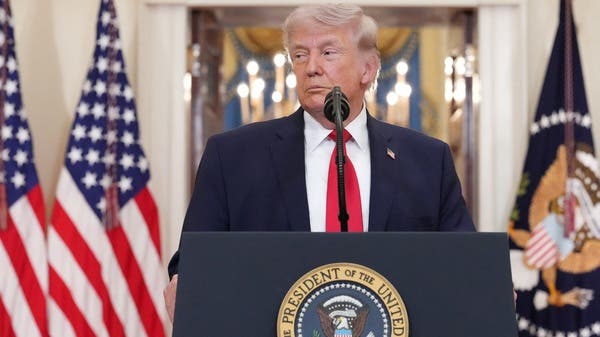

Donald Trump’s announcement of a 10‑day ceasefire between Israel and Lebanon, backed by a U.S.‑facilitated roadmap toward a permanent settlement, introduces a pivotal inflection point for sovereign‑capital allocations across the Middle East and North Africa. The prospect of a stabilized border region reduces geopolitical risk premia that have hitherto constrained cross‑border infrastructure projects, thereby unlocking liquidity for sovereign wealth funds seeking exposure to reconstruction pipelines in southern Lebanon and the broader Levant.
The ceasefire’s conditional framework—requiring Hezbollah’s disarmament and the establishment of a 10‑kilometre security zone—creates a clear set of regulatory milestones that attract venture‑capital interest in high‑growth sectors such as telecoms, fintech, and renewable‑energy micro‑grids. Early‑stage investors are poised to mobilise capital to rebuild fragmented supply chains, especially in logistics corridors that link Beirut’s port to the burgeoning Gulf markets, a development that could reshape regional trade‑flow dynamics within the next 12‑18 months.
From an infrastructure standpoint, the anticipated normalization of cross‑border movements is expected to accelerate the rollout of the Eastern Mediterranean Energy Initiative, a multi‑billion‑dollar programme aimed at integrating offshore gas discoveries with terrestrial transmission networks stretching from Cyprus through Lebanon to Jordan. Sovereign lenders and multilateral development banks are likely to prioritise financing for these grid extensions, viewing them as strategic assets that reinforce energy security and foster inter‑regional economic interdependence.
Overall, the ceasefire offers a calibrated de‑risking of the Levant theatre, enabling sovereign‑capital managers and venture investors to re‑evaluate exposure to MENA markets with a more pronounced focus on scalable, infrastructure‑linked opportunities. The resulting re‑allocation of funds is poised to catalyse a new wave of cross‑border projects, reinforcing the strategic pivot toward a more integrated, and ultimately, resilient regional economy.