
The ongoing instability within the Middle East and North Africa presents a profoundly complex and evolving challenge to the region’s economic trajectory and, crucially, the flow of capital. Recent discussions amongst global financial leaders, as highlighted by Faisal Islam’s reporting, consistently underscore the immediate threat to regional GDP growth and the potential for a protracted period of diminished investment. While the precise scale of the economic fallout remains uncertain, the disruption to established trade routes, coupled with heightened geopolitical risk, is already triggering significant contractions in key sectors – particularly tourism, hospitality, and energy – impacting sovereign revenues and necessitating immediate fiscal adjustments across numerous nations. The reliance on hydrocarbon exports, a cornerstone of many MENA economies, is increasingly vulnerable to fluctuating global prices and, more importantly, the redirection of investment away from the region due to heightened uncertainty.
A critical element of this evolving landscape is the shifting dynamics of sovereign wealth funds and institutional investors. Traditionally, these entities have been significant drivers of growth, deploying capital into infrastructure projects and private equity ventures. However, the current environment is prompting a strategic recalibration. We are witnessing a demonstrable shift towards risk mitigation, with increased allocations towards safer, more liquid assets – primarily in Western markets – and a demonstrable reluctance to commit substantial new capital to high-risk, long-term projects within the MENA region. This contraction in sovereign capital is directly impacting the venture capital ecosystem, which has historically relied heavily on these funds for seed and early-stage financing. The resulting scarcity of capital is forcing startups to prioritize survival over expansion, potentially stifling innovation and hindering the development of crucial digital technologies.
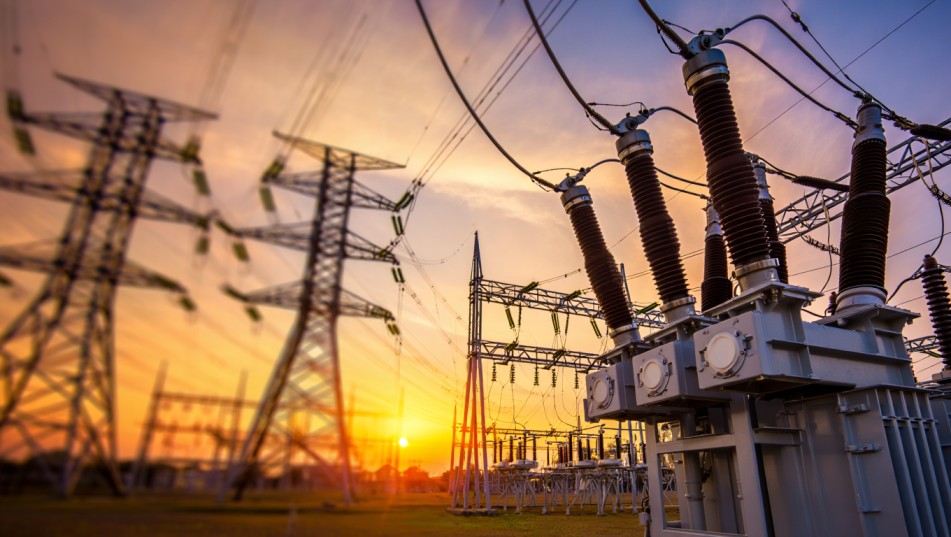
Furthermore, the conflict and associated instability are exposing critical deficiencies in regional infrastructure. The need for modernized transportation networks, reliable energy grids, and robust digital connectivity has never been more apparent. The redirection of resources towards security and humanitarian aid, while undeniably vital, is diverting funds away from long-term development initiatives. This creates a vicious cycle, exacerbating existing vulnerabilities and hindering the region’s ability to attract foreign direct investment. Addressing these infrastructural gaps requires a concerted effort from regional governments, international development banks, and private sector partners – a challenge complicated by the ongoing security concerns and the diminished capacity of local institutions.
Looking ahead, the long-term impact hinges on the resolution of the conflict and the implementation of credible, sustainable peace initiatives. However, even in a scenario of improved stability, the damage to investor confidence and the disruption to established economic relationships will likely persist for years. The region’s ability to leverage its technological potential – particularly in fintech, renewable energy, and digital services – will be paramount to its future economic recovery, but this potential will remain largely untapped without a significant and sustained injection of both sovereign and private capital, alongside a demonstrable commitment to institutional reform and a reduction in geopolitical risk.