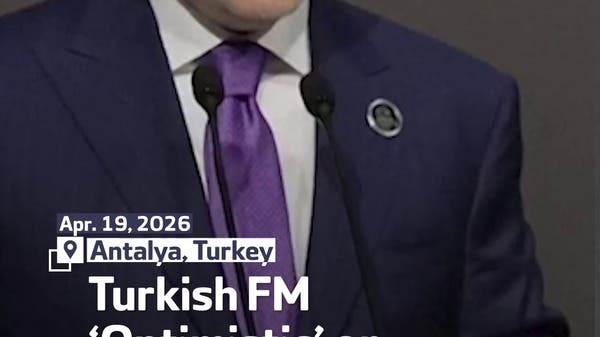

The Turkish government has reiterated its confidence that the United States will press ahead with a planned extension of the ceasefire that has temporarily halted fighting in the underground tunnel network between Iran and Iraq. Ankara’s Foreign Minister, Mevlüt Çavuşoğlu, cited the United States’ diplomatic leverage and the strategic interest of the Iranian leadership in averting a full‑scale war as key factors for encouraging Washington’s commitment to prolong the truce.
For the MENA region, the extension carries significant implications for sovereign capital flows. A prolonged calm in Iran’s narco‑tunnel disputes reduces the risk premium on Iranian debt instruments and improves the country’s sovereign credit outlook. Gulf economies and Saudi Arabia, which have historically financed projects in Iran through sovereign wealth vehicles, may find renewed opportunities in securing better terms and accessing low‑cost capital. Simultaneously, a stable ceasefire can temper market volatility across Levant and Persian Gulf financial centres, fostering a more predictable environment for cross‑border investment flows.
From a venture‑capital perspective, the ceasefire prolongation heralds a possible uptick in cross‑border venture syndicates focused on technology transfer and petro‑energy. An extended lull offers venture funds more time to conduct due diligence on Iranian and Iraqi tech entrepreneurs, many of whom are engaged in cybersecurity and renewable‑energy startups that could synergise with Western and Asian technology pipelines.
At the infrastructure level, the regional disruption that the tunnel conflict has inflicted on oil and gas pipelines—specifically those linking Russian and Kurdish energy territories—will likely ease, allowing for the rehabilitation of critical transmission corridors. Kuwait and UAE-based infrastructure conglomerates may, therefore, secure further bids for pipeline maintenance and upgrade projects, benefiting from the reduced cost of foreign technical assistance and the opportunity to deploy advanced monitoring systems. The combined effect of stabilized sovereign risk, heightened venture potential, and infrastructure revitalisation positions the MENA region to recover its pre‑conflict momentum within the next 12 to 18 months.