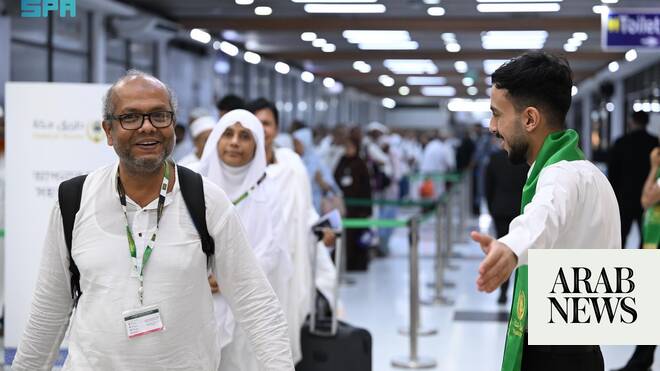

Saudi Arabia’s Makkah Route, now in its eighth year, has become a strategic vehicle for channeling sovereign wealth into the Kingdom’s broader Vision 2030 agenda. By allocating 179,210 Hajj slots to Pakistan—118,000 of them under a state‑backed scheme—the Kingdom is leveraging pilgrim traffic to stimulate demand for Saudi‑based hospitality, transport and logistics services, creating a predictable revenue stream that underpins private‑sector investment. The coordinated rollout across 17 entry points in ten countries, now encompassing Senegal, Brunei and a growing cohort of South‑Asian markets, expands the fiscal footprint of the pilgrimage sector, attracting ancillary financing from regional sovereign wealth funds eager to tap into the high‑margin ancillary services ecosystem.
For venture capitalists and growth‑stage investors, the Makkah Route’s digitalization of visa issuance, health screening and baggage handling signals a fertile market for fintech, health‑tech and supply‑chain platforms. The initiative’s end‑to‑end electronic processing, executed at departure airports, creates a data‑rich environment ripe for analytics‑driven solutions that can optimise passenger flows, predictive maintenance of fleet assets and personalized pilgrim services. Early‑stage firms that can integrate with Saudi ministries’ APIs stand to secure strategic partnerships and co‑investment from the Public Investment Fund (PIF) and other Gulf sovereign investors seeking to diversify beyond oil‑centric portfolios.
Infrastructure development is another direct beneficiary. The surge in dedicated bus fleets, pre‑sorted luggage streams and specialised terminal facilities at Prince Mohammed bin Abdulaziz International Airport and King Abdulaziz International Airport necessitates substantial upgrades to ground‑handling capacity, runway utilisation and inter‑city transport corridors. These capital‑intensive projects are being financed through a blend of sovereign bonds, public‑private partnership (PPP) frameworks and export‑credit facilities, reinforcing the Kingdom’s ambition to position its Hajj infrastructure as a regional hub for mass‑movement logistics.
Overall, the Makkah Route exemplifies how a religious pilgrimage programme can be transformed into a catalyst for macro‑economic diversification. By aligning pilgrim services with the Kingdom’s Vision 2030 priorities—digital transformation, sovereign wealth deployment, and infrastructure resilience—the initiative not only enhances the pilgrim experience but also generates a multi‑billion‑dollar ecosystem that invites deeper participation from regional governments, private capital and the emerging venture community across the MENA landscape.