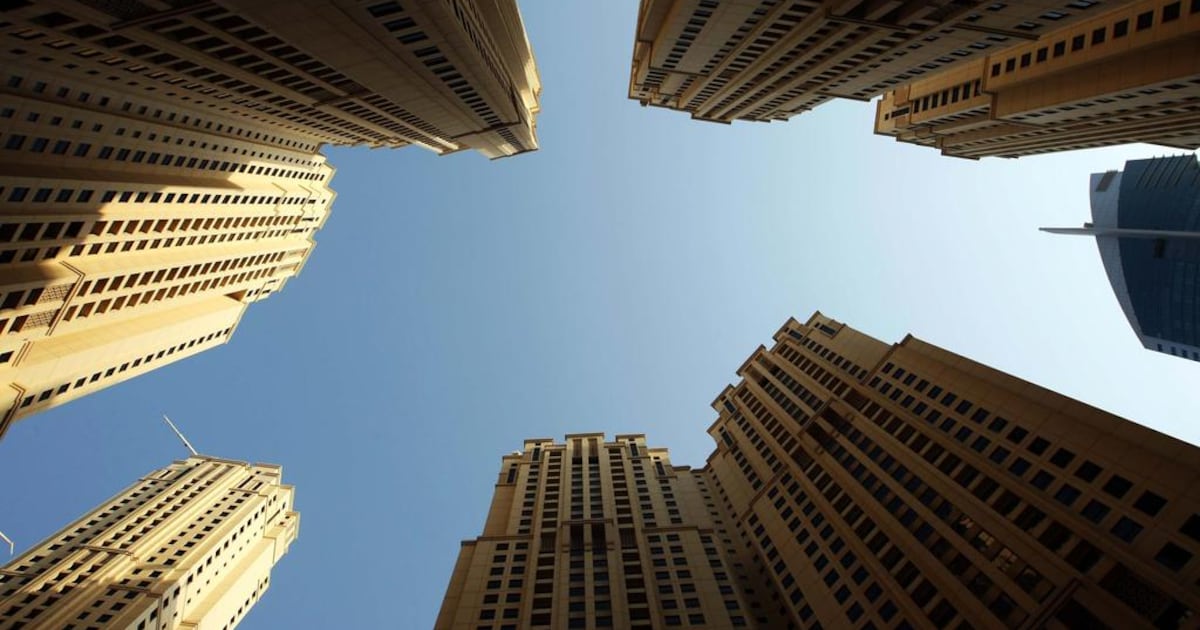

Dubai’s first‑quarter rental market delivered contracts worth Dh32.2 billion ($8.8 billion), a figure that cements the emirate’s position as the region’s pre‑eminent property hub. The 118,385 new leases and 135,607 renewals demonstrate a resilient supply‑demand balance, bolstered by the Land Department’s codified regulatory framework. For sovereign funds and private equity, the sustained transaction volume signals a low‑volatility investment environment, encouraging further capital inflows into residential and mixed‑use developments that underpin Dubai’s broader master plans.
The quarter also saw the issuance of 3,599 real‑estate licences across brokerage, leasing, valuation and development sectors. This diversification of ancillary services—ranging from mortgage brokering to auction management—reflects a maturing ecosystem that supports deepening liquidity and risk mitigation for issuers and investors alike. The licence data underline a growing pipeline for technology‑enabled property platforms, which are increasingly critical to capturing the megatrends of fintech and prop‑tech that dominate the MENA funding landscape.
Geopolitical tensions, notably the February 28 airstrikes, posed a shock test that the market weathered without a discernible contraction in activity. Sovereign enterprises and diaspora investors continued to engage, signalling confidence in Dubai’s legal and fiscal safeguards. Moreover, the UAE’s incentives—such as the expanded Golden Visa and digital nomad residency programs—are driving a surge of foreign‑direct investment (FDI) into property, sharpening the emirate’s competitive edge against other Gulf markets.
For regional infrastructure, the stability in the rental market feeds directly into broader fiscal planning. Steady rent levels translate into predictable cash flows for government‑backed housing programmes and public‑private partnership projects targeting affordable and luxury segments. As investment in smart‑city technologies escalates, the reliability of property revenues will underpin long‑term financing structures, ensuring that Dubai stays at the forefront of MENA’s transformation towards a knowledge‑based economy.