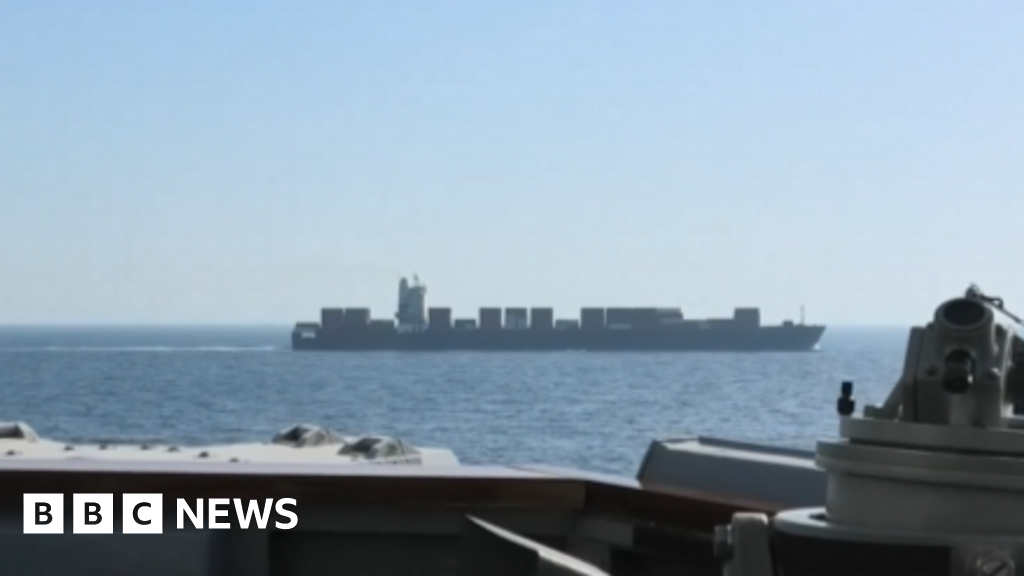

The Middle East and North Africa region faces a pivotal turning point as global stakeholders prepare for an intensified diplomatic and financial negotiation cycle. In the wake of recent developments, Tehran has refrained from issuing a public statement regarding the incident, signaling continued strategic caution amid the broader geopolitical recalibration. This silence is significant, particularly as the United States advances into a second phase of discussions aimed at resolving the matter. For regional sovereign entities, the absence of a clear response underscores the delicate balance between domestic priorities and the mounting pressure from international financial institutions.
The implications of this strategic hesitation extend far beyond diplomatic theater, touching the core of sovereign capital flows and the evolving investment climate across MENA markets. As sovereign wealth funds and institutional investors closely monitor developments, any shift in policy from states in the region will reverberate through bond markets, infrastructure projects, and cross-border partnerships. The financial sector stands at a crossroads, where timely action could stabilize volatile capital markets and reaffirm the region’s role as a key hub for technological innovation and investment opportunity.
Meanwhile, venture capital ecosystems across the Gulf and beyond are recalibrating their risk assessments in light of this uncertain trajectory. Investors are increasingly prioritizing regional stability, and the lack of clarity from a major power such as Iran may alter the risk-return calculus for both private and institutional capital. As infrastructure projects—critical to the economic transformation plans of several MENA nations—move forward, the ability to align financial commitments with governmental signals will determine the momentum and success of these transformative initiatives. The region must now prove its cohesion not only at the political level but in the decisive domains of capital and technology.