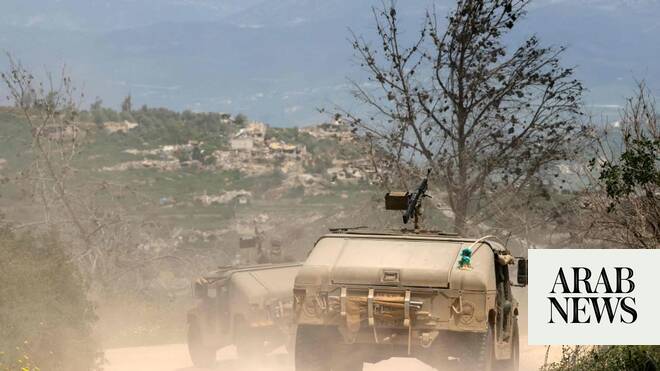

Recent reports regarding an incident involving a member of the Israeli military have triggered a complex and potentially destabilizing ripple effect across the Middle East and North Africa. While the details remain limited – currently confined to a statement of “great severity” from Israeli authorities – the international response, spearheaded by the United States, underscores the heightened sensitivity surrounding regional security and the potential for escalation. This incident, regardless of its specific nature, serves as a stark reminder of the fragility of existing diplomatic efforts and the enduring impact of military actions on broader geopolitical dynamics.
The immediate business impact centers on increased risk aversion within the MENA region’s financial sector. Sovereign wealth funds, traditionally significant investors in both regional and international assets, are likely to reassess their portfolios, particularly those with exposure to Israeli entities or sectors perceived as vulnerable to instability. Venture capital activity, already facing headwinds due to global economic uncertainty, could experience further contraction as investors prioritize defensive strategies. Furthermore, the heightened security environment will undoubtedly impact tourism and hospitality sectors, particularly in countries bordering the conflict zone, leading to potential revenue shortfalls and necessitating strategic adjustments in marketing and operational plans. The potential for broader sanctions or trade restrictions, even if indirect, represents a significant threat to regional economic growth.
Crucially, this situation highlights the evolving role of sovereign capital within the MENA region. Traditionally reliant on external investment, many nations are increasingly recognizing the need to bolster domestic financial resources and develop independent investment strategies. The incident is accelerating this trend, prompting discussions around establishing regional investment funds focused on mitigating geopolitical risk and diversifying economic dependencies. Simultaneously, the need for robust regional infrastructure – particularly in cybersecurity and communications – is becoming increasingly apparent. Reliable and secure digital networks are vital for maintaining economic stability and facilitating international trade in the face of heightened uncertainty, demanding significant investment and strategic planning across the region.
Looking ahead, the long-term implications extend beyond immediate economic concerns. The incident reinforces the imperative for sustained diplomatic engagement and conflict resolution mechanisms. Furthermore, it necessitates a re-evaluation of regional security architectures, potentially accelerating efforts towards greater regional cooperation and the development of shared security protocols. The stability of the MENA region – and its ability to attract sustained investment – hinges on a concerted effort to de-escalate tensions and foster a more predictable and secure operating environment.