
The ongoing strategic contest in the strategically vital Strait of Hormuz underscores the profound business and geopolitical ramifications for the Middle East and North Africa. As the region’s sovereign capital markets face increasing uncertainty, the tightened regulatory measures—often framed as a response to the United States’ persistent embargo—are sending clear messages of resistance and retribution. This escalation not only impacts sovereign capital flows but also compels international investors and capital flows to recalibrate, fearing heightened volatility and policy unpredictability. For the broader MENA financial sector, these developments underscore the dual pressure on both public and private capital, necessitating robust risk management strategies.
Sovereign capital in the region is experiencing renewed scrutiny as governments seek to assert control over critical chokepoints like the Strait of Hormuz. With diplomatic channels operating under pressure and international demand for transparency intensifying, investors must navigate a complex landscape where strategic autonomy intersects with market stability. Meanwhile, venture capital ecosystems in the Gulf are adapting to these challenges by prioritizing resilience and diversification, recognizing that the region’s economic future hinges on its ability to buffer shocks from external policy swings. Such dynamics further reinforce the imperative for regional players to align financial institutions with evolving geopolitical realities.
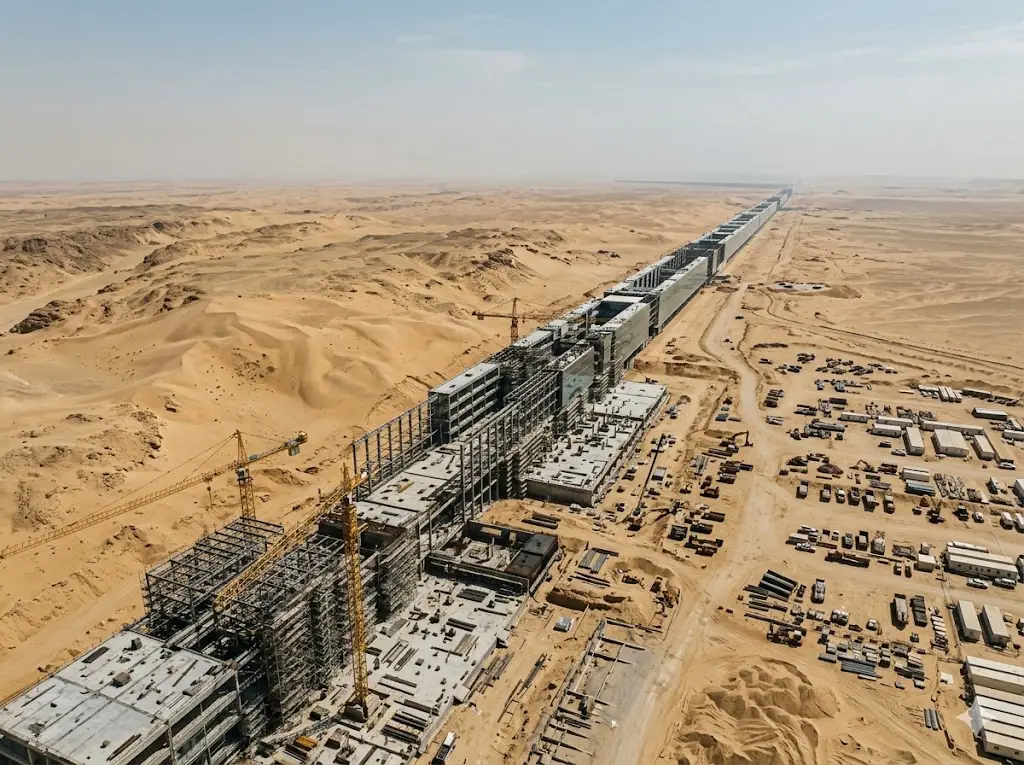
Regional infrastructure projects are being recalibrated in light of Iran’s hardening stance and subsequent impacts on global supply chains. The Middle East and North Africa, long dependent on reliable energy corridors, now face a recalibration of investment priorities, with infrastructure developers stressing contingency planning to mitigate potential disruptions. In the meantime, the United States’ shifting posture in discussions surrounding the Strait of Hormuz signals a pivotal juncture—one where the alignment of economic policy and regional security imperatives will determine the resilience of trading flows and long-term capital commitments throughout the area. The convergence of these factors demands an institutional understanding of the sector’s vulnerabilities and growth vectors.