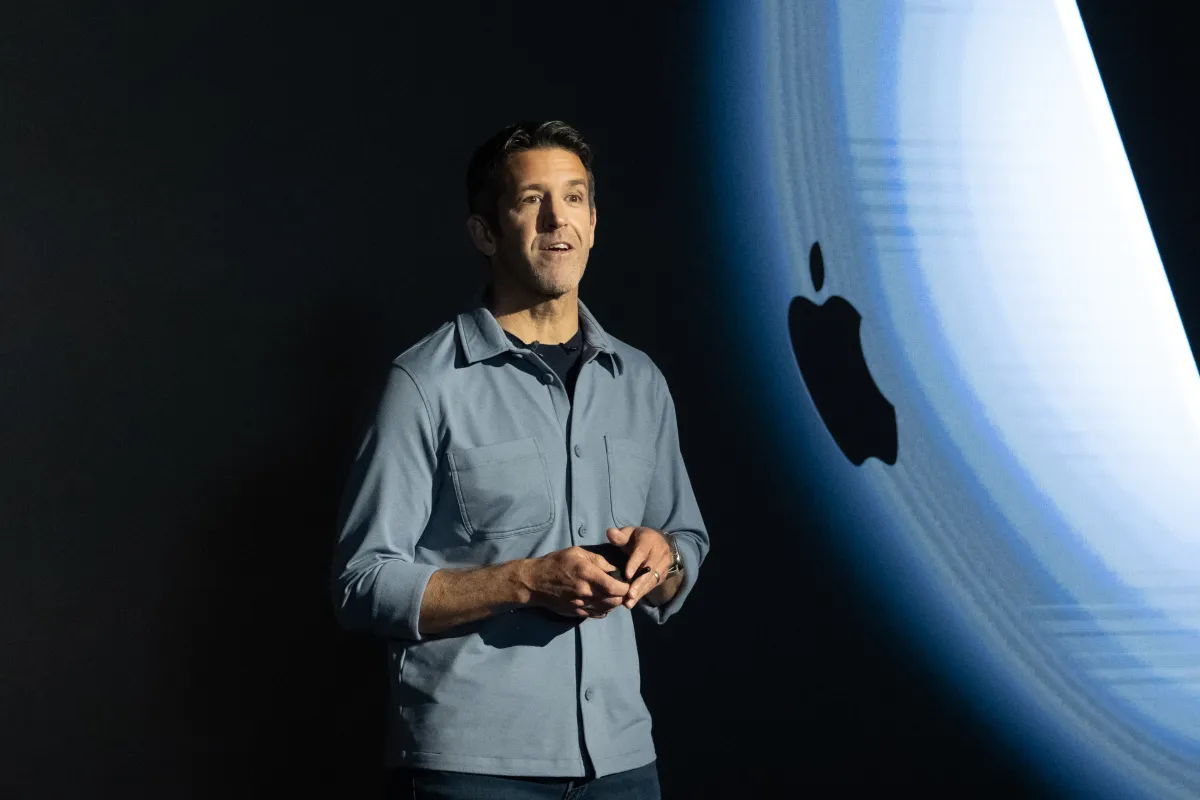

John Ternus’s ascension to Apple’s CEO marks a strategic pivot for the world’s most valuable technology company, with profound implications for the MENA region’s business landscape. Ternus, known for his hardware-centric approach and stewardship of Apple’s transition to proprietary silicon, brings a renewed emphasis on innovation in tangible products. For MENA, this could translate to enhanced investment in localized hardware solutions tailored to regional needs, such as cost-effective devices leveraging Apple’s ecosystem or advancements in AR/VR technologies like the Vision Pro. Such developments may catalyze sovereign capital allocation toward digital infrastructure projects, as MENA governments seek to align with global tech trends while addressing economic diversification goals. The shift under Ternus could also spur private-sector partnerships, with tech firms in the region positioning themselves as key suppliers or collaborators in Apple’s supply chain, bolstering local manufacturing and tech hubs in cities like Dubai, Tel Aviv, or Casablanca.
The move underscores the growing intersection of sovereign capital and venture capital in the MENA tech ecosystem. Ternus’s focus on hardware innovation may encourage sovereign funds, particularly in GCC states, to direct capital toward Apple-aligned ventures, such as semiconductor R&D or AI-driven infrastructure. This could mirror broader trends where regional governments leverage national funds to support tech infrastructure that aligns with Apple’s strategic priorities. Simultaneously, venture capitalists in the region may pivot toward AR/VR startups or hardware-specialized firms, anticipating increased investment from Apple or corporate Partner programs. However, this dependency could also centralize tech leadership, raising concerns about the region’s ability to cultivate indigenous innovation beyond Apple’s ecosystem. The balance between attracting foreign capital and fostering local entrepreneurship will be critical for MENA’s long-term tech competitiveness.
Regionally, Ternus’s leadership highlights the urgency of infrastructure modernization to support next-generation technologies. The Vision Pro, requiring robust data centers and high-speed connectivity, could act as a catalyst for MENA to upgrade its digital backbone. Countries like Saudi Arabia or the UAE are already investing heavily in 5G and cloud infrastructure; Apple’s hardware focus may amplify this trend, pressuring governments to expedite projects that enable seamless AR/VR adoption. Moreover, Ternus’s emphasis on craftsmanship and localized manufacturing could influence MENA’s push for circular economy initiatives, with sovereign capital funding local production of high-value tech components. This shift may also drive demand for specialized skills in hardware engineering and AI, prompting educational reforms and public-private partnerships to bridge talent gaps in the region’s tech sector.