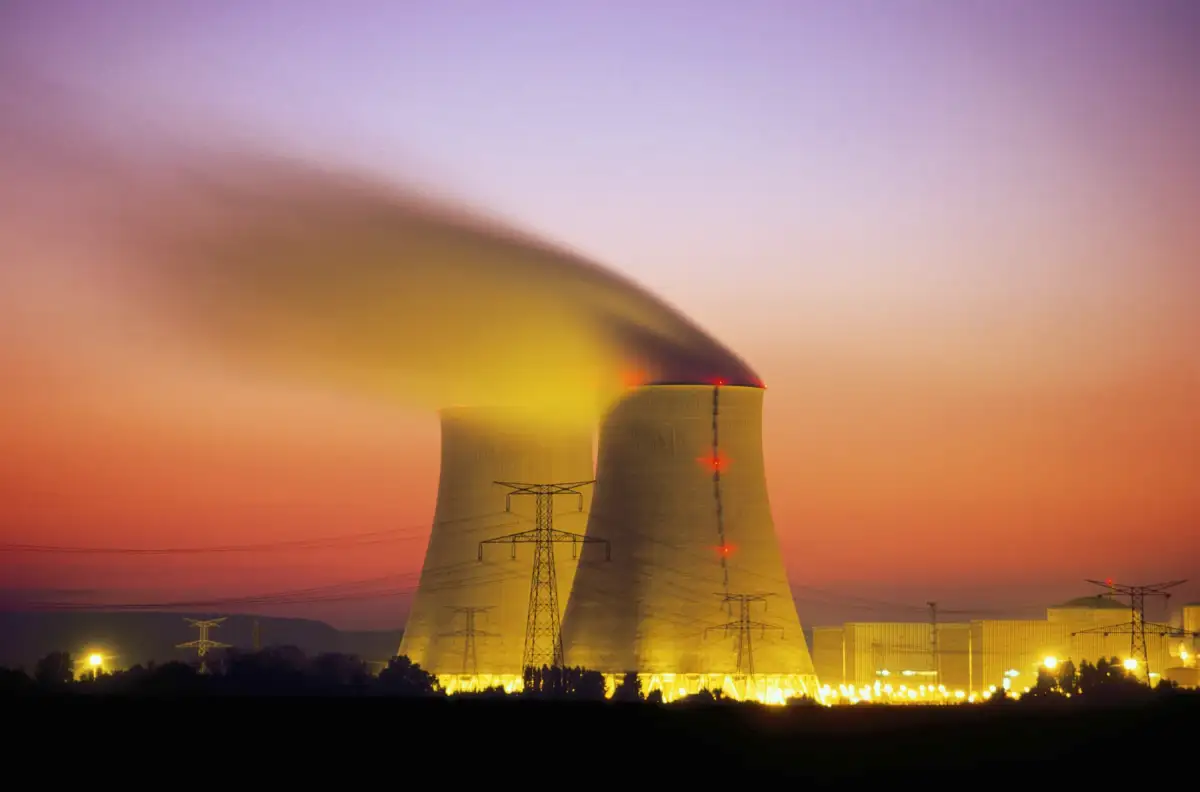

Blue Energy’s reconceptualization of nuclear reactor construction through shipyard-based manufacturing represents a paradigm shift with profound implications for the Middle East and North Africa (MENA). As global demand for decarbonized baseload power intensifies, MENA nations—many grappling with soaring energy needs driven by population growth, urbanization, and economic diversification—are reassessing nuclear energy as a strategic asset. Traditional reactor projects, plagued by cost overruns and delays, remain politically and financially untenable for the region. However, Blue Energy’s approach, which leverages prefabrication and modular construction to slash timelines and expenses, could catalyze comparable reactor deployments in MENA. By reducing construction costs by an estimated 30–40% compared to conventional methods, this model aligns with sovereign fiscal constraints while offering a viable pathway to meet net-zero commitments. The business case hinges on predictability: in a region where energy infrastructure projects often exceed budgets, a standardized, scalable methodology could unlock financing and operational confidence, positioning nuclear as a competitive component of hybrid energy portfolios.
The $380 million financing round spearheaded by VXI Capital and other institutional backers underscores the appetite for innovation in MENA-focused energy tech. Sovereign capital, particularly from Gulf states like Saudi Arabia and Egypt, which have pledged trillions to energy transitions, may view Blue Energy’s vertically integrated model as a lower-risk alternative to traditional nuclear ventures. This aligns with regional strategies to attract private capital through de-risked frameworks. Similarly, venture capital ecosystems in MENA, spurred by tech advancements and ESG mandates, are increasingly targeting large-scale infrastructure plays. Blue Energy’s success could signal a broader trend where early-stage investment migrates from software to physical asset innovation, particularly in sectors vital to long-term stability. For regional governments, this represents an opportunity to position MENA as a hub for next-generation energy solutions, bolstering sovereignty over critical infrastructure while mitigating reliance on volatile fossil fuel markets.
Regionally, Blue Energy’s shipyard-centric model could redefine MENA’s infrastructure development landscape. The proposed barge transportation of reactor components via waterways—leveraging the Nile, Niger, and Persian Gulf—directly addresses geographic logistical challenges faced by landlocked or coastal nations. This mirrors MENA’s existing strengths in maritime logistics and could spur investments in port modernization and inland waterway development. More strategically, the emphasis on modularity and factory-like production may encourage local manufacturing hubs specializing in nuclear components, fostering job creation and industrial diversification. However, adoption will depend on regulatory harmonization and risk-sharing mechanisms tailored to sovereign frameworks. While challenges such as nuclear safety protocols and geopolitical sensitivities persist, Blue Energy’s model exemplifies how technological innovation can overcome MENA’s energy trilemma—securing affordability, clean energy, and strategic autonomy in a highly competitive global market.