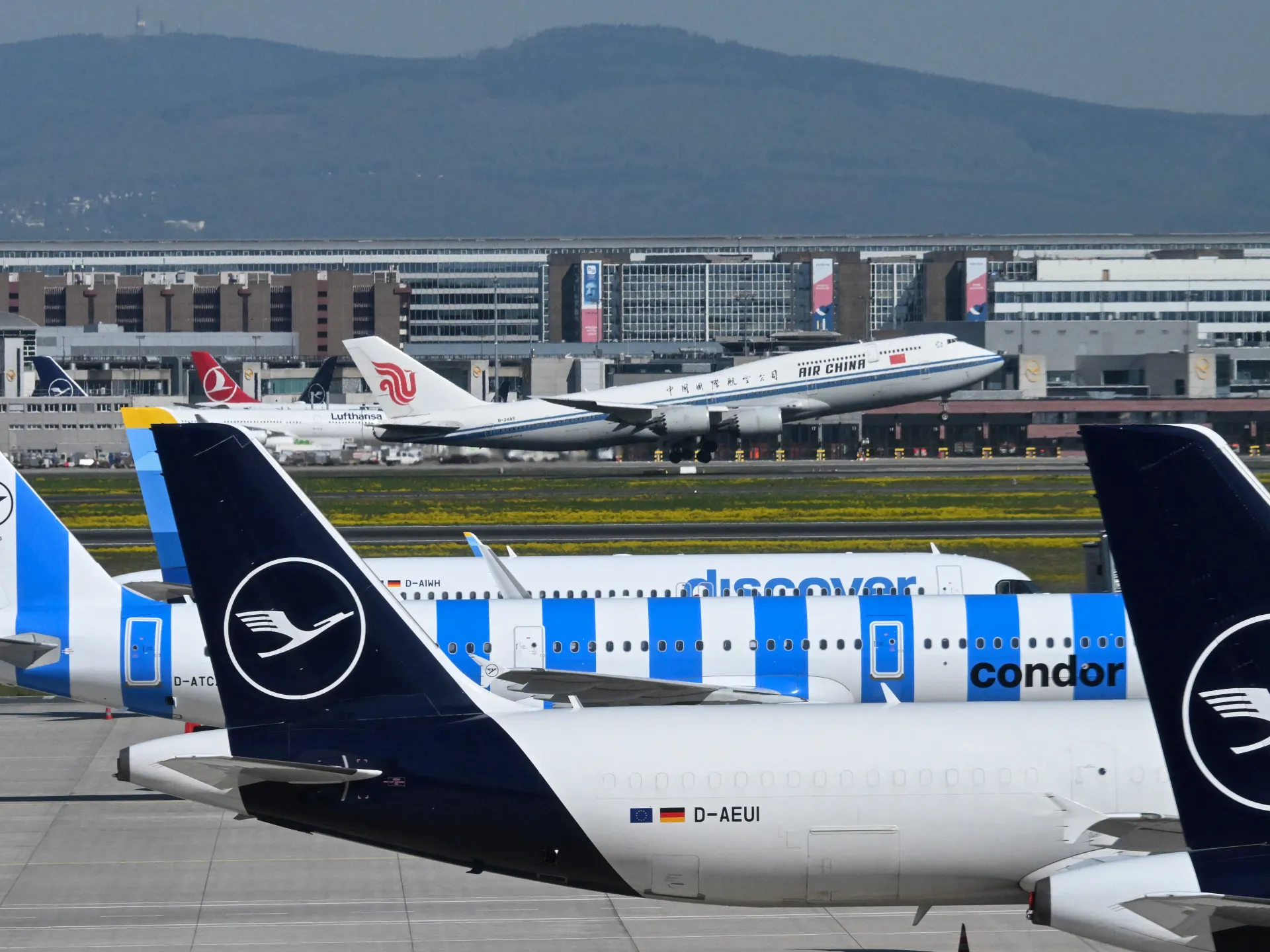

Germany’s flagship carrier Lufthansa Group announced the cancellation of roughly 20,000 short‑haul services through October, a move directly tied to the jet‑fuel shock emanating from the Iran‑U.S. confrontation in the Strait of Hormuz. By pruning marginal routes and concentrating capacity at Frankfurt and Munich hubs, Lufthansa expects to spare an estimated 40,000 tonnes of jet fuel – a material cost saving that underscores how volatile energy markets are reshaping airline unit economics across the continent.
The disruption has immediate ramifications for sovereign capital flows in the Middle East and North Africa (MENA). Europe imports close to three‑quarters of its jet fuel from the region, meaning any supply curtailment forces downstream refineries and logistics firms to seek alternative financing or state‑backed guarantees to bridge the gap. In turn, Gulf sovereign wealth funds and state‑owned energy enterprises are likely to accelerate capital deployment into downstream capacity, storage hubs and pipeline projects designed to desensitise the supply chain from geopolitical choke points.
Venture capitalists with exposure to aviation‑related technologies in MENA are poised to see a recalibration of investment theses. Start‑ups that provide fuel‑efficiency analytics, alternative‑fuel certification, or AI‑driven route optimisation are now more attractive, as airlines scramble for tools that can mitigate exposure to price spikes. Early‑stage funds targeting the region’s cleantech ecosystem may benefit from heightened policy incentives, while larger corporate venture arms of regional oil majors could deepen their foothold in the emerging low‑carbon aviation market.
Infrastructure planners across the Gulf and North Africa are also compelled to reassess long‑term freight and passenger connectivity strategies. The crisis accentuates the strategic value of expanding refinery output, building dedicated jet‑fuel terminals at key airports, and investing in digital twin platforms that improve inventory visibility. For policymakers, the episode reinforces the urgency of diversifying energy portfolios and securing reliable fuel pipelines, lest the region’s reputation as the world’s primary aviation‑fuel supplier be compromised by conflict‑induced supply shocks.