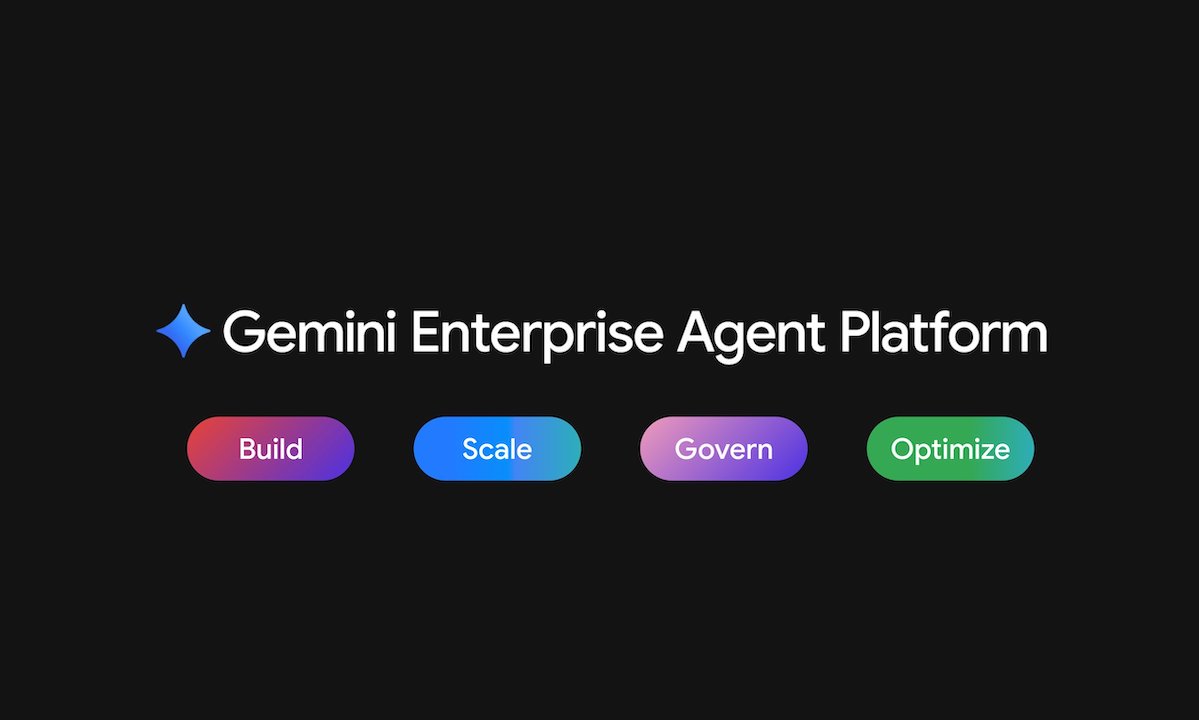

Google’s unveiling of the Gemini Enterprise Agent Platform represents a significant strategic shift within the burgeoning enterprise AI landscape, carrying substantial implications for the Middle East and North Africa (MENA) region. The platform’s unified approach – encompassing agent development, deployment, data integration, security, and governance – directly addresses a critical bottleneck currently hindering widespread adoption of AI agents across industries: the fragmented, siloed tooling that has historically characterized this space. This consolidation promises to accelerate the deployment of AI-driven automation, fundamentally altering operational efficiencies and potentially reshaping competitive dynamics across the region’s economies.
The competitive pressure from Amazon Bedrock and Microsoft’s Foundry underscores a broader trend – the move beyond purely model-centric AI to a platform-driven ecosystem. For MENA, this translates to increased access to sophisticated AI capabilities, particularly for sovereign wealth funds and state-backed enterprises. Venture capital investment in AI startups within the region is already substantial, and the Gemini platform’s ease of use, coupled with its robust data integration capabilities, will likely spur further investment and innovation. However, the success of this transition hinges on the region’s ability to rapidly expand its digital infrastructure. Significant investment in cloud connectivity, data centers, and cybersecurity protocols will be paramount to fully leverage the platform’s potential, particularly for organizations operating across geographically dispersed assets – a common characteristic of many MENA businesses.
The emphasis on long-running agents and persistent memory – exemplified by Payhawk’s use case – is particularly relevant to MENA’s diverse operational contexts. Industries like logistics, financial services, and retail, which often operate across complex, multi-stage workflows, stand to benefit significantly. Furthermore, the platform’s integration with data sources like BigQuery and Pub/Sub, coupled with the Model Context Protocol, facilitates a crucial step: connecting AI agents to the specific, often proprietary, data sets that drive regional businesses. L’Oréal’s planned implementation highlights this trend, signaling a move towards autonomous orchestration rather than traditional workflow automation. This shift will require a concerted effort to standardize data governance practices and establish robust data lineage tracking – challenges that many MENA organizations are currently grappling with.
Finally, Google’s layered approach to governance – incorporating Agent Identity, Agent Registry, and Agent Anomaly Detection – directly tackles the critical security and compliance concerns that have historically tempered enterprise AI adoption. The region’s regulatory environment, while evolving, demands stringent data protection measures. The platform’s ability to provide an auditable trail of agent actions and enforce consistent security policies is therefore a key differentiator. However, the initial focus on IT and technical teams, as noted by TechCrunch, suggests a phased rollout, requiring careful consideration from regional businesses to ensure effective integration and ongoing operational oversight. The long-term success of the Gemini Enterprise Agent Platform will ultimately depend on its ability to foster trust and demonstrate tangible value across the MENA region’s diverse and increasingly digitized economies.