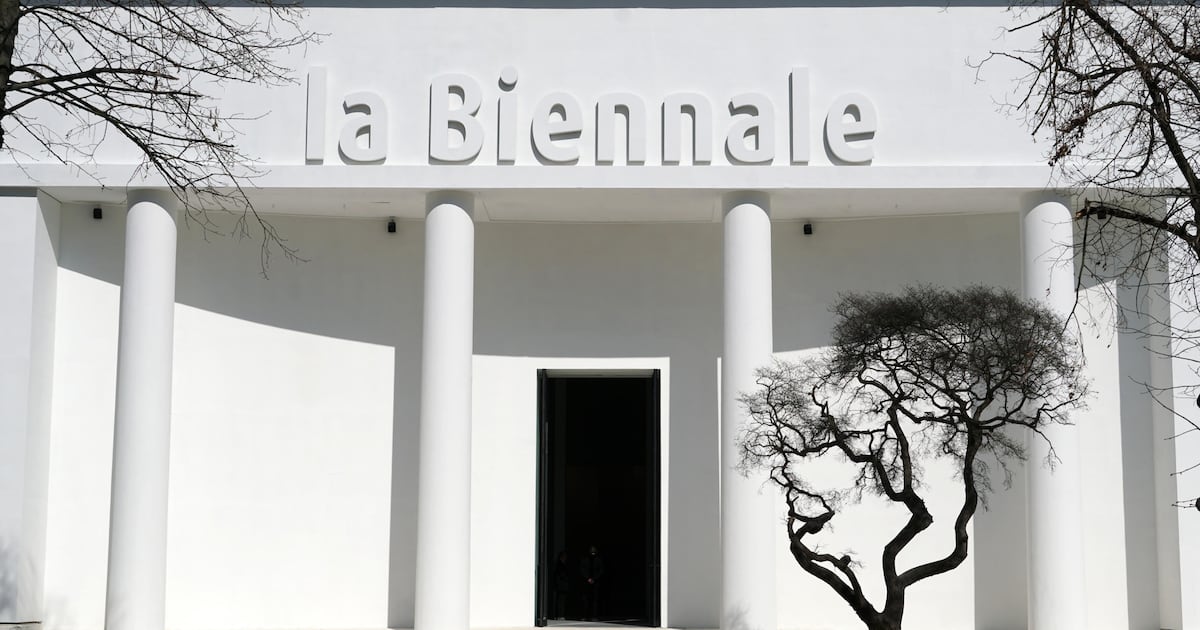

The Venice Biennale’s decision to exclude Russian and Israeli pavilions from consideration for top prizes represents a significant geopolitical recalibration with profound implications for the MENA region’s business ecosystem. This move by the international arts community creates immediate diplomatic friction that could influence sovereign investment flows across the Gulf Cooperation Council states, particularly in sectors where cultural diplomacy intersects with economic development. European sovereign wealth funds and institutional investors may reassess their exposure to Russia while simultaneously recalibrating investment strategies in the broader Mediterranean cultural landscape, with potential consequences for cross-regional infrastructure projects that bridge Europe and MENA.
From a venture capital perspective, this geopolitical realignment presents both challenges and opportunities for the growing cultural technology and creative industries ecosystems in MENA. Sovereign venture capital funds in the UAE, Saudi Arabia, and Qatar may pivot investments toward promoting narratives that reinforce their soft power positioning on the global stage, potentially accelerating funding for digital platforms, cultural start-ups, and immersive technologies that challenge Western cultural dominance. The exclusion of established cultural powers creates a vacuum that regional players are strategically positioned to fill, particularly through innovation in metaverse-based cultural exhibitions and blockchain-verified provenance systems that could capture market share from traditional cultural centers.
The regional infrastructure implications extend beyond the art world to broader MENA development strategies. As global cultural institutions disengage with certain nations, Gulf nations may increase investment in their own cultural infrastructure as part of economic diversification efforts, creating opportunities for construction and technology firms specializing in smart museum facilities, integrated cultural districts, and tourism-oriented infrastructure. This shift could catalyze public-private partnerships that position MENA not merely as oil economies but as cross-cultural bridges between East and West, potentially attracting new forms of sovereign investment in cultural resilience projects that withstand geopolitical volatility.