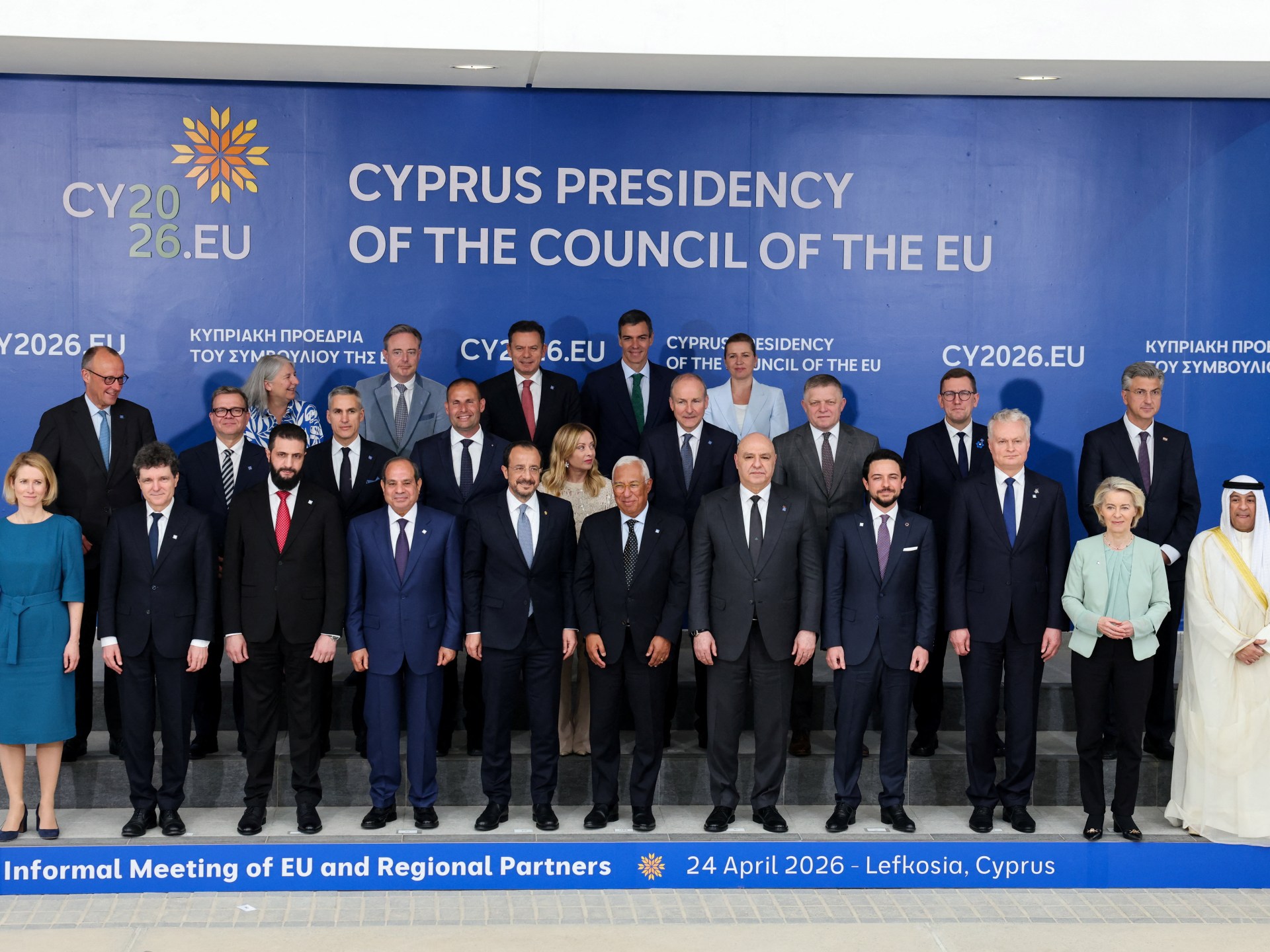

The reported diplomatic engagement between European Union leaders and representatives from Egypt, Syria, Lebanon, and Jordan at the Cyprus summit signifies a critical recalibration of regional alliances in the wake of heightened geopolitical instability. For the MENA financial markets, this convergence underscores a strategic pivot towards European capital flows as a counterbalance to volatile US-Israeli military actions, directly impacting sovereign wealth fund allocation and long-term investment horizons. This shift necessitates a comprehensive reassessment of risk exposure for institutional investors across the region, particularly concerning infrastructure projects dependent on stable political partnerships.
The implications for sovereign capital and venture capital ecosystems are profound, as the uncertainty generated by the conflict disrupts established capital-raising mechanisms and exit strategies. Regional sovereign funds are likely to prioritize liquidity preservation and short-to-medium term yield generation over aggressive long-term venture commitments, constraining the growth trajectory of nascent tech sectors. Consequently, venture capitalists operating within the MENA landscape will face heightened scrutiny regarding portfolio resilience, potentially redirecting funds towards defensive sectors and digital infrastructure capable of withstanding prolonged periods of diplomatic friction.
Regionally, the infrastructure development agenda faces significant headwinds, as the diversion of financial resources towards geopolitical stabilization efforts delays critical public-private partnerships (PPPs) in energy and transport. The MENA region’s ambition to position itself as a global logistics and data hub is contingent upon securing transparent and substantial sovereign investment, which is now under pressure. Financial institutions must therefore recalibrate their risk models to account for this new normal, ensuring that project financing frameworks incorporate geopolitical risk premiums and that infrastructure bonds reflect the altered credit dynamics of the post-conflict environment.