Arabia Tomorrow

Live News

Arabia TomorrowBlogRegional NewsU.S. Envoys Head to Pakistan, Sparking Prospects for Dialogue with Iran’s Araghchi Amid Ongoing US‑Israel Tensions

U.S. Envoys Head to Pakistan, Sparking Prospects for Dialogue with Iran’s Araghchi Amid Ongoing US‑Israel Tensions

Despite Recent Diplomatic Engagements, Future of Iran-US Talks Remains Uncertain Amid Regional Tensions and Sanctions

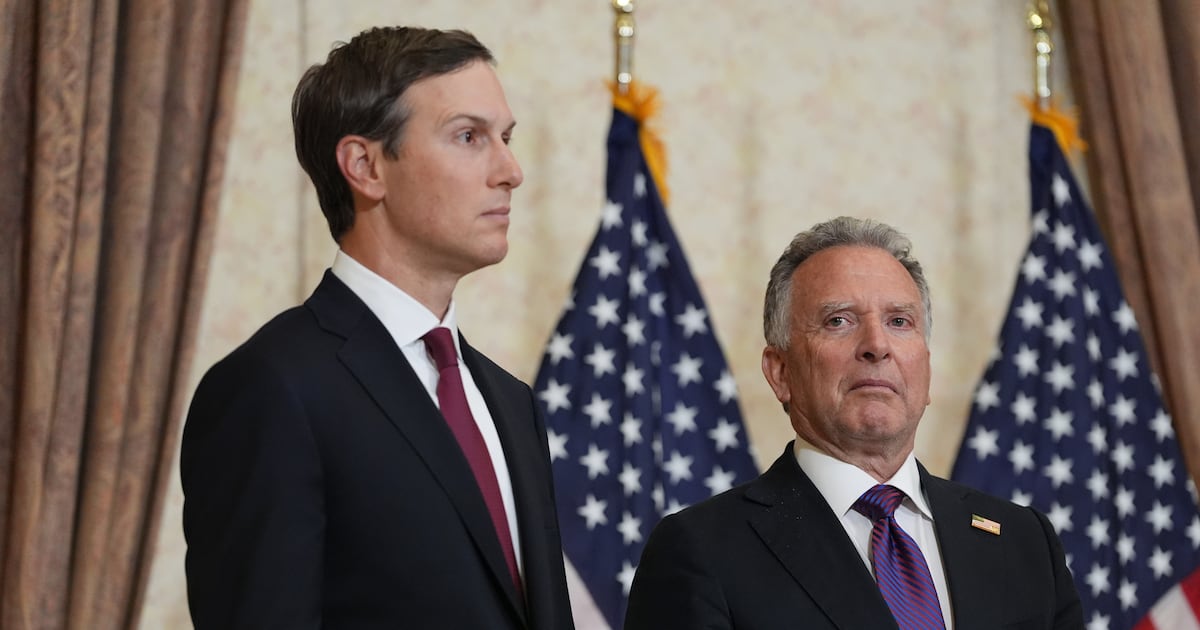
The recent diplomatic visits by Iran’s foreign minister Abbas Araghchi to Islamabad, and the U.S.’s dispatch of envoys Steve Witkoff and Jared Kushner to Pakistan mark a potential shift in the trajectory of U.S.-Iranian negotiations. Amidst a temporary ceasefire and heightened tensions over maritime security, these engagements ostensibly aim to initiate a new chapter in the winding dialogue, which has been fraught with challenges in the absence of a consensus on the status of Iran’s nuclear program.

Regional Implications and Infrastructure Risks

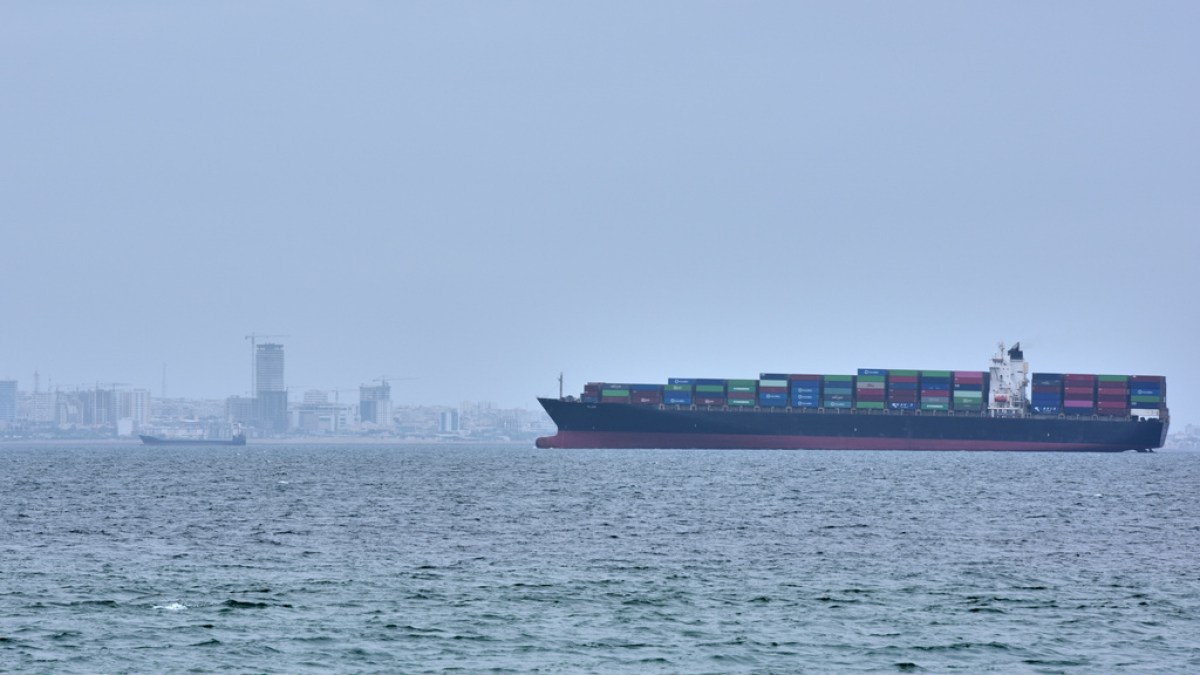
The visits underscore the region’s strategic significance, particularly concerning the vitally important Strait of Hormuz. As the world’s leading conduit for oil transit, its control remains a contentious issue. Iran’s continued blockade of the strait—a maneuver Iran claims is a response to a U.S. naval presence—has far-reaching implications for energy markets and regional stability. Moreover, the imposition of additional sanctions, notably the freeze of $344m in cryptocurrency assets by the U.S., further complicates the regional economic landscape, potentially impacting investment flows and regional infrastructure development.

Financial Impact and Sensitive Capital Allocation

The geopolitical tension heightens the sensitivity of financial operations across the Middle East and North Africa (MENA) region. With governments and private sectors increasingly cautious, there exists a surge in the bottlenecks of financial transactions, especially those involving Iran. This necessitates an evaluation of the role and reach of sovereign and venture capital investments in the region, as both traditional and non-traditional financing options face increased scrutiny. The ability of MENA countries to secure capital for development projects becomes contingent upon the broader stability of international relations, with sovereign wealth funds and venture capital firms being particularly cautious in their allocations.

Towards New Alliances and Investment Opportunities

In this milieu, the absence of a direct U.S.-Iranian negotiation can prompt countries in the region to pursue alternative diplomatic alignments to safeguard their interests, including better integration into the Western-led financial architecture. For instance, financial and technology firms may seek enhanced operations within the global value chain in non-compliant and sanctioned markets, thereby uncovering new investment opportunities that were previously sidelined due to sanctions. Notably, the Middle Eastern and North African region can leverage such complexities to enhance its position as a hub for innovation, technology, and alternative financial services, thus driving economic growth and infrastructure development amidst the recalibration of regional financial strategies.

Furthermore, the implications of talks between Iran and the U.S. serve as a reminder of the interconnectedness of geopolitics and the economies within the MENA region. The region continues to navigate the delicate balance of aligning with global financial norms while ensuring internal economic stability and growth. The resilience of local markets and the adaptability of financial institutions to both geopolitical upheaval and economic volatility will be critical determinants of regional economic fortunes in the years to come.


Tags:
Share:

Leave a Comment

Your email address will not be published. Required fields are marked *

Related Post