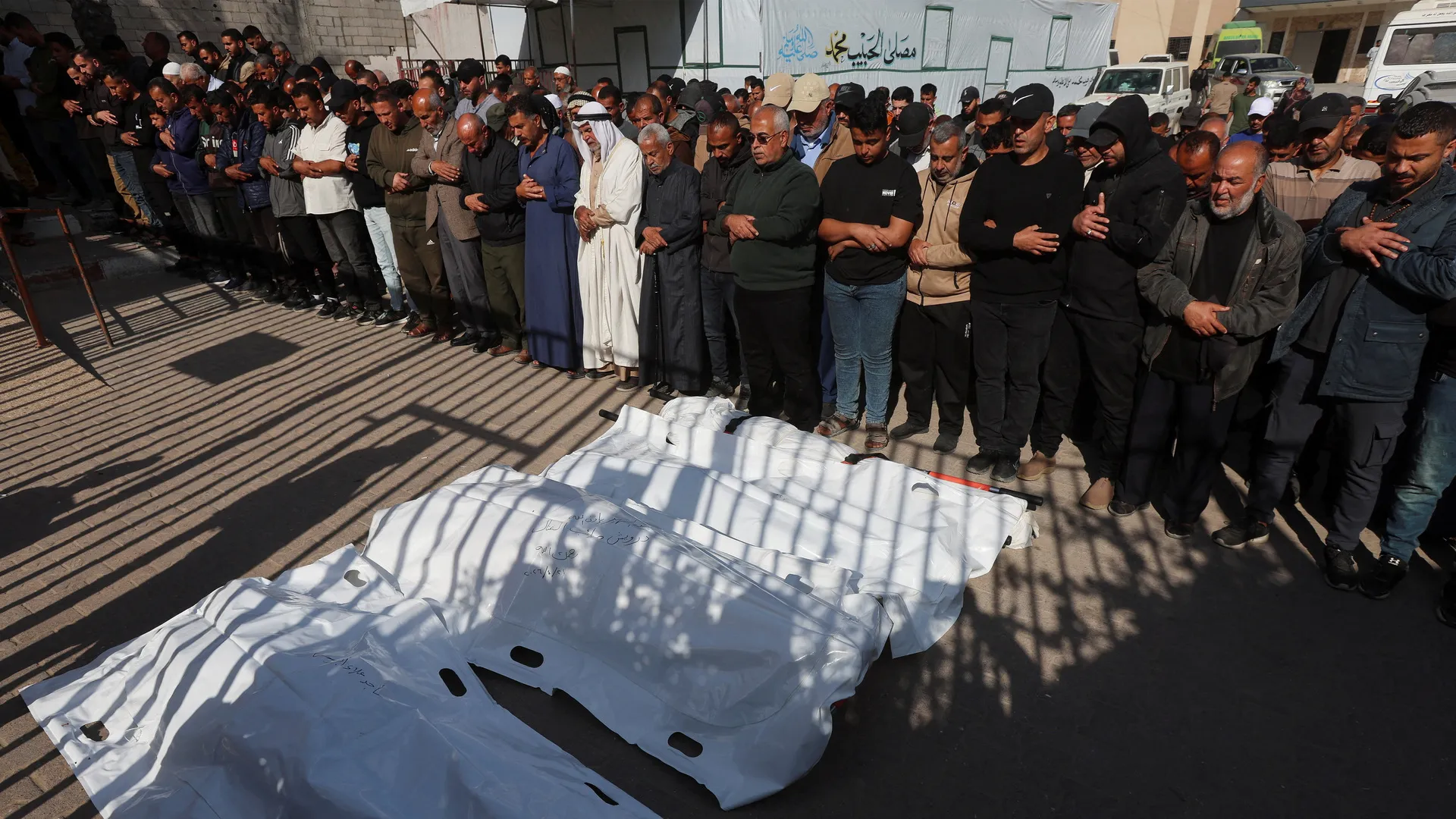

Persistent violence in Gaza undermines economic stability across the Middle East-North Africa (MENA) region, fracturing sovereign confidence and stifling venture capital momentum. The Israeli military’s escalation, despite a nominal ceasefire, has triggered a humanitarian crisis with 1,000+ deaths in six months, deepening regional uncertainty. For MENA sovereigns, the fallout extends beyond borders: Arab states face mounting pressure to recalibrate foreign policy amid U.S. and EU sanctions, while Gulf oil exporters risk currency volatility as Western investors recalibrate risk exposure. Crucially, the conflict’s spillover—from strained aid delivery to disrupted trade routes—undermines efforts to modernize infrastructure, leaving energy corridors and port logistics in limbo.
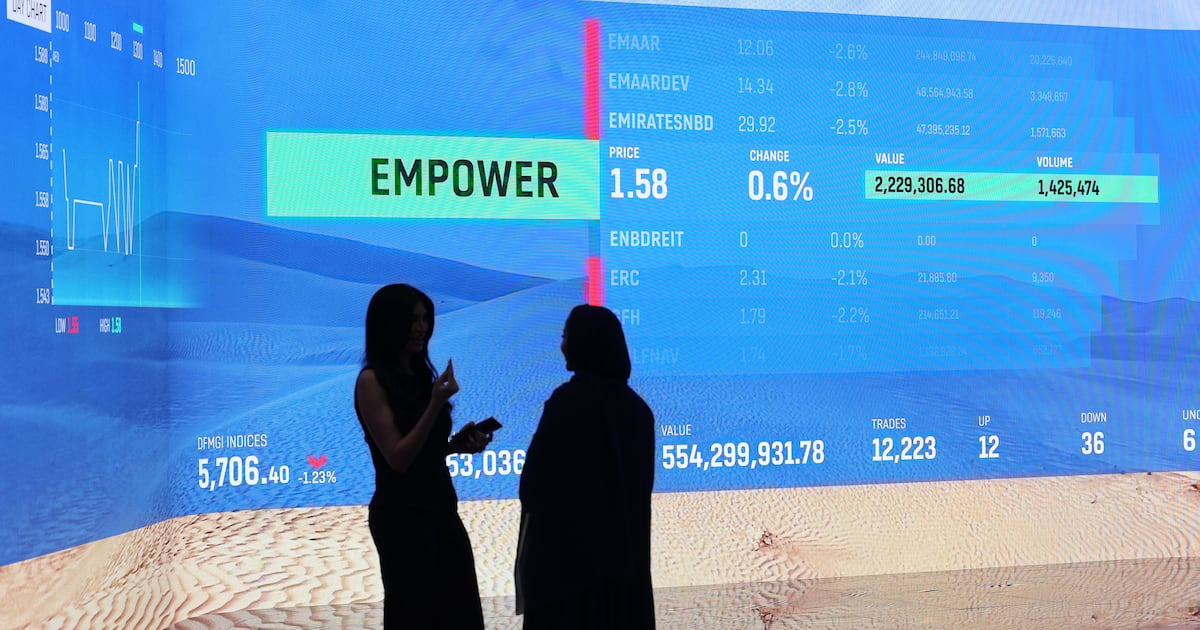
Sovereign capital markets are grappling with dual shocks: direct military expenditures diverting budgets and reputational risks deterring foreign direct investment (FDI). Tunisia’s sovereign spread has widened to 8.2% amid dovish central bank signals, while Egypt’s IMF loan conditions have hardened as capital flight accelerates. Even Gulf Cooperation Council (GCC) programs, designed to stabilize the region, face scrutiny as oil revenues stagnate. Meanwhile, sovereign wealth funds—such as Saudi Arabia’s PIF—are recalibrating portfolios, prioritizing regional diversification over conflict-prone sectors. However, fragmentation risks emerge, with parity clauses in investment guarantees clashing over human rights narratives, necessitating costly treaty reviews.
Venture capital (VC) in MENA faces a parallel erosion of trust. Startups in Amman, Cairo, and Dubai—once buoyed by Gulf capital—now contend with talent drain and operational paralysis. Qatari-backed fintech ventures, for instance, report a 40% workforce attrition rate as professionals flee escalating regional tensions. Similarly, Israeli fintech dominates regional exits, yet its political ties complicate foreign acquirers’ valuations. Beyond direct investment, the conflict chills cross-border collaboration, with co-working spaces shuttered and APIs (application program interfaces) restricted in contested territories. Amid this, GCC and Egyptian incubators are pivoting toward defense-tech incubators, betting on sovereign-backed arms procurement over civilian innovation.
Infrastructure decay compounds long-term stagnation. Gaza’s electricity grid, already at 60% capacity pre-conflict, now faces 20% daily outages, crippling construction projects vital for Palestinian rebuilding. Regional rail networks, such as Egypt’s stalled Grand-Med project, are paralyzed by geopolitical hedging, leaving trade-dependent economies reliant on costly air freight. Meanwhile, telecom providers in occupied areas report 15% service degradation due to damaged fiber-optic cables, stifling digital transformation. With GCC sovereigns diverting 12% of infrastructure budgets to security, the region’s $1.7 trillion 2030 development targets hang in the balance—highlighting the existential link between violence and economic progress.