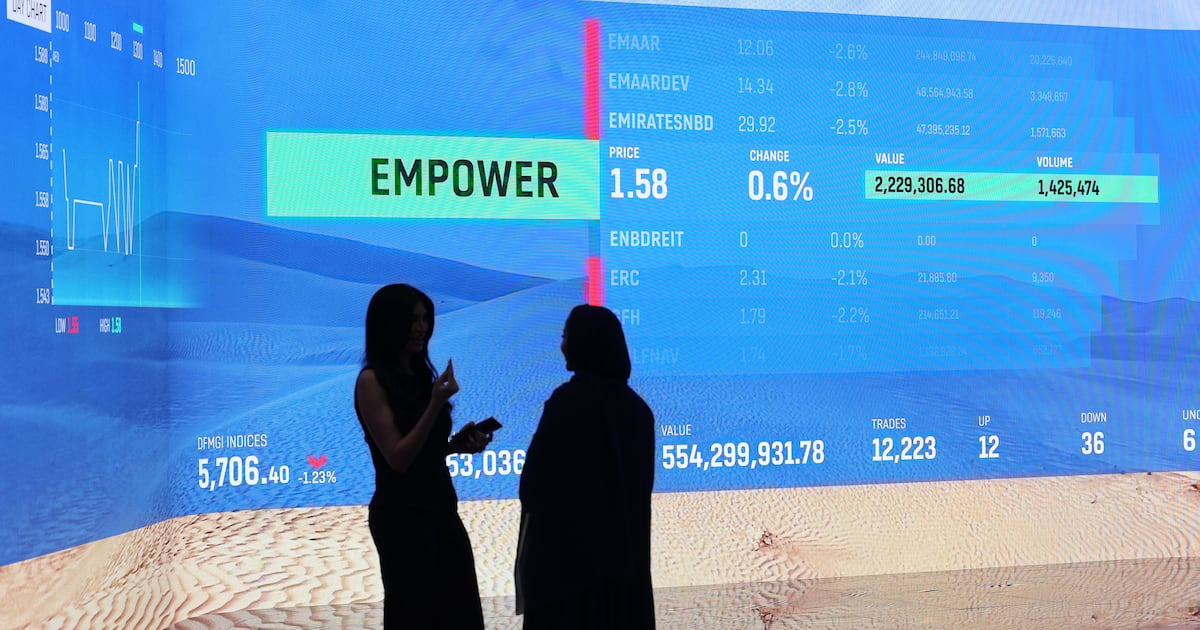

Investment dynamics inthe UAE underscore a critical misalignment between jurisdictional policy incentives and structural realities of capital deployment, with profound implications for sovereign wealth management and regional economic resilience. While zero personal income tax and high capital appreciation in property create a facade of low-cost investing, the reality is a pervasive erosion of net returns through compounding frictions. Sovereign capital, broadly allocated toward property and diversified portfolios with inadequate risk oversight, risks entrenching regional financial systems in cyclical vulnerabilities. For instance, state-backed entities channeling sovereign wealth into illiquid assets like off-plan developments or single-country equity exposure amplify macro-level liquidity asset maps, constraining policymakers’ ability to redirect capital toward strategic infrastructure or technology sectors. This behavior not only contradicts global best practices for sovereign risk mitigation but also diminishes the UAE’s aspiration to transition from hydrocarbon dependence through balanced, productive growth. The misallocation of such significant capital reserves perpetuates underperformance relative to peer economies, undermining long-term fiscal credibility amid a volatile global environment.
The venture capital ecosystem within the UAE and broader MENA region is uniquely poised to capitalize on digitization and infrastructure modernization trends, yet systemic biases in local investor behavior threaten its scalability. A large proportion of private capital remains trapped in real estate monocultures, starving startups and tech firms of Much-Needed funding despite robust policy frameworks like AIM and Startup visas. This capital flight is symptomatic of a cultural predisposition toward perceived safety over innovation, exacerbated by opaque fee structures in passive investment vehicles. Regional infrastructure ambitions—particularly in transportation, digital connectivity, and sustainable energy—depend on venture-scale capital mobilized efficiently, yet recurring management fees, currency conversion drag, and a lack of institutional-grade due diligence platforms stifle returns. Consequently, the region’s VC-Total Addressable Market remains underserved, limiting job creation, technological spillover, and the self-reinforcing cycle of entrepreneurship that defines successful ecosystems like Israel or Singapore. Addressing this requires institutional education on portfolio diversification alongside regulatory incentives to deprioritize real estate over equity-oriented investments.
At the heart of these challenges lies a critical deficit in financial infrastructure tailored to sophisticated investor needs across the MENA spectrum. While property markets thrive on opaque transaction mechanics and fee arbitrage, parallel systems for managing sovereign, venture, or institutional capital are underdeveloped. Cross-border tax complexities, opaque custody solutions, and fragmented regulatory communication hinder both domestic and foreign capital from deploying efficiently at scale. For example, multinational corporations or sovereign funds pursuing strategic MENA investments often face disparities in tax treatment or liquidity between jurisdictions, reaching suboptimal outcomes. Technological advancements—such as blockchain-based compliance tools or AI-driven risk analytics—could mitigate some frictions but require concerted investment in digital public infrastructure. Regional stability, particularly in an era of geopolitical fragmentation, hinges on financial systems that facilitate transparent, low-friction capital movement. Without such improvements, the UAE and neighboring states risk entrenching a fragmented capital ecosystem that mirrors, rather than complements, global standards, thereby curtailing both sovereign and private-sector potential.