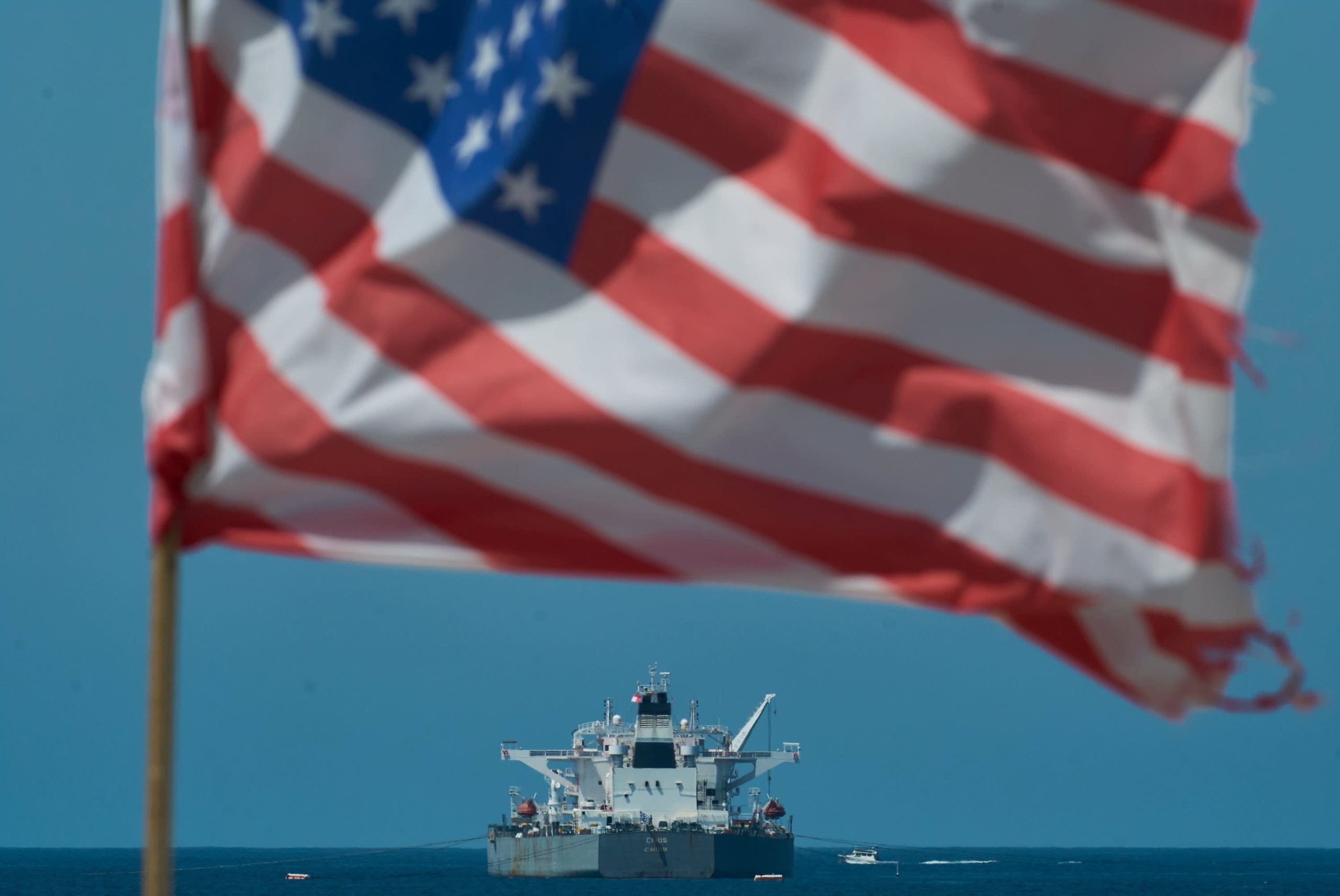

Tracking of oil‑and‑gas tankers via AIS data has revealed a pronounced shift in maritime traffic patterns across the Middle East and North Africa, with vessels over 50,000 DWT now favouring regional hubs such as Ras Al‑Khair, Jebel Ali and the newly expanded deep‑water terminals at Sohar. The concentration of high‑capacity crude, product and LNG carriers signals accelerating demand for state‑backed storage and transhipment infrastructure, prompting sovereign wealth funds in Saudi Arabia, the UAE and Qatar to allocate an estimated $12 billion over the next 18 months toward terminal upgrades, dedicated pipelines and on‑shore regasification facilities.
This logistical realignment dovetails with a surge in venture‑capital activity targeting the downstream logistics ecosystem. Early‑stage funds backed by the Public Investment Fund and the Mubadala Investment Company have collectively pledged over $850 million to startups developing digital twin platforms for vessel tracking, AI‑driven cargo optimisation and blockchain‑based documentation. Such technology is poised to reduce turnaround times by up to 30 %, translating into measurable cost efficiencies for oil‑exporting sovereigns and enhancing the competitive positioning of regional ports against European alternatives.
From a macro‑economic perspective, the heightened tanker presence underscores a broader re‑routing of global fossil‑fuel flows away from traditional chokepoints in the Strait of Hormuz toward Red Sea and Gulf of Aden corridors. This redistribution is prompting governments to reassess maritime security budgets and to invest in integrated coastal surveillance networks, a sector projected to attract $2.3 billion in combined public‑private financing by 2028. The resulting infrastructure upgrades are expected to bolster export capacity, safeguard revenue streams for oil‑dependent budgets and provide a platform for diversification into petro‑chemical and green‑hydrogen projects.
In sum, the latest AIS‑derived traffic snapshot is more than a maritime curiosity; it is a leading indicator of capital allocation trends, venture‑driven innovation and strategic infrastructure development that will shape the MENA energy landscape for the decade ahead.