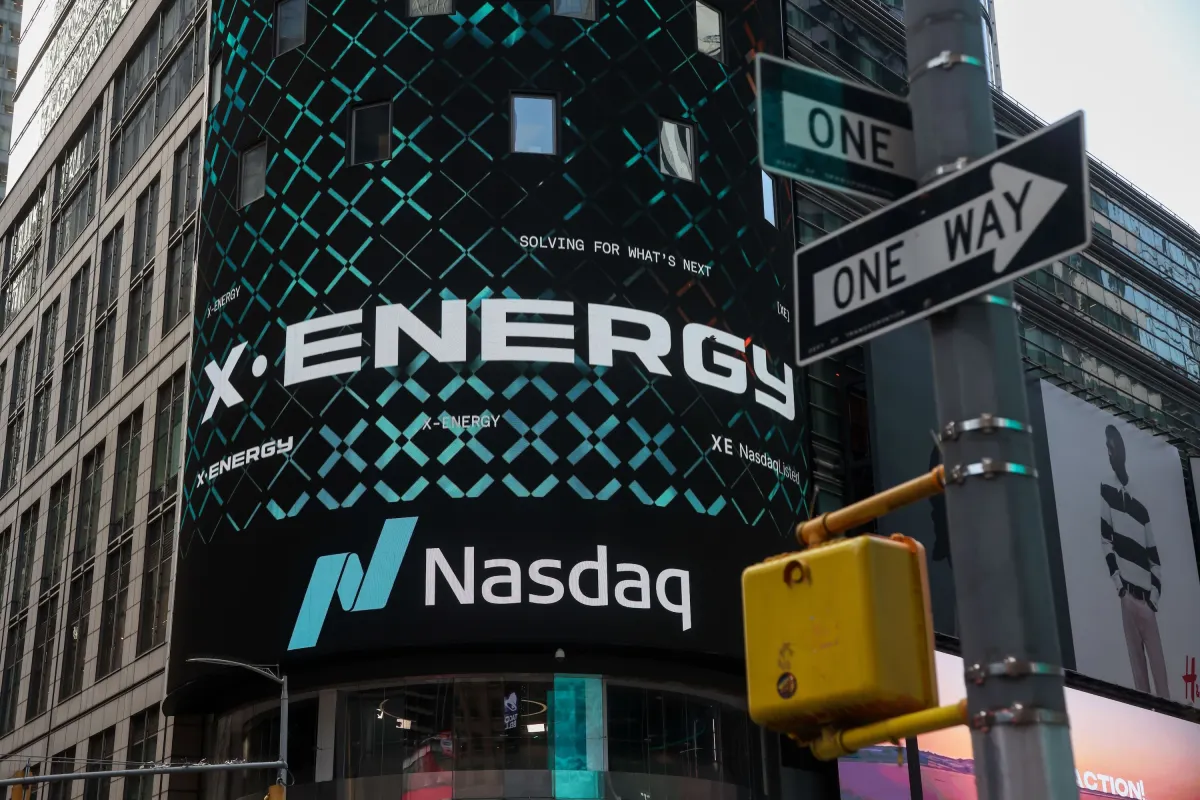

X‑Energy’s debut on the Nasdaq underscores a growing appetite for high‑yield, low‑carbon energy solutions, a trend that will reverberate across the MENA region’s sovereign capital markets and venture ecosystems. The company opened at $30.11, ultimately closing at $29.20, lifting its valuation to $11.5 billion and reflecting a 27 % premium over its $23 per‑share IPO price. Such enthusiasm for a nuclear technology startup—once considered a niche, high‑regulatory risk—signals a watershed moment for the region’s energy strategy, where balancing the dual imperatives of industrial expansion and climate commitments is increasingly pressing.
For MENA sovereign wealth funds, the X‑Energy model presents a compelling case study. By deploying modular, 80‑MW reactors that are an order of magnitude smaller than conventional plants, the startup is poised to deliver the reliability and base‑load consistency that data‑center operators increasingly demand. This is especially relevant for Gulf states that host massive cloud‑computing hubs; the ability to power a single campus with a fleet of reactors can obviate the need for intermittent renewable inputs or costly grid interconnections. As sovereign entities grapple with diversifying revenue streams and securing steady energy inflows for high‑tech infrastructure, X‑Energy’s model offers a scalable, low‑emission alternative that aligns with Vision 2030‑type agendas.
From a venture‑capital perspective, the surge in capital inflows toward nuclear startups has accelerated the region’s entrepreneurial momentum. The technology’s proven market demand—highlighted by commitments from Amazon, Dow, and others—provides a tangible exit pathway that venture funds and family offices can now monetize. The high upfront costs and regulatory hurdles traditionally associated with nuclear projects are mitigated through modularity and economies of scale, thereby lowering the capital structure risk profile. This environment encourages increased private‑sector participation, banking on a gradual shift from fossil‑fuel concentration to a diversified, resilient energy mix.
Infrastructure implications are equally profound. Should MENA governments import or license X‑Energy’s reactors, they would inherit a turnkey solution that facilitates faster deployment of new gigawatt‑scale capacity while sidestepping the lengthy sit‑and‑build timelines of conventional reactors. This in turn will dovetail with regional plans to enhance digital infrastructure, support next‑generation telecommunications networks, and attract foreign direct investment in high‑value‑added tech sectors. In turn, sovereign wealth funds can leverage the resulting energy security to attract further global investment, while venture capitalists tap into a burgeoning market of enterprise‑grade power solutions—underscoring a synergistic alignment between sovereign strategy, private capital, and infrastructural ambition in the MENA region.